
Punk Roots: How the DIY Ethos Shaped Modern Tattoo Culture
7 days ago
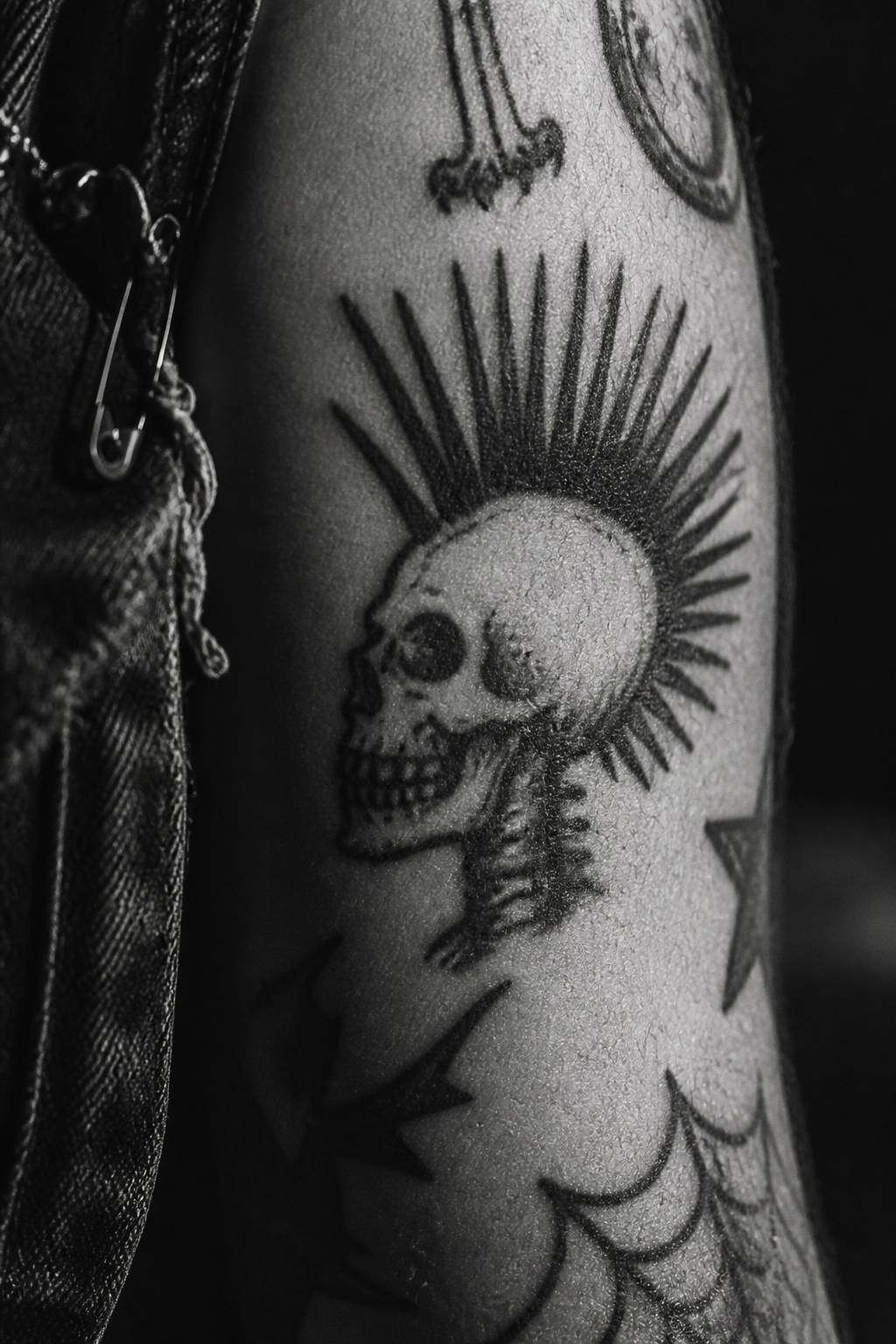
Long before high-end boutiques and celebrity artists, the foundations of modern tattoo culture were being laid in the sweaty, basement-level venues of the punk rock movement. In the 1970s and 80s, getting inked wasn't about aesthetics; it was a loud, visual rejection of a polished society that preferred to keep art behind frames and bodies under suits.
This era prioritized a DIY ethos that democratized the needle. Young punks, often operating out of apartments or backstage rooms, traded art that mirrored the jagged energy of their music. These were the years of crude linework and bold, black slogans, where the act of tattooing itself was a performance of anarchy and a badge of belonging to an underground tribe.
As the scene evolved, it brought a new sense of community to the industry. Studios began to function less like clinical environments and more like social hubs. This shift was instrumental in breaking down the barriers of who could participate, moving the craft away from strictly military or maritime circles and into the hands of urban creatives and social outcasts.
Today, we see the remnants of this rebellion in every 'ignorant style' piece and traditional flash sheet. The raw energy of the punk scene taught us that ink doesn't have to be perfect to be meaningful. It proved that a tattoo is, first and foremost, a statement of identity and a physical record of the subcultures we inhabit.
Understanding these roots allows us to appreciate why modern tattoo culture remains so fiercely protective of its independent spirit. While the tools have become more sophisticated and the health standards higher, the core motivation remains the same: a desire to stand out, to shock, and to wear one's history on the surface for the world to see.