
Punk Roots: How D.I.Y. Ethics Forged Modern Tattoo culture
8 days ago
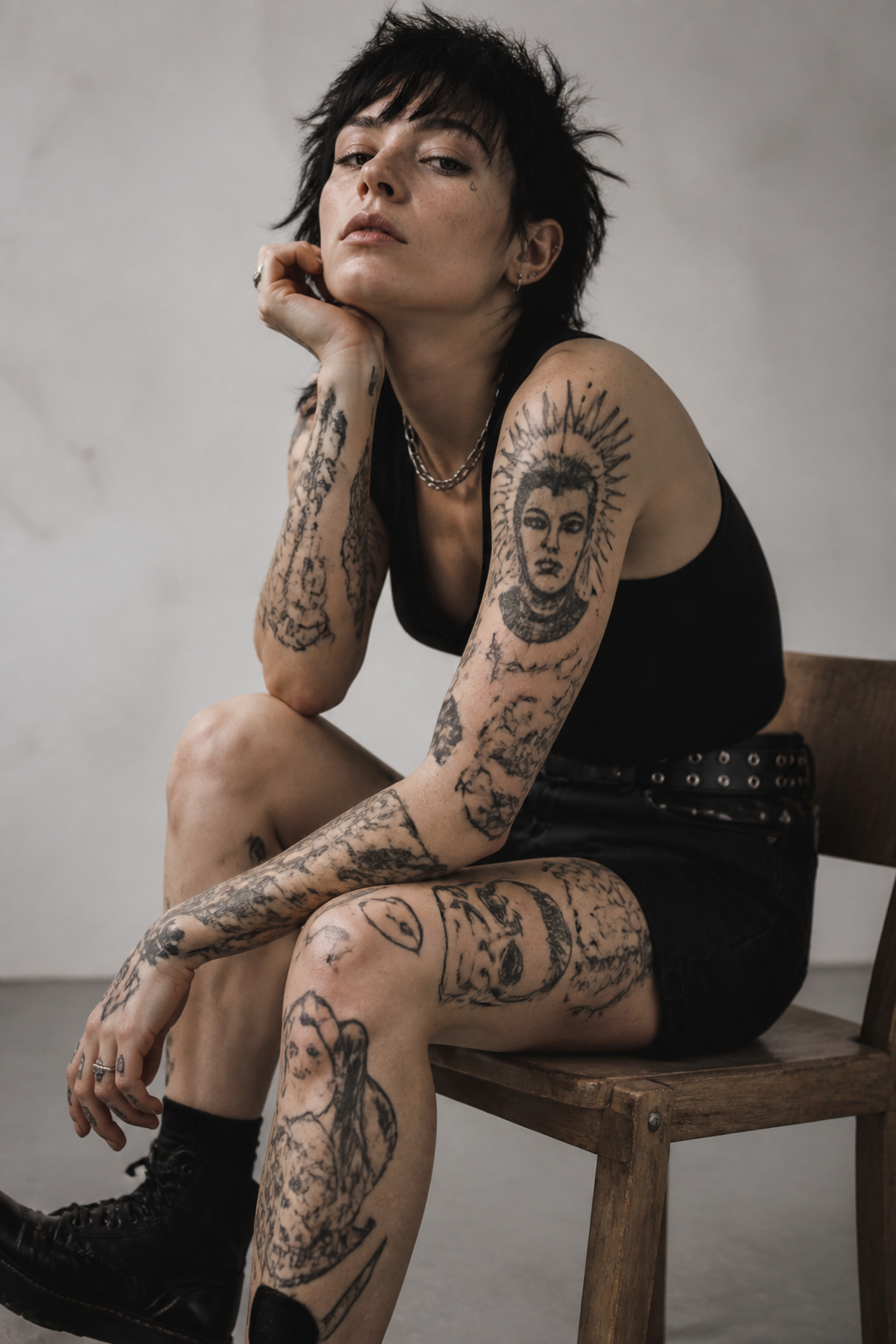
Long before high-end studios and luxury branding, the grit of the 1970s and 80s punk scene provided a raw foundation for contemporary tattoo culture. In dingy basements and backstage rooms, musicians and fans used ink as a permanent badge of rebellion. This era moved the needle away from strictly military or outlaw imagery toward a personalized, chaotic aesthetic that prioritized message over technical perfection.
The D.I.Y. ethos of the punk movement meant that anyone with a needle and a vision could mark their history. This democratized the art form, shifting the focus from exclusive guilds to community-driven expression. Bands like Black Flag and the Misfits turned their logos into iconic stamps of belonging, proving that a simple black-ink design could hold more power than a complex masterpiece.
As these subcultures merged with the mainstream, the scrappy nature of early punk ink evolved into the professional 'Ignorant Style' and bold traditionalism we see today. The influence is evident in the heavy saturation and high-contrast blackwork that remains a staple in urban shops worldwide. It is a reminder that the heart of the craft is often found in the loudest, most unapologetic corners of society.
Today, modern studios still draw heavy inspiration from this era of defiance. While the equipment has become safer and the techniques more refined, the spirit of the underground persists. Tattoo culture continues to thrive as a medium for those who wish to wear their dissent on their sleeves, literally and figuratively.
Ultimately, the connection between music and skin is unbreakable. Whether it is a hand-poked lyric or a professional portrait of a genre icon, the legacy of the punk scene ensures that the art remains a tool for identity. The scene proved that the most meaningful marks are those that represent a refusal to blend in with the crowd.