
Punk Rock Paradox: How the D.I.Y. Ethos Redefined Tattoo culture
1 day ago
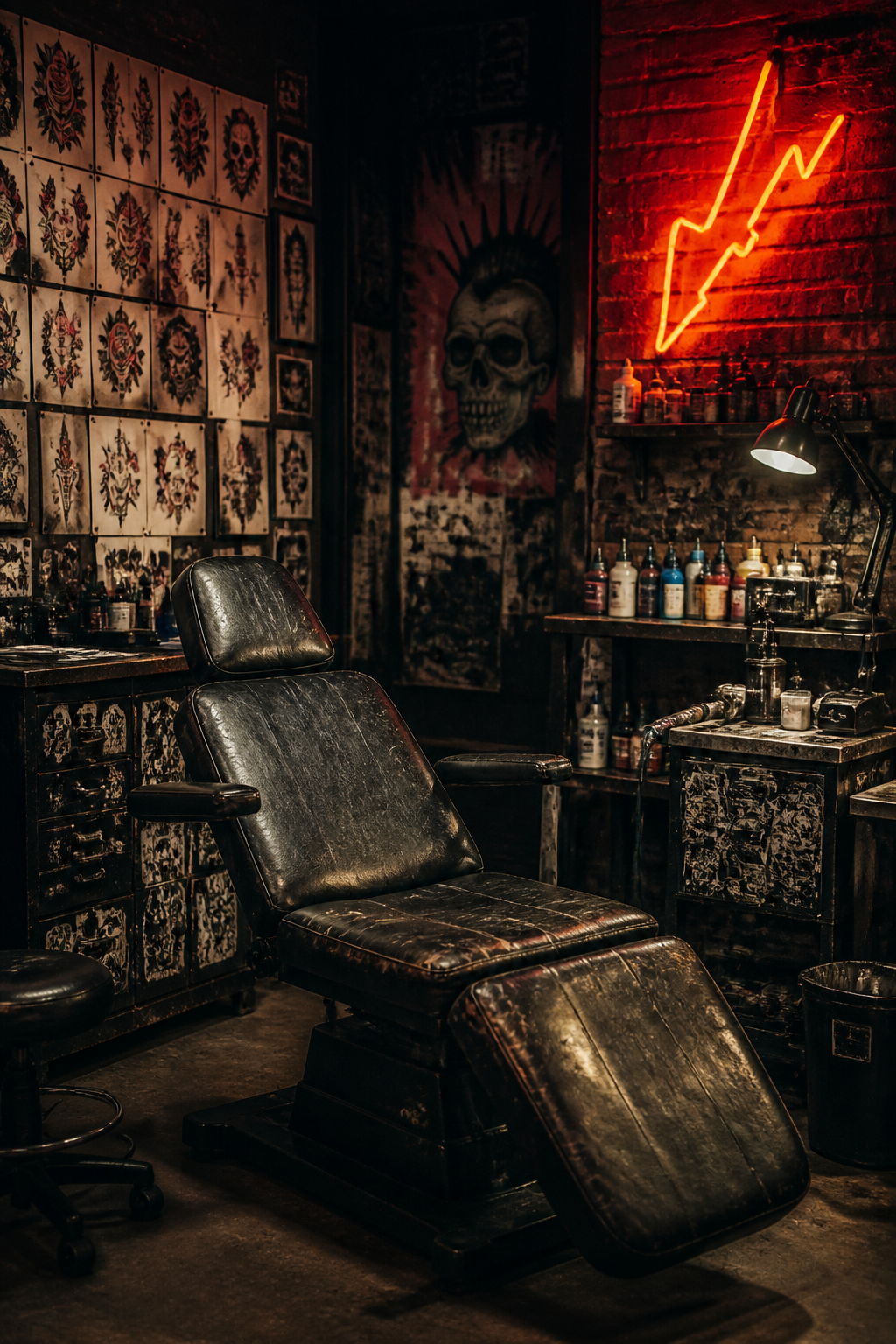
Before the era of sleek boutiques and high-end galleries, tattoo culture found a radical home in the humid basements of the 1970s punk scene. This wasn't about professional refinement; it was about visual rebellion. Musicians and fans alike used ink as a permanent middle finger to mainstream societal expectations, favoring raw lines over traditional polish.
The D.I.Y. ethics of the movement transformed how people approached body art. When professional shops were scarce or unwelcoming, the punk community turned to home-made rigs and experimental techniques. This era proved that a tattoo didn't need to be perfect to be meaningful, shifting the focus from technical mastery to raw, emotional storytelling.
As these subcultures merged, the visual language of the scene began to dominate the streets. Safety pins, bold lettering, and jagged graphics became common motifs. This period marked a significant pivot in tattoo culture, as the art form moved away from military and maritime traditions toward a more individualized, aggressive form of self-expression.
Today, the influence of those early mosh pits remains visible in the 'ignorant style' and abstract blackwork movements. Modern artists often pay homage to these roots by maintaining a hand-drawn, gritty aesthetic that rejects the sanitization of commercial art. It is a reminder that the scene thrives best when it stays a little bit dangerous.
Ultimately, the punk influence ensured that tattoo culture would never be one-dimensional. It introduced a sense of urgency and political defiance that still resonates in studios across the globe. By prioritizing identity over industry standards, the punk scene laid the groundwork for the diverse and unapologetic world of ink we celebrate now.