
Punk Rock Grit: How DIY Ethics Built Modern Tattoo Culture
28 days ago
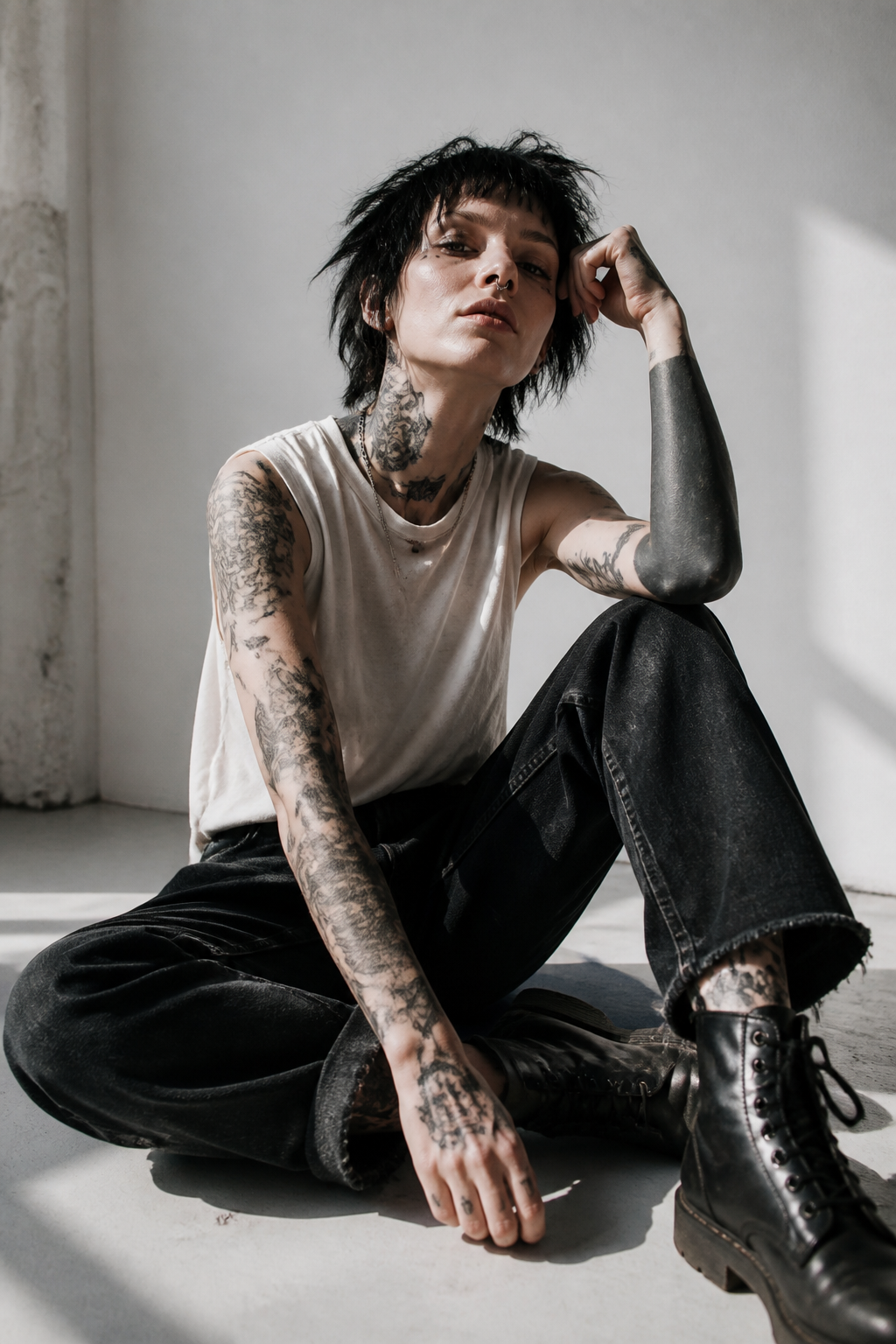
Long before high-end studios became the norm, the basement shows and dive bars of the 1970s punk scene acted as a crucible for a new era of body art. This era stripped away the formalities of the industry, replacing them with a raw, do-it-yourself spirit that prioritized message over polish. In those cramped spaces, ink was a badge of defiance against a society that demanded conformity.
This specific branch of tattoo culture was defined by speed and shared ideology. Bold black outlines, political slogans, and band logos became the visual language of the underground. It wasn't just about the art; it was about identifying your tribe. Getting a tattoo during a tour or in a friend’s kitchen was a rite of passage that separated the weekend fans from the lifers.
As the music evolved, so did the technical skill within the scene. Musicians and artists who spent their youth in the mosh pit eventually opened their own shops, bringing the inclusive, egalitarian ethos of punk into the professional realm. They challenged the gatekeeping of traditional shops, opening the doors for diverse voices and experimental styles that previously had no home.
Today, we see the remnants of this movement in the popular 'ignorant style' and the rise of guest spots that function like touring bands. The legacy of punk ensures that the scene remains focused on community rather than just commercialism. It reminds us that the best art often comes from those who aren't afraid to break the rules.
Modern tattoo culture owes its vibrant, rebellious heart to these subcultural roots. While the equipment has become more sophisticated, the desire to wear one’s convictions on their skin remains unchanged. The grit of the underground continues to provide a necessary friction that keeps the industry from becoming too stagnant or corporate.
Whether it is a small band logo or a full sleeve of chaotic collage work, the punk influence is unmistakable. It is a reminder that tattoos are most powerful when they represent a moment of genuine connection to a scene. As long as there are outsiders looking for a way to belong, the DIY spirit will continue to lead the way.