
Punk Rock and the Preservation of Grit in Tattoo Culture
23 days ago
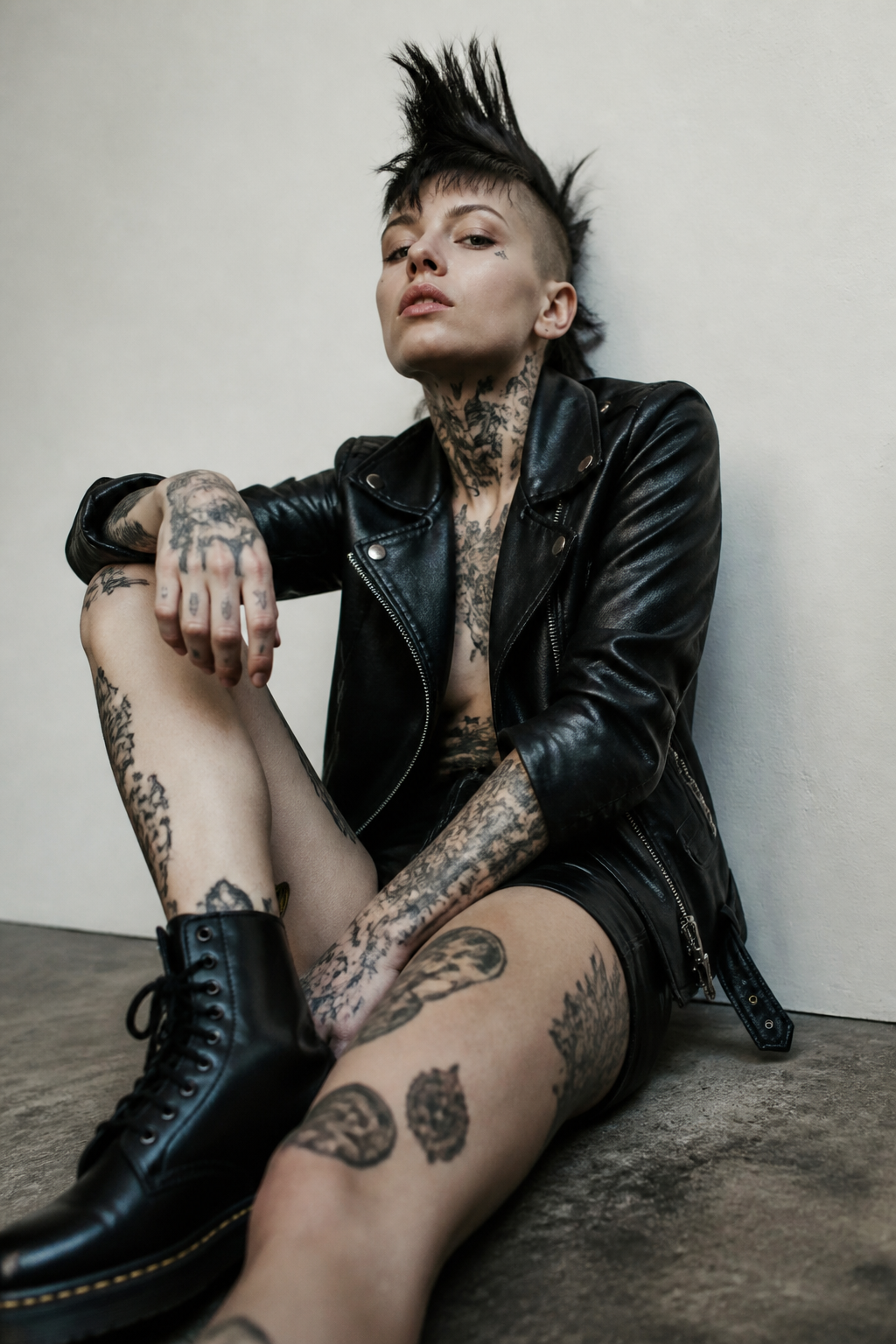
Long before studios looked like luxury boutiques, the raw essence of tattoo culture was forged in the basement shows and crowded dive bars of the 1970s and 80s. Punk rock didn't just change the music; it demanded a visual language that rejected mainstream polish. Hand-poked designs and jagged blackwork became the uniform of a generation that refused to blend in.
This era prioritized the message over technical perfection. While traditional shops were often intimidating spaces, the punk scene fostered a DIY ethos that democratized the needle. It was about reclaiming the body as a canvas for political dissent and personal history, creating a rough-around-the-edges aesthetic that still influences modern street shops today.
In these subcultural spaces, the relationship between the artist and the client shifted. It became a collaborative act of rebellion rather than a simple transaction. The imagery—skulls, safety pins, and bold typography—served as a secret handshake among outsiders, signaling membership in a global community that valued authenticity above all else.
Today, that rebellious spirit remains the heartbeat of many independent collectives. Even as the industry grows more corporate, these artists maintain the underground roots by prioritizing accessibility and inclusivity. They ensure that the grit of the original scene isn't lost to the shine of social media trends.
Ultimately, the intersection of music and ink reminds us that tattoo culture is at its best when it remains a bit disruptive. Whether it is a messy band logo or a defiant statement piece, the influence of the punk movement ensures that getting tattooed is still an act of profound personal freedom.