Primal Strength: The History and Wolf Tattoo Meaning
28 days ago
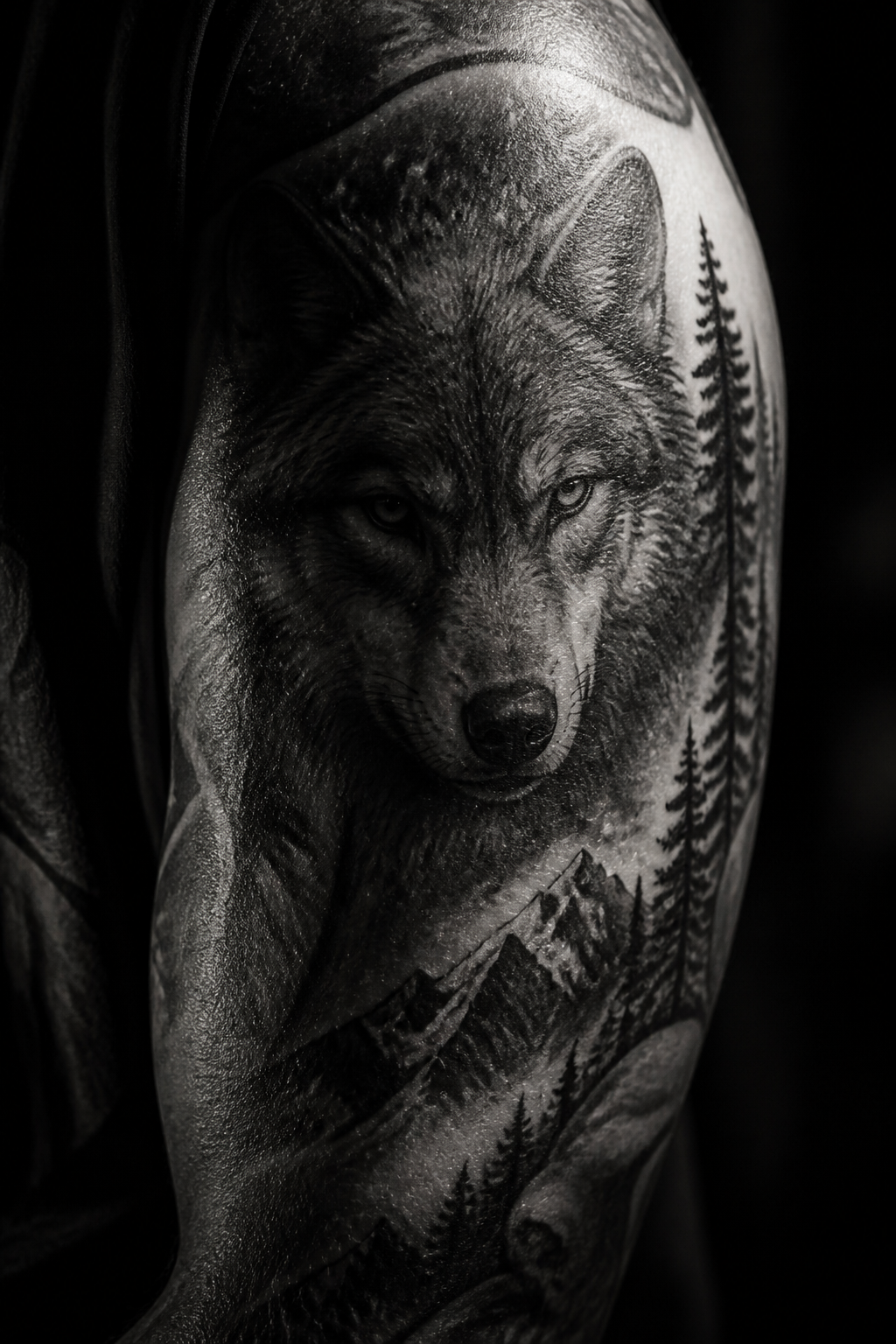
The wolf has long held a dominant position in the world of skin art, acting as a bridge between wild instinct and human social structures. Historically, various cultures viewed the wolf as a fierce protector of the pack, representing a unique balance between individual prowess and collective survival. In modern ink, this duality remains a primary driver for those choosing the design.
Historically, the wolf tattoo meaning was often tied to the idea of the 'lone wolf,' a figure that survives against all odds through sheer grit and self-reliance. For many, this motif serves as a badge of independence, marking a period of personal growth or a successful journey through solitude. It is a visual representation of internal fortitude that resonates with the modern rugged aesthetic.
However, the pack mentality provides a contrasting layer of symbolism. In contemporary tattoo culture, many wearers adopt the wolf to represent their devotion to family or a tight-knit circle of friends. The wolf’s known commitment to its mates and offspring makes it a perfect choice for those who value loyalty above all else, often rendered in bold traditional or hyper-realistic styles.
Stylistically, the imagery has shifted from simple silhouettes to intricate portraits that capture every strand of fur and the glint in the eye. Whether it is a howling wolf set against a forest backdrop or a geometric interpretation, the focus remains on the animal's intensity. Modern artists use these details to emphasize the wearer's connection to their own primal nature and raw emotions.
Beyond just looking sharp, the wolf serves as a reminder of one's place in the social hierarchy. It celebrates the leader, the protector, and the provider. By wearing this motif, individuals signal their readiness to defend their boundaries while honoring the instincts that keep them grounded in an increasingly digital and disconnected world.