
Primal Strength: The Evolution of the Wolf Tattoo Meaning
10 days ago
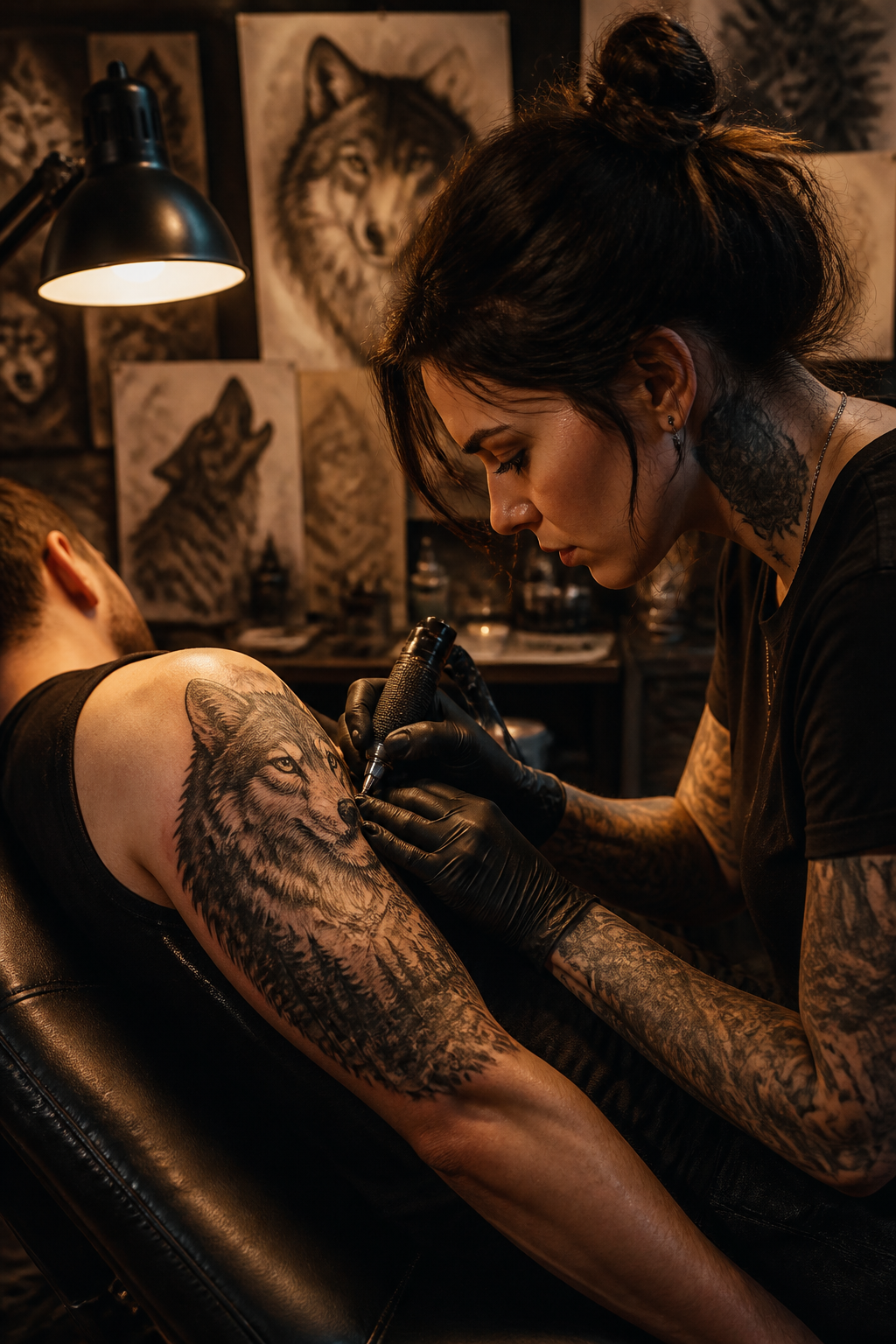
The wolf has long held a dominant position in the world of body art, representing a complex blend of ferocity and family. Historically, this motif was championed by indigenous cultures and warriors who viewed the animal as a cunning hunter and a protector of the pack. To wear this image was to claim the spirit of a survivor who thrives in the harshest wilderness.
In the realm of traditional tattooing, the wolf was often depicted with bared teeth, symbolizing a defensive stance against the world. This classic imagery focused on the 'lone wolf' narrative, appealing to those who walked a solitary path or lived by their own set of rules. It served as a visual warning that the wearer possessed a sharp, unwavering instinct.
Modern interpretations of the wolf tattoo meaning have shifted toward themes of community and deep-rooted loyalty. Many enthusiasts now choose to depict a wolf howling or in a serene state, emphasizing the connection to their 'pack'—be it family, friends, or a specific social tribe. It has become a popular tribute to those who provide strength and support in everyday life.
Artistic styles have also expanded how this predator is portrayed. While bold American traditional lines remain a staple, fine-line realism and geometric overlays are now common. These contemporary techniques allow wearers to balance the raw, animalistic power of the wolf with a more refined and sophisticated aesthetic that fits a modern lifestyle.
Whether it is a small silhouette on a wrist or a sprawling chest piece, the core message remains one of resilience. The wolf reminds us that while we are capable of standing alone, our greatest power often comes from the bonds we protect. It is a timeless choice for anyone looking to express their inner tenacity through ink.