
Precision Healing: The Definitive Routine for Tattoo aftercare
17 days ago
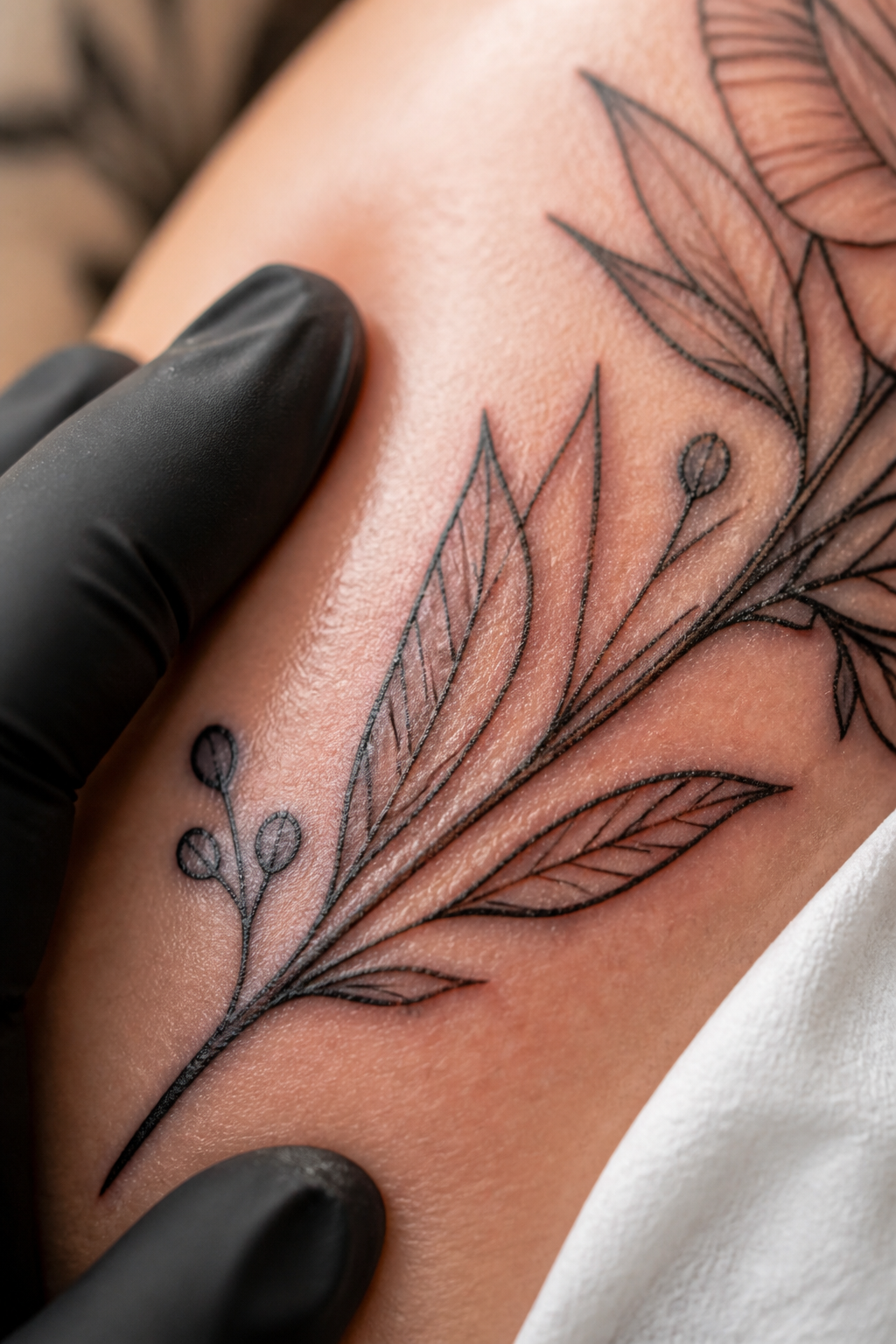
The first 48 hours are the most critical window for your new piece. Once you leave the studio, keep your artist's bandage on for the recommended time to shield the open skin from bacteria. When it is time to remove the wrap, wash the area gently using lukewarm water and a fragrance-free, antimicrobial soap. Use your clean hands rather than a washcloth to avoid unnecessary abrasion while removing excess ink and plasma.
After the initial cleaning, pat the skin dry with a fresh paper towel and let it air out. The golden rule of Tattoo aftercare is moderation; apply a very thin layer of specialized ointment or a gentle, unscented lotion. The skin needs to breathe to heal, so if the area looks shiny or greasy, you have likely applied too much product. Wipe away the excess to prevent clogged pores or suffocating the wound.
During the first two weeks, your lifestyle needs a few temporary adjustments. Avoid submerged water entirely—that means no swimming pools, hot tubs, or long baths, as these harbor bacteria and can lead to infection. You should also stay out of direct sunlight. UV rays are incredibly damaging to fresh pigments and can cause premature fading or painful blistering before the skin has even finished sealing.
As the healing timeline progresses, you will notice peeling and perhaps some intense itching. This is perfectly normal, but you must resist the urge to pick or scratch. Forcing the scabs to come off early can pull the ink right out of the dermis, leaving permanent gaps in the design. Continue moisturizing twice a day to keep the skin supple and minimize discomfort as the new layer of skin forms.
Knowing when to call your artist or a professional is just as important as the cleaning routine. While some redness and swelling are expected in the first few days, watch out for signs of trouble. If you notice spreading red streaks, experience a fever, or see thick yellow discharge, contact your studio immediately. They can help determine if the reaction is a normal part of your body's process or if you require medical intervention.
Once the peeling phase is over, usually around the three-week mark, your journey isn't quite finished. Long-term maintenance is what keeps a piece looking sharp for decades. Transition to a high-SPF sunscreen whenever the area is exposed to the sun to prevent the ink from spreading or lightening. Consistent hydration and skin health are the final secrets to ensuring your investment remains a masterpiece.