
Precision Healing: A Practical Guide to Tattoo aftercare
17 days ago
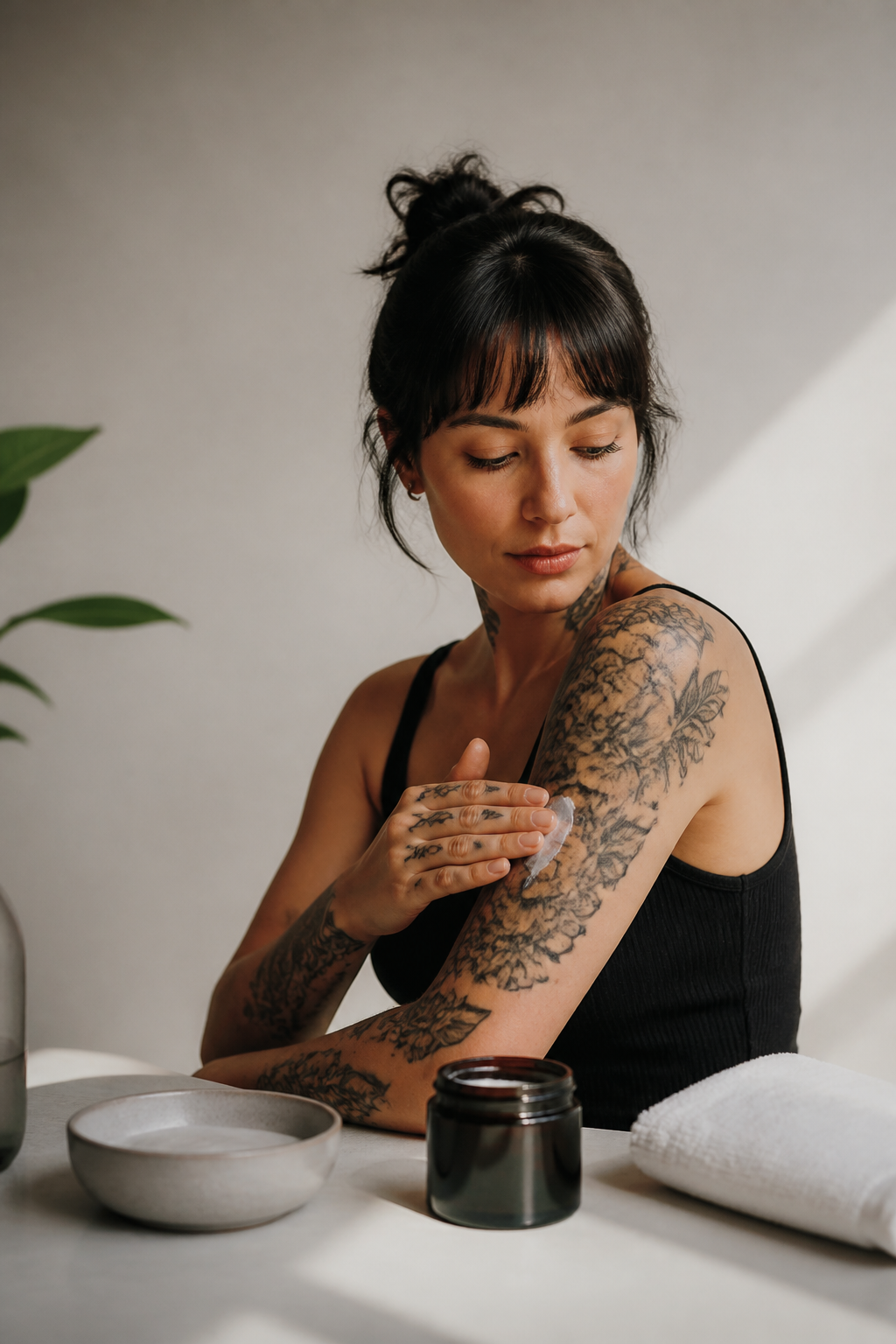
The first 48 hours are the most critical for your new ink. Once you leave the studio, keep your artist's bandage on for the recommended time to protect the open skin from bacteria. When it is time to remove it, wash the area gently with lukewarm water and a fragrance-free, antimicrobial soap. Use your clean fingertips rather than a washcloth to avoid unnecessary friction.
After washing, pat the area dry with a clean paper towel and apply a very thin layer of specialized ointment. Modern Tattoo aftercare emphasizes that less is more; over-moisturizing can clog pores and lead to breakouts or ink leaching. During the first few days, your goal is to keep the skin hydrated enough to prevent heavy scabbing without suffocating the tissue.
As you move into the first week, your tattoo will likely begin to peel or flake, similar to a mild sunburn. It is vital that you do not pick, scratch, or peel the skin, as this can pull pigment out of the dermis and leave gaps in the design. Continue moisturizing twice a day with a gentle, unscented lotion to soothe the itchiness and support the natural healing timeline.
Environmental protection is equally important during this phase. You must avoid swimming in pools, lakes, or oceans for at least two to three weeks, as soaking a fresh wound can lead to infection or faded lines. Additionally, keep the piece out of direct sun exposure. Once fully healed, always apply high-SPF sunscreen to keep your colors vibrant and prevent premature aging.
While most tattoos heal without incident, you should stay vigilant for signs of trouble. While some redness and swelling are normal, excessive heat, spreading red streaks, or yellow discharge are red flags. If you notice these symptoms or if the pain intensifies after the third day, contact your artist immediately for professional advice or consult a healthcare provider.
Following a strict Tattoo aftercare protocol ensures your investment stays sharp for a lifetime. By prioritizing hygiene and patience, you allow the skin to lock in the pigment perfectly. Remember, your artist did half the work in the chair, but the final result depends entirely on how well you treat your skin during the recovery process.