Precision and Elegance: The Fineline Tattoo Styles Guide
24 days ago
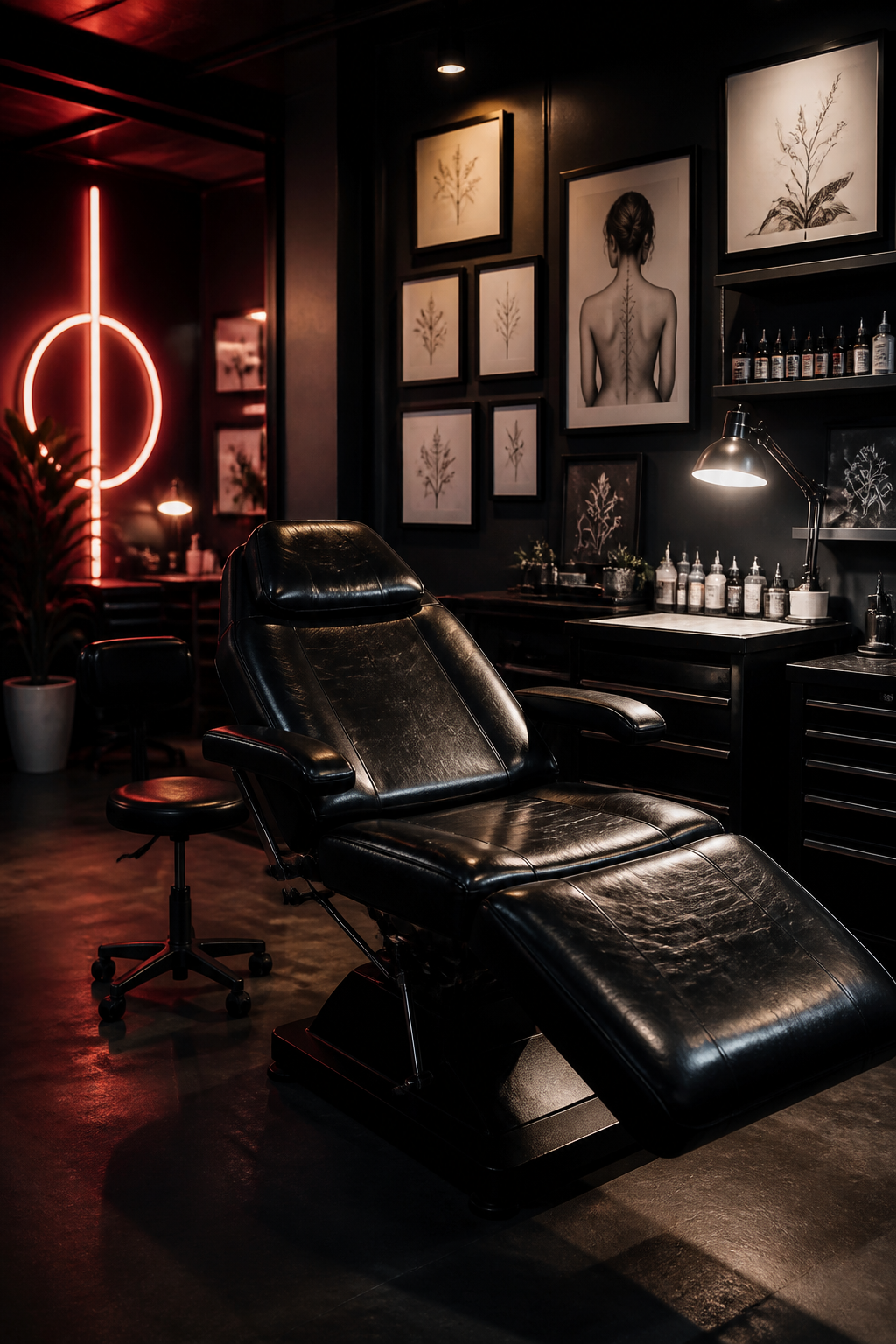
Fineline tattooing represents a shift toward subtle, sophisticated aesthetics that mimic the precision of a technical pen. Unlike the heavy, bold outlines of traditional styles, this method utilizes single or very low-count needle groupings to create incredibly thin, crisp lines. This technique allows for a level of detail that was previously thought impossible on human skin, bridging the gap between high-fashion illustration and permanent body art.
Historically, the style grew out of the 'black and gray' movement of the late 20th century, particularly within the California scene. It was fueled by artists who wanted to push the boundaries of what the medium could achieve, moving away from the 'bold will hold' mantra toward a softer, more delicate visual language. Today, it is one of the most requested looks for those seeking minimalist or architectural designs.
Key characteristics of the style include a lack of heavy shading and a focus on clean, unbroken contours. Because the ink is deposited with such fine needles, the resulting art often looks like it was sketched directly onto the body with a graphite pencil. This makes it a favorite for botanical illustrations, geometric diagrams, and micro-portraits where every millimeter counts toward the final likeness.
Modern pioneers in the field have taken this approach to global heights, proving that thin lines can age beautifully when executed with the correct depth and tension. Artists like Dr. Woo and Mark Mahoney helped transition the style from a niche subculture into a mainstream phenomenon. Their work emphasizes the importance of 'negative space,' letting the natural skin tone act as a primary element of the composition.
When considering a piece from this tattoo styles guide, placement is everything. Because the lines are so delicate, they look best on flatter surfaces where the skin is less prone to significant stretching or heavy sun exposure. Common spots include the inner wrist, the ribs, or along the collarbone, where the natural anatomy can frame the fine-scale work without distorting the tiny details.
Choosing a specialist is vital for this aesthetic, as there is zero room for error. A single shake or an uneven hand becomes immediately visible when the line is only a fraction of a millimeter wide. However, for those who appreciate the 'less is more' philosophy, the result is a timeless, understated piece of art that feels as much like jewelry as it does a tattoo.