Needle Realism: The Brutal Truth About Tattoo Pain
2 months ago
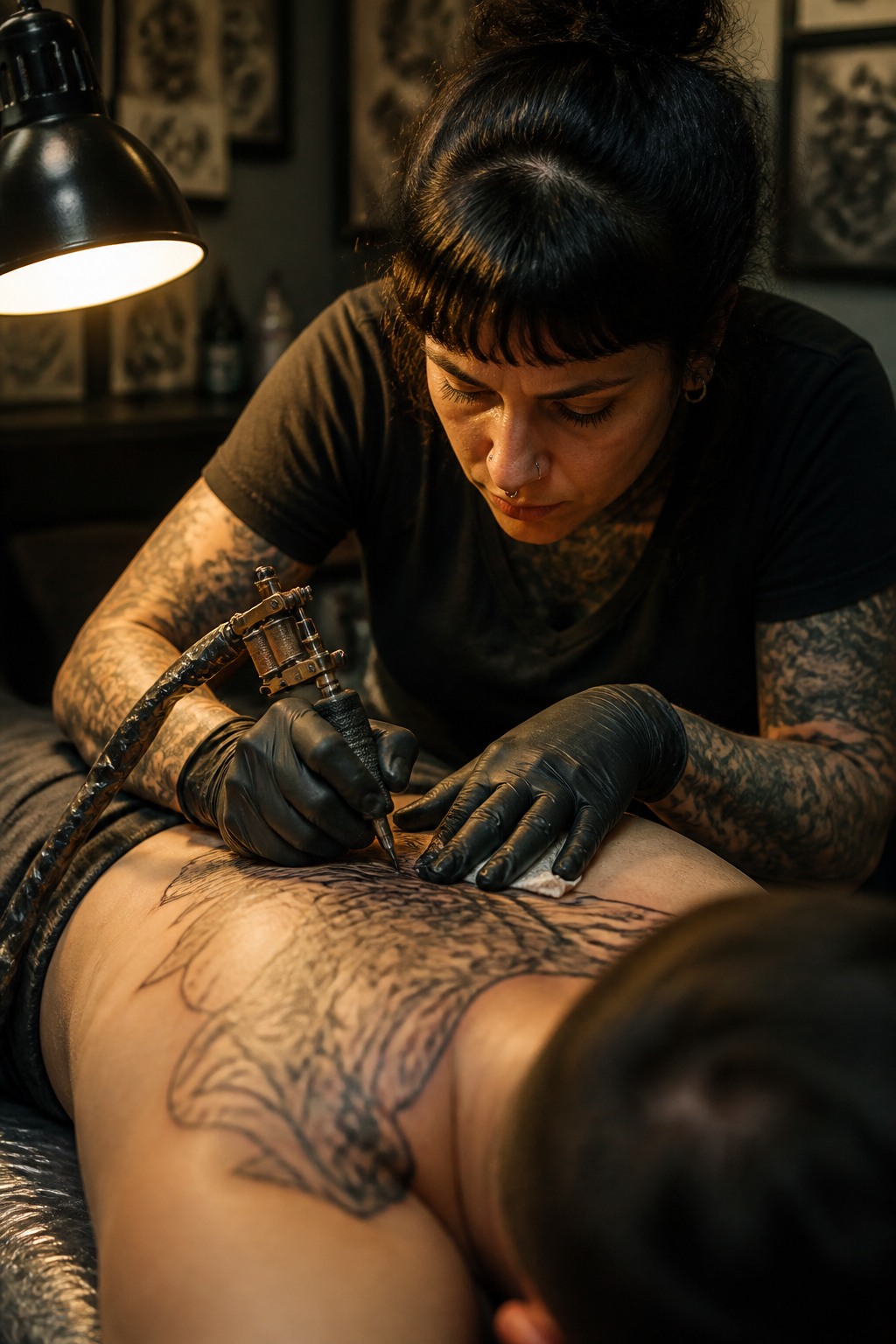
Understanding tattoo pain is the first step toward a successful session. While pain is subjective, the map of the body provides a reliable guide for what to expect. Areas with thin skin and proximity to bone, such as the ribs, shins, and chest, typically register highest on the discomfort scale. Conversely, fleshy areas like the outer thighs or forearms are generally more manageable for those worried about their tolerance.
Your physical state before entering the studio plays a massive role in how you process the sensation. Dehydration makes the skin less elastic and more sensitive, while a lack of sleep lowers your overall threshold for discomfort. It is also vital to skip the extra morning espresso; caffeine is a stimulant that can increase anxiety and thin the blood, making the process more difficult for both you and the artist.
Managing long sessions requires a strategic approach to nourishment. High-protein meals provide sustained energy, and keeping your blood sugar stable with small snacks can prevent the lightheadedness often associated with prolonged needle work. If you find the vibration becoming overwhelming, do not hesitate to ask your artist for a short break to stretch and reset.
Mindset is the final piece of the puzzle. Focusing on steady, rhythmic breathing helps keep the nervous system calm, preventing the 'fight or flight' response that makes discomfort feel more intense. By preparing your body through hydration and rest, you turn the challenge of tattoo pain into a manageable part of the journey toward your new piece of art.