
Mosh Pits and Machines: How Punk Rock Revived Modern Tattoo Culture
2 months ago
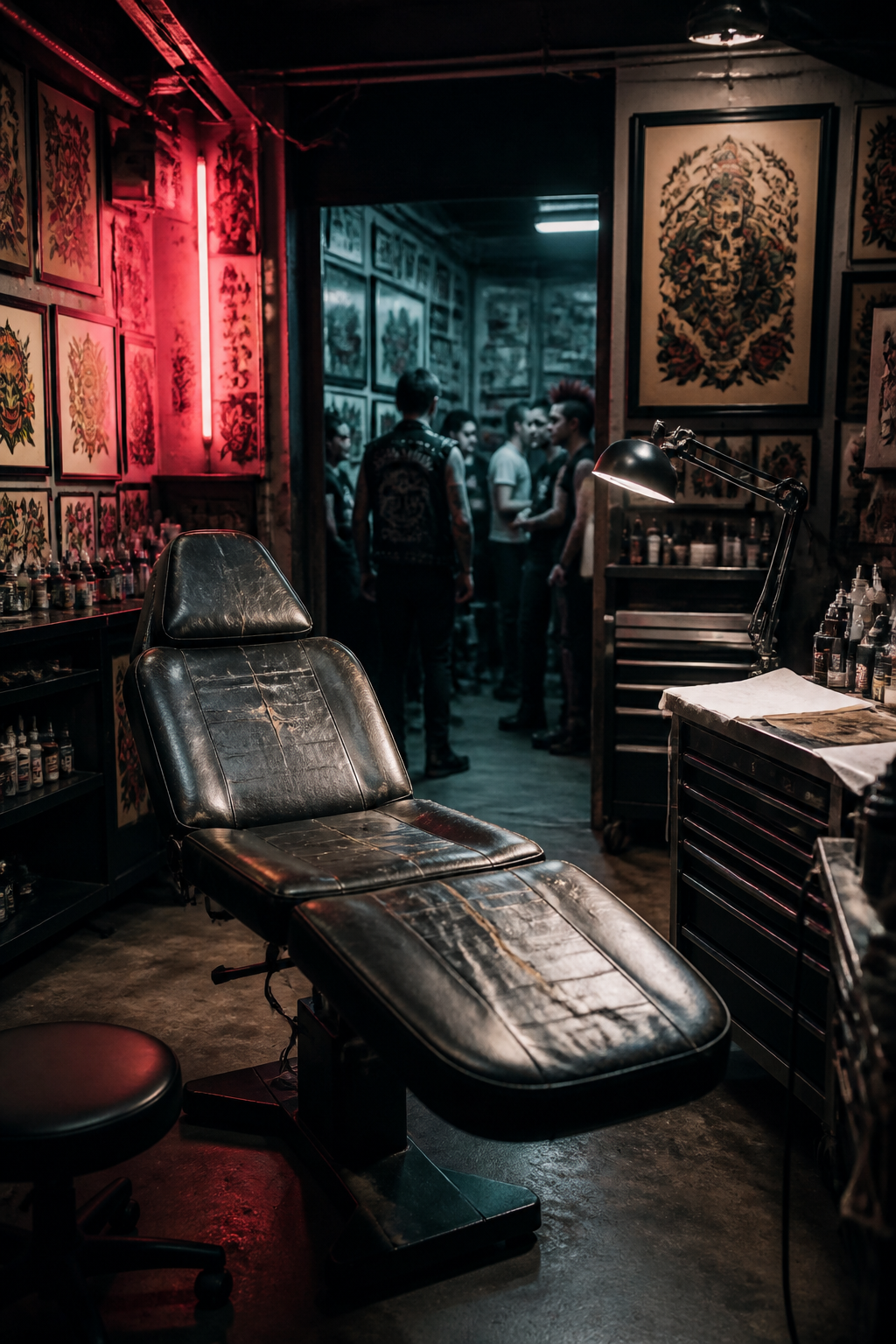
Before it was a mainstream fashion statement, the heavy ink we see today found its heartbeat in the smoky basement venues of the 1970s and 80s punk scene. This era marked a pivotal shift in tattoo culture, moving away from rigid professional standards toward a DIY aesthetic that prioritized message over technical perfection. Musicians and fans alike began using their skin as a canvas for social commentary and subcultural affiliation.
In London and New York, the rise of the safety-pin aesthetic naturally bled into the world of needles. Tattooing became an act of defiance against the polished imagery of the mid-century. This movement introduced the world to bolder, cruder lines and a chaotic energy that still influences the 'Ignorant Style' and 'Grunge' movements seen in modern studios today. It wasn't just about the art; it was about the refusal to conform.
The crossover between music and skin was solidified by bands who treated their bodies like band posters. This visibility forced tattoo culture out of the shadowy docks and into the limelight of pop culture, albeit through a lens of grit and grit. The punk influence stripped away the elitism of the craft, encouraging a generation to pick up machines and experiment with non-traditional motifs and high-contrast blackwork.
Today, the legacy of the punk era lives on in the community-focused collectives that prioritize inclusivity and raw expression. While the tools have become more sophisticated, the spirit of those early mosh pits remains. The focus on self-ownership and the rejection of societal norms continue to be the primary drivers for new collectors entering the scene.
Understanding this history is vital for anyone looking to appreciate the depth of modern ink. The punk scene didn't just add new designs to the catalog; it fundamentally changed how we perceive the act of getting marked. It transformed the studio from a transactional space into a site of radical self-definition.
As we look at the current landscape, it is clear that the loud, unapologetic roots of the music scene are what kept the industry alive and evolving. Tattoo culture remains a vibrant, living history of every subculture that dared to be different, ensuring that the art form never becomes stagnant or safe.