
Mosh Pits and Machines: How Hardcore Music Shaped Tattoo culture
3 days ago
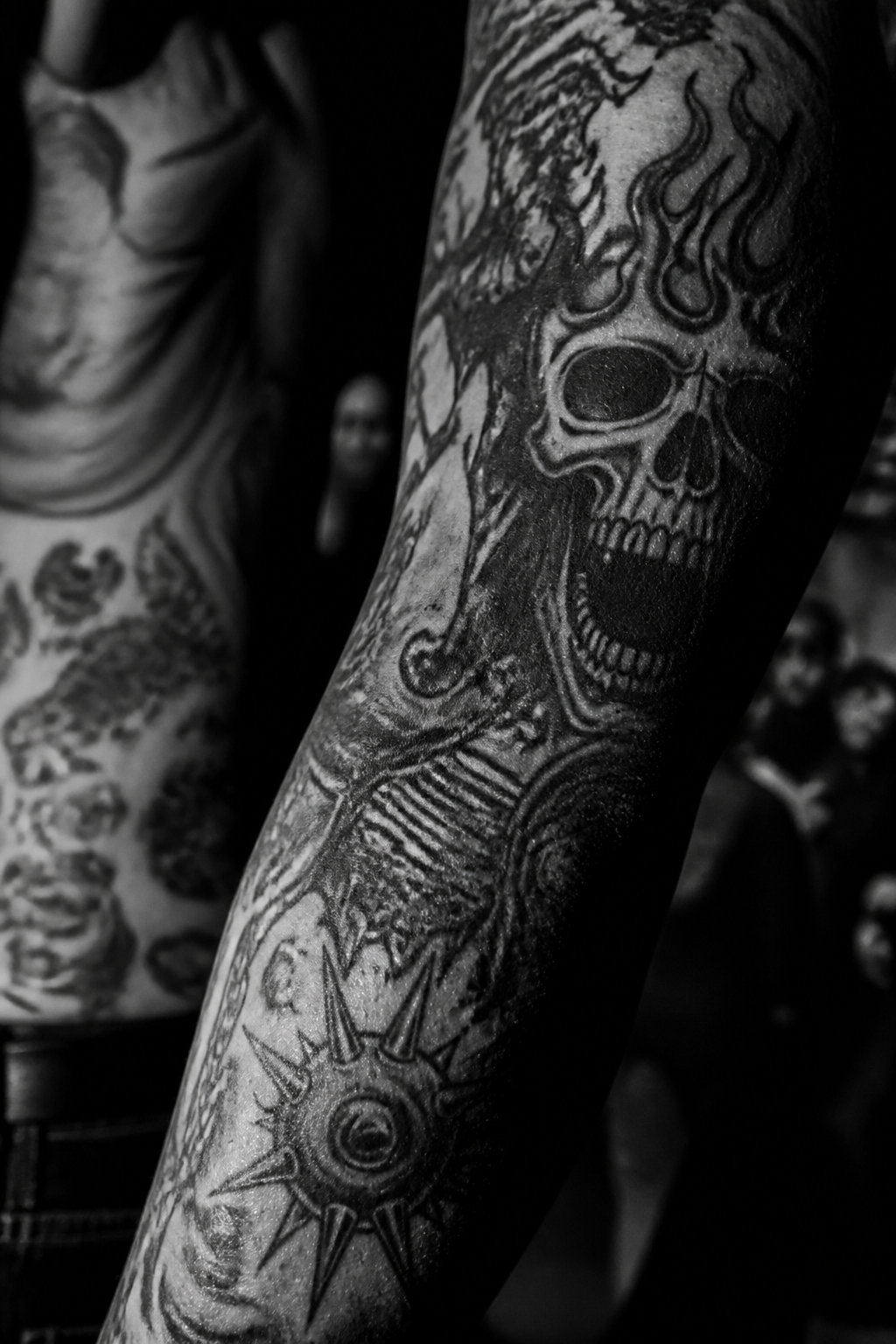
The link between loud music and permanent ink is inseparable, but the hardcore scene of the 1980s and 90s brought a specific, high-contrast energy to the craft. While mainstream society still viewed body art with suspicion, the basement shows and VFW halls of the underground were breeding grounds for a new aesthetic. Here, the art wasn't just decorative; it was a badge of endurance and a visual shout against the status quo.
In this gritty corner of Tattoo culture, the imagery moved away from the soft gradients of the past toward thick, unapologetic outlines and solid fills. Distorted typography, broken chains, and heavy-duty boots became the iconography of a generation that valued brotherhood and resilience. These pieces were designed to be seen through the sweat and motion of a crowded pit, prioritizing impact over subtlety.
Technique also evolved alongside the music. As touring bands traveled from city to city, they traded styles and shop recommendations, creating a global network of artists who understood the specific needs of the subculture. This constant exchange accelerated the spread of bold, traditional-adjacent styles that could withstand the physical rigors of a high-energy lifestyle.
Today, that legacy lives on in every large-scale blackwork piece and bold traditional chest plate. The DIY ethic of the hardcore scene taught us that you don't need a corporate invitation to leave your mark. It remains one of the most honest chapters in the history of the scene, proving that the best art often comes from the loudest voices.