Mastering Your Session: A Realistic Guide to Tattoo Pain
4 months ago
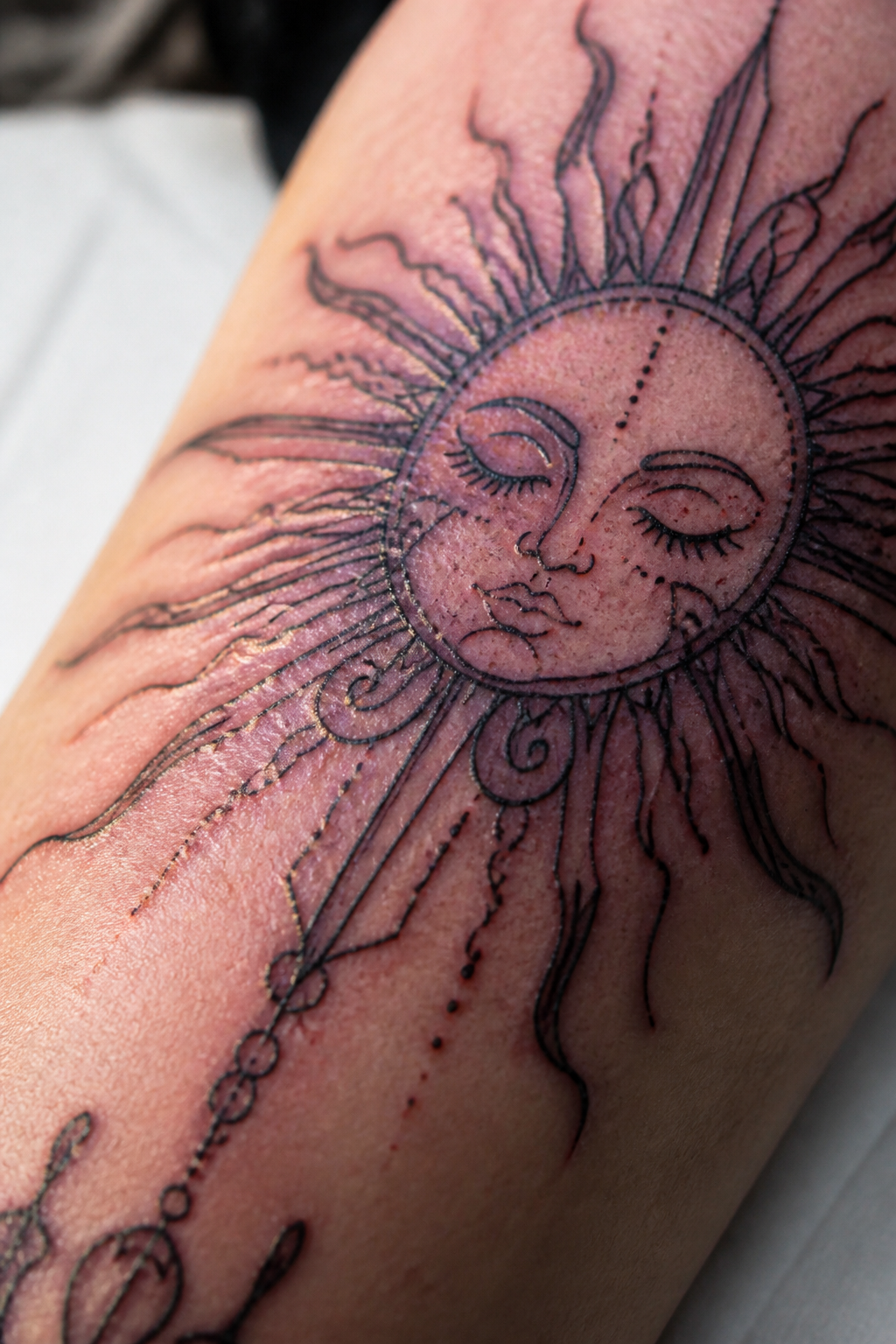
Understanding tattoo pain is the first step toward a successful session. While everyone has a different threshold, certain body parts are universally more sensitive than others. Fleshy areas like the outer thighs or upper arms are generally considered low-intensity zones, whereas spots where the skin is thin or sits directly over bone—like the ribs, shins, and chest—will certainly test your resolve.
Your physical state before you even walk into the shop plays a massive role in how you handle the needle. Arriving well-rested is non-negotiable; sleep deprivation lowers your pain tolerance and makes you more jittery in the chair. Hydration is equally critical, as hydrated skin is more resilient, takes the ink better, and heals more efficiently than dry, neglected skin.
What you consume on the day of your appointment matters too. While you might be tempted to grab an extra-large coffee to power through, excessive caffeine can actually increase your sensitivity and make it harder to sit still. Instead, focus on a high-protein meal and keep your blood sugar stable with snacks. A sudden drop in glucose during a long session is a fast track to feeling faint or overwhelmed by the sensation.
When it comes to those grueling multi-hour sessions, communication with your artist is key. Don't be afraid to ask for a short break to stretch or grab a drink of water. Proper breathing techniques—slow, deep inhales and exhales—can also help calm your nervous system and prevent the 'fight or flight' response that often occurs when the needle hits a particularly sensitive nerve.
Ultimately, managing the experience is about preparation rather than just endurance. By controlling your environment and your physical health, you transform the process from a test of willpower into a manageable part of your body art journey. Remember, the discomfort is temporary, but the quality of your ink depends on how well you can stay steady and calm throughout the process.