
Mastering the Strategic Tattoo Cover-up
17 days ago
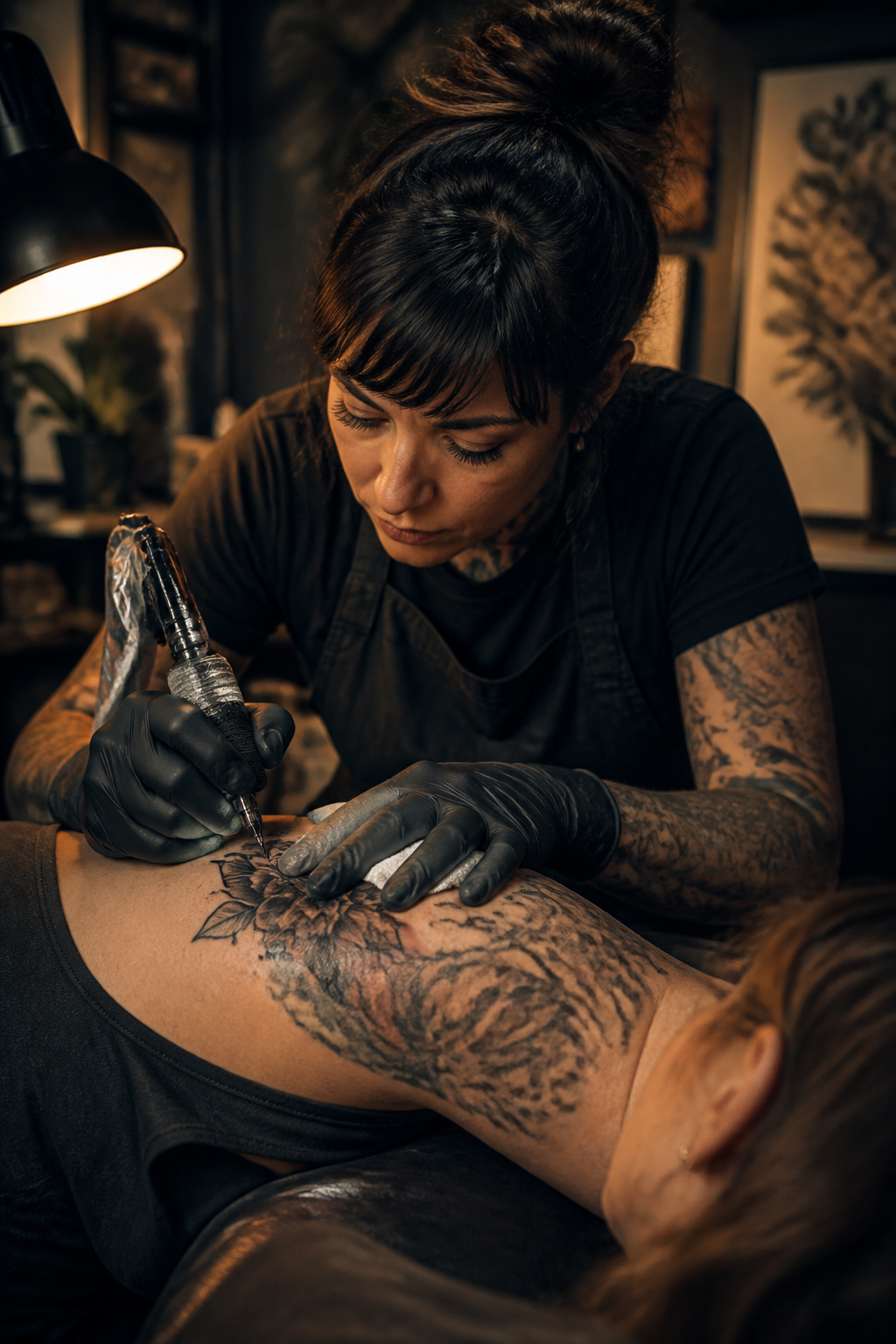
Navigating a tattoo cover-up requires a shift in perspective. Unlike working on a blank canvas, your artist must now contend with existing pigment, scarring, and the flow of the previous piece. Successful results depend on understanding that a cover-up is essentially a game of visual redirection, using new shapes and shadows to distract the eye from the old ink lying beneath.
Design strategy is the most critical element of the process. You cannot simply place any image over an old one; the new design must be larger, denser, and strategically placed. Organic shapes like floral arrangements, mechanical textures, or heavy illustrative work are often preferred because they offer complex shadows that help camouflage the saturated lines of the original work.
One of the biggest limitations is the color palette. Darker pigments like deep blues, greens, and blacks are the most effective at masking old work. While many clients hope for a bright, vibrant color swap, the reality is that the new ink sits above the old in the dermis, meaning the two layers eventually blend. This is why a skilled artist will prioritize cool tones and high-contrast shading.
In cases where the original tattoo is exceptionally dark or heavy-handed, a professional may recommend a few sessions of laser fading first. Lightening the old pigment even by twenty percent opens up a world of design possibilities that wouldn't be feasible otherwise. It transforms a difficult cover-up into a project with far more creative freedom and longevity.
Choosing the right artist for a tattoo cover-up is a specific skill set separate from standard tattooing. Look for a portfolio that showcases 'before and after' shots, specifically looking at how the new design flows with the body’s anatomy. An expert will be honest about what is possible, ensuring your new piece looks like an intentional work of art rather than a patch-up job.