
Mastering the Strategic Art of the Tattoo cover-up
28 days ago
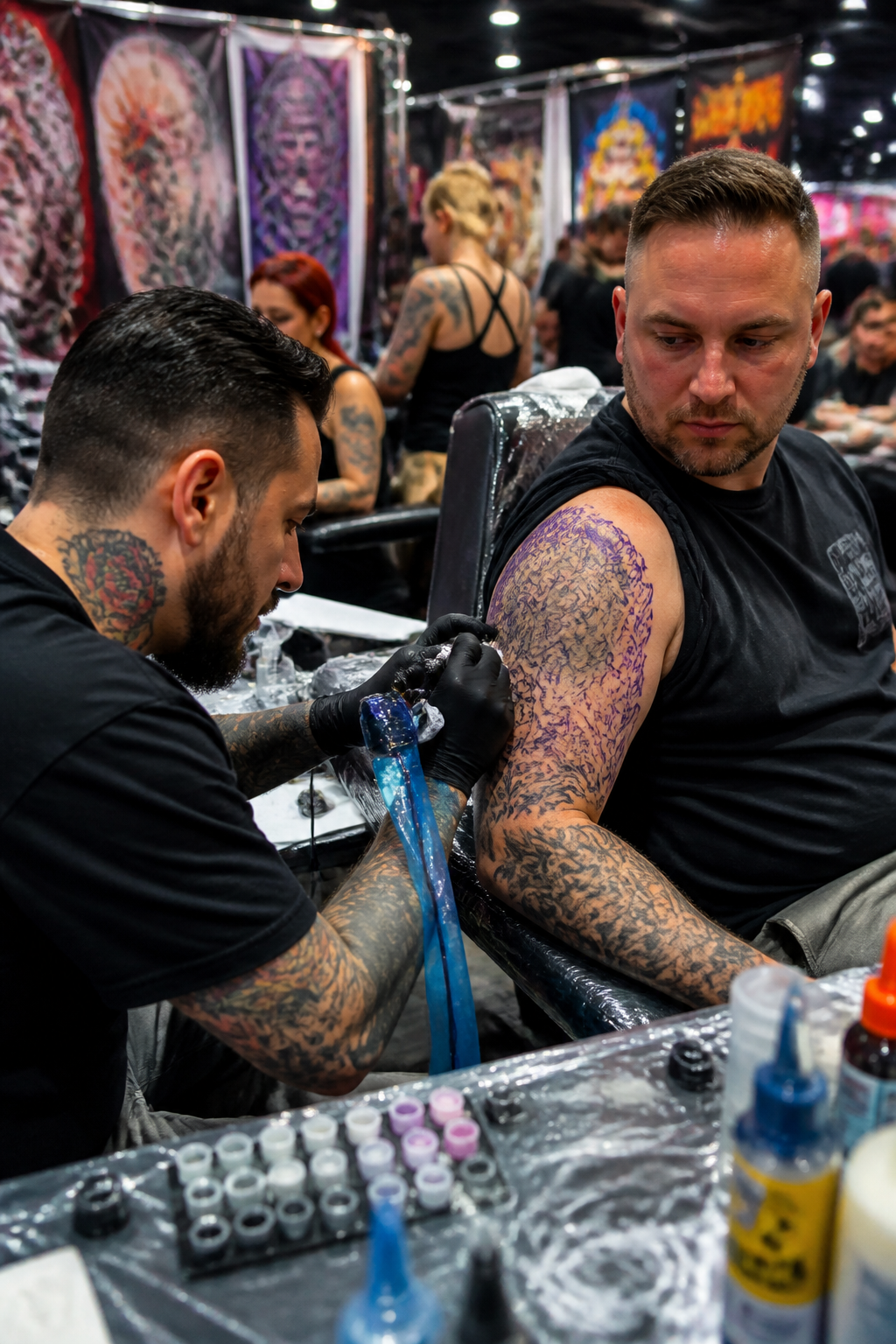
Getting a Tattoo cover-up is far more complex than simply painting over an old canvas. Unlike traditional art, tattoo ink lives within the skin, meaning the new pigment must interact with the old. The success of a transformation depends on understanding that you are not just hiding an old image, but integrating it into a new, denser composition.
Design strategy is the most critical element of the process. A successful Tattoo cover-up usually requires a design that is at least two to three times larger than the original piece. Artists rely on deep saturated colors, complex textures, and strategic placement of shadows to draw the eye away from the old lines and toward the fresh details.
Not every old piece can be hidden immediately. If your previous work is exceptionally dark, thick, or raised, many artists will recommend a few sessions of laser removal to fade the ink first. Lightening the old pigment provides a cleaner slate, allowing for a wider variety of colors and styles in your new design rather than being forced into a solid black block.
Choosing the right artist is the final piece of the puzzle. You should specifically seek out professionals who showcase a dedicated portfolio of before-and-after shots. These specialists understand how to manipulate light and flow to trick the eye, ensuring that your Tattoo cover-up looks like a deliberate piece of art rather than a desperate attempt at concealment.
Ultimately, patience is your best tool. A rush to hide a mistake can often lead to a second, bulkier mistake. By working with a specialist and respecting the technical limitations of skin and ink, you can turn a source of regret into a centerpiece you are proud to display.