Mastering the Sleeve: A Guide to the Most Dynamic Tattoo Placement
3 days ago
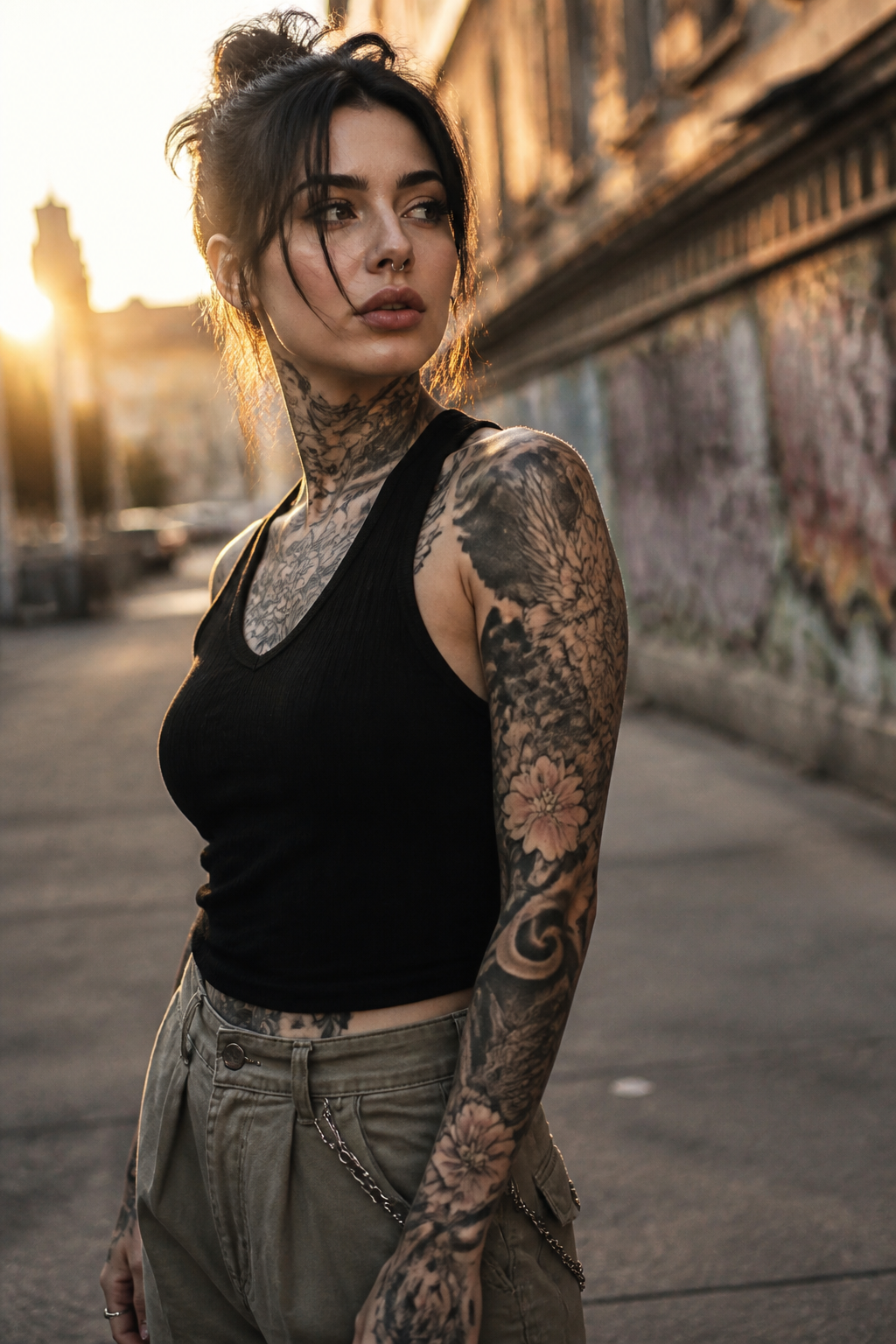
Committing to a full sleeve is a major milestone in any collector's journey. Unlike standalone pieces, this tattoo placement requires a holistic approach to the arm's anatomy, treating the limb as a single, fluid canvas rather than a series of flat surfaces. A well-executed sleeve considers how the design wraps around the forearm and bicep, ensuring that imagery remains legible from every angle without being distorted by natural movement.
When designing for this area, flow is your most important asset. The transition between the shoulder, elbow, and wrist acts as a roadmap for the artwork. Strong vertical elements help elongate the arm, while background textures like smoke, clouds, or geometric shading can bridge the gaps between larger motifs. Successful sleeves use these 'filler' elements to hug the body’s natural musculature, creating a wrap-around effect that feels intentional and integrated.
Pain management for a sleeve is a game of endurance. While the outer arm is generally considered a lower-pain zone, the 'inner ditch' of the elbow and the sensitive skin of the inner bicep can be significantly more intense. Most artists recommend breaking the project into multiple sessions to manage both physical stamina and skin trauma. This phased approach also allows for better healing, ensuring the saturation remains consistent across the entire limb.
Long-term aging is a critical factor for this tattoo placement. The outer arm receives frequent sun exposure, which can cause pigments to fade or blur over time if not protected. High-contrast designs with bold linework tend to hold up best against the elements. To keep a sleeve looking crisp for decades, consistent sunscreen application is non-negotiable, as UV damage is the primary culprit for the loss of detail in large-scale arm pieces.
Ultimately, a sleeve is a visual narrative that moves with you. Whether you opt for a cohesive theme or a 'patchwork' style of individual pieces, the key is maintaining a consistent visual weight. By respecting the way the skin twists and stretches near the joints, you ensure that your investment remains a striking piece of wearable art that complements your physical form.