
Mastering the Shift: The Technical Reality of a Tattoo cover-up
10 days ago
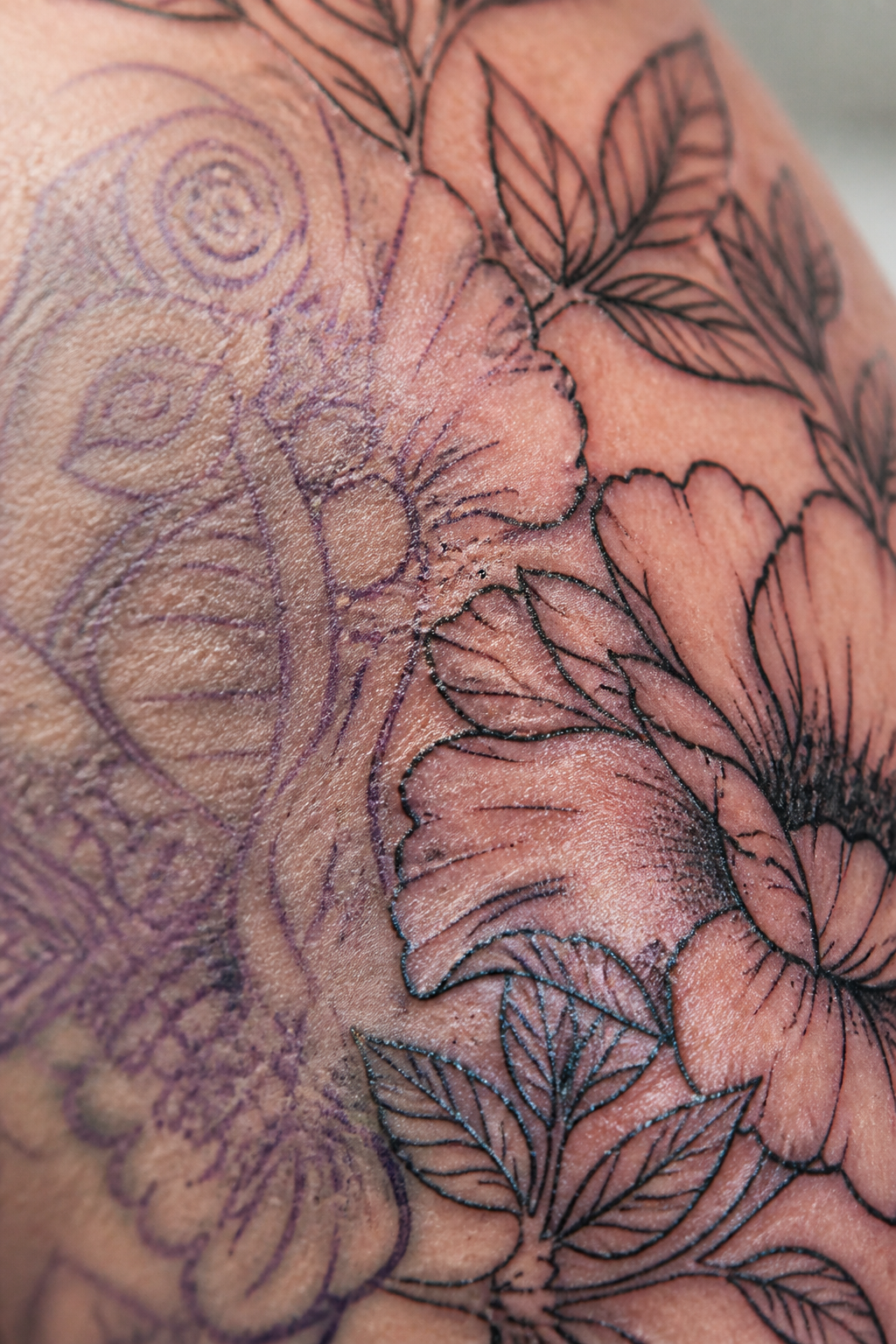
Getting a Tattoo cover-up is not as simple as painting over a wall. Tattoos live in the dermis, meaning the new ink blends with the old pigment rather than sitting on top of it. Because of this transparency, a successful transformation requires a deep understanding of color theory and ink chemistry. You cannot put a light yellow over a dark navy and expect the navy to vanish; instead, the darker color will almost always show through once the skin heals.
Design strategy is the most critical element of the process. Artists often use 'distraction' techniques, placing high-contrast details or busy patterns directly over the old lines to draw the eye away. Organic shapes, heavy shading, and rich cool tones like deep blues, greens, and blacks are the most effective tools. The new design typically needs to be significantly larger than the original piece to allow for a natural flow that doesn't look like a cramped patch.
In some cases, the old ink is simply too saturated or scarred for a direct overlay. This is where a strategic laser fade becomes necessary. A few sessions of laser removal can lighten the old pigment enough to expand your design options exponentially. By thinning out the darkest areas, you move from having only a few 'heavy' cover-up choices to being able to select almost any style or color palette for your new art.
Selecting the right artist is the final piece of the puzzle. Cover-ups require a specific skill set that differs from starting on a clean canvas. Look for a portfolio that showcases 'before and after' photos of healed work. A specialist will be honest about what is possible and will work with you to create a piece that looks like intentional art rather than a desperate fix. When done correctly, the result is a seamless piece of skin art that leaves the past behind.