
Mastering the Shadow: The Art of a Successful Tattoo cover-up
10 days ago
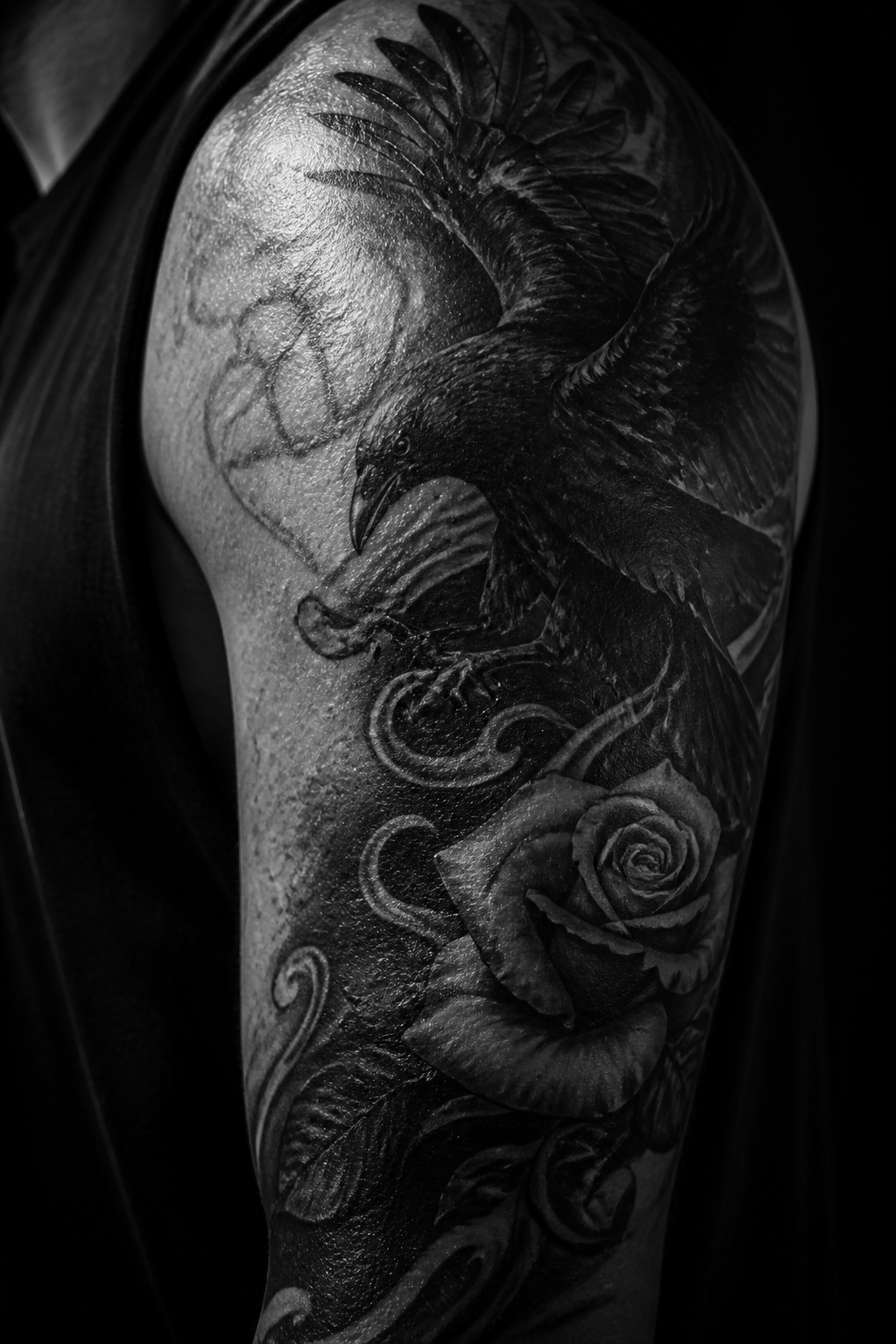
A successful Tattoo cover-up is less about erasing the past and more about the art of redirection. Unlike a fresh canvas, the skin already contains pigment that will interact with new ink. Because tattoo ink is translucent, you cannot simply paint a lighter color over a dark one; instead, the new design must strategically camouflage the old lines through clever composition and color theory.
Design strategy is the most critical component of the process. Artists often use organic shapes, high-detail textures, and deep saturations to draw the eye away from the underlying silhouette. Bold imagery like heavy floral patterns or American Traditional styles are popular choices because their dense packing and dark shading effectively mask the heavy black lines of an unwanted piece.
In some cases, the existing ink is too dark or saturated for an immediate fix. This is where a laser fade session becomes invaluable. Lightening the old piece by just two or three shades opens up a wider variety of new design possibilities, allowing for brighter colors and finer details that would otherwise be swallowed up by the original dark pigment.
Choosing the right artist for a Tattoo cover-up is vastly different from selecting one for a standard piece. You need a specialist who understands the chemistry of how inks layer and the physics of light reflection on skin. A cover-up pro will be honest about what is possible, often requiring a larger final piece than the original to ensure total concealment.
Ultimately, the goal is to create a piece of art that looks intentional rather than like a patch. By working with your artist to embrace darker tones and complex textures, you can transform a source of regret into a stunning focal point. Patience and a willingness to adapt your vision are the keys to a flawless transformation.