
Mastering the Sensation: Your Honest Guide to Tattoo pain
5 days ago
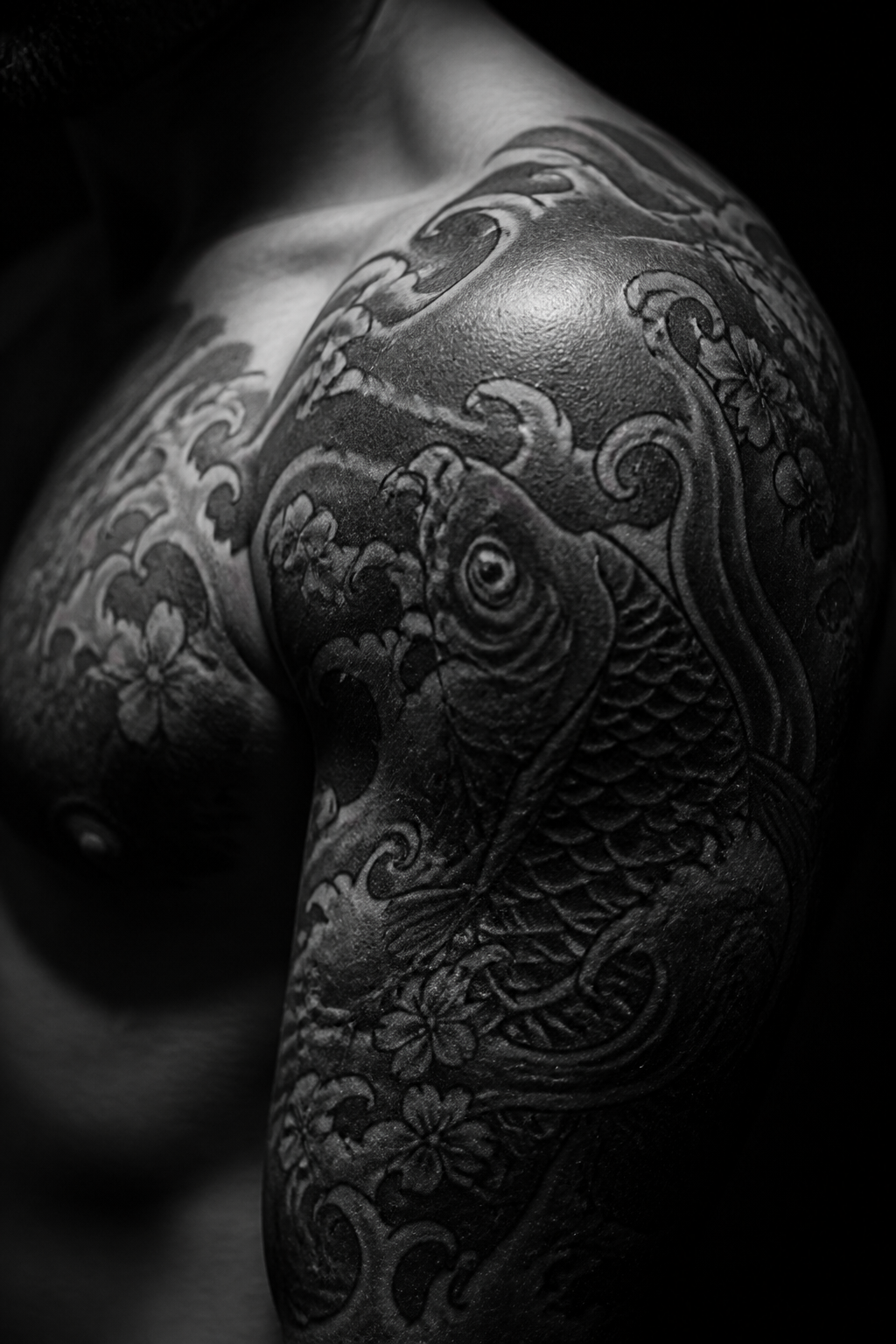
When it comes to getting inked, the question isn't whether it hurts, but rather how much. Tattoo pain is a subjective experience, yet certain anatomical zones are notorious for testing your mettle. Areas where the skin is thin and sits directly over bone—like the ribs, shins, and spine—typically register higher on the discomfort scale compared to the fleshier real estate of the outer thigh or upper arm.
Preparation starts long before the needle touches your skin. Your physiological state plays a massive role in how your body processes the stinging sensation. Arriving at the studio well-hydrated and having eaten a substantial meal can stabilize your blood sugar, helping you avoid the lightheadedness that sometimes accompanies a long session. Conversely, showing up hungover or dehydrated will significantly lower your pain threshold.
One common mistake enthusiasts make is loading up on coffee before their appointment. While a morning cup is fine, excessive caffeine can make you jittery and increase your heart rate, which often heightens your sensitivity to the vibrations of the machine. It is better to rely on natural adrenaline and a steady breathing rhythm to stay calm while the artist works.
For those tackling large-scale pieces that require multiple hours in the chair, mental stamina is key. Focused, deep breathing acts as a natural dampener for sharp discomfort, preventing your muscles from tensing up. If the pain becomes overwhelming, don't be afraid to ask your artist for a short break to stretch and reset your focus.
External factors like sleep also dictate your experience. A body that is well-rested is far more capable of managing the inflammatory response triggered by the tattooing process. If you have a big session coming up, prioritize eight hours of shut-eye to ensure your nervous system is prepared for the endurance test ahead.
Ultimately, managing tattoo pain is about respecting the process and listening to your body. By controlling your environment through proper nutrition, rest, and hydration, you transform a potentially grueling ordeal into a manageable rite of passage. Remember, the temporary discomfort is just a small price to pay for a lifetime of permanent art.