Mastering the Sensation: Your Honest Guide to Tattoo Pain
4 months ago
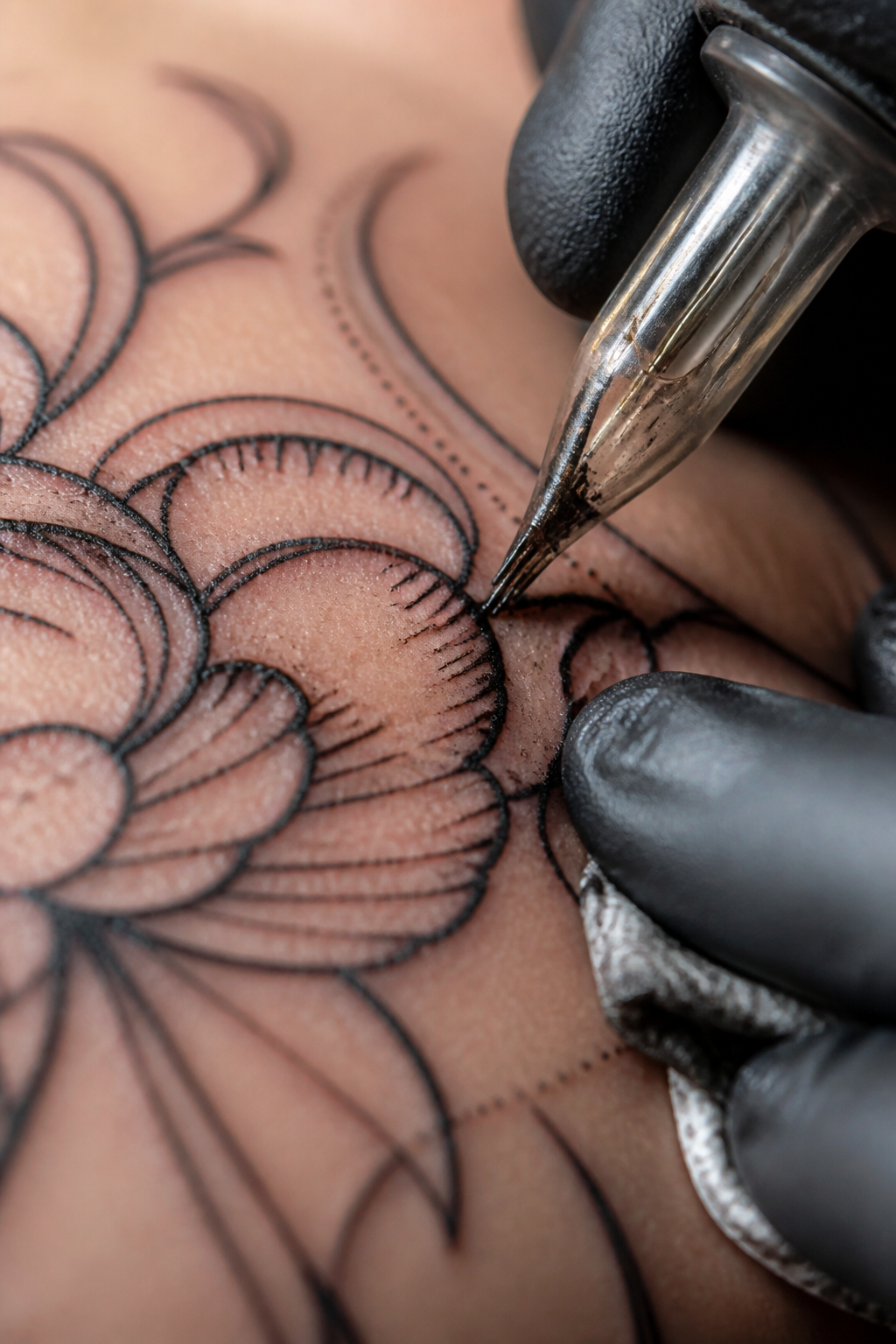
Understanding tattoo pain is the first step toward a successful session. While everyone has a different threshold, certain areas are universally more sensitive than others. Fleshy spots like the thighs or outer arms typically offer a duller, more manageable buzz, whereas boney areas such as the shins, collarbones, and sternum can feel significantly more intense as the needle vibrates closer to the bone.
Preparing for the chair starts long before you walk into the studio. Your physical state plays a massive role in how your brain processes the needle. Getting a full night of deep sleep is essential for keeping your nervous system calm. If you show up exhausted, your body’s natural ability to manage stress is compromised, making even simple linework feel much sharper.
Hydration is another non-negotiable factor. Well-hydrated skin is more elastic and receptive to ink, which allows your artist to work more efficiently. On the flip side, you should strictly avoid caffeine and alcohol at least 24 hours before your appointment. Caffeine is a stimulant that can make you jittery and more sensitive to the needle, while alcohol thins your blood and impedes the healing process.
For those tackling long sessions, managing the mental aspect of tattoo pain is key. Breaking the session down into smaller milestones helps keep your focus sharp. Don't be afraid to communicate with your artist if you need a short break to stretch or grab a snack. Keeping your blood sugar stable with a high-protein meal beforehand ensures you don't feel lightheaded during the process.
Ultimately, the sensation is temporary, and the reward is a permanent piece of art. By controlling the variables you can—like rest, water intake, and environment—you can transform a daunting appointment into a focused, meditative experience. Focus on your breathing, stay relaxed, and trust the process as you earn your new ink.