
Mastering the Sensation: A Realist’s Guide to Tattoo Pain
30 days ago
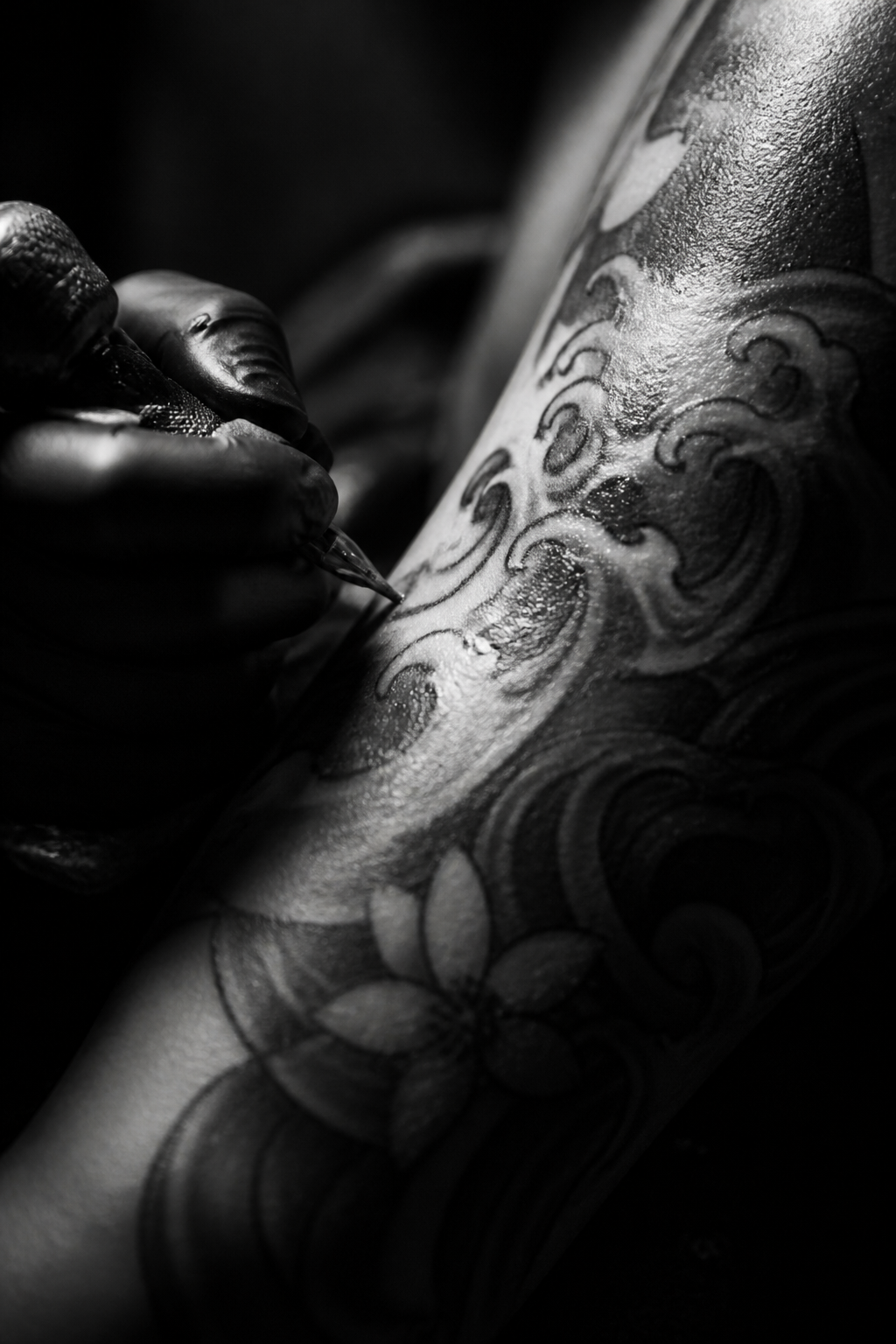
Understanding tattoo pain is the first step toward a successful appointment. While everyone’s threshold varies, placement is the ultimate decider. Fleshy areas like the outer arm or thighs generally offer a duller, manageable sensation. Conversely, regions where the skin is thin or directly over bone, such as the shins, elbows, and kneecaps, will undoubtedly test your resolve with a sharper, more intense vibratory feel.
Your physical state before sitting in the chair acts as a significant multiplier for how you perceive the needle. A lack of sleep leaves your nervous system frayed and hyper-reactive. Aim for a solid eight hours the night before to ensure your brain is equipped to handle the sustained stimulus of a long session without becoming overwhelmed.
Hydration and nutrition are equally vital tools in your kit. Well-hydrated skin is more supple and accepts ink more efficiently, potentially shortening your time under the needle. A heavy, protein-rich meal two hours before your session prevents blood sugar crashes, which are a common cause of fainting or mid-session jitters during particularly intense moments.
Caffeine is one trap many newcomers fall into. While it might seem like a good way to wake up, caffeine is a stimulant that can increase your heart rate and make you feel twitchy. It can also slightly thin the blood, leading to more redness and swelling. Stick to water or juice to keep your nerves calm and your skin cooperative while the artist works.
For those tackling large-scale projects, managing the duration is a mental game. Controlled, deep breathing helps regulate the body’s fight-or-flight response, keeping you calm as the hours tick by. Don't be afraid to ask for short breaks to stretch; keeping your muscles loose prevents the cramping that often accompanies the natural instinct to tense up against the needle.
Ultimately, the sensation is a temporary hurdle for a permanent piece of art. By controlling your environment and preparing your body, you transform the experience from something to be feared into something to be managed. Proper preparation ensures that you leave the studio focusing on your new ink rather than the discomfort it took to get there.