
Mastering the Routine: A Proactive Approach to Tattoo aftercare
25 days ago
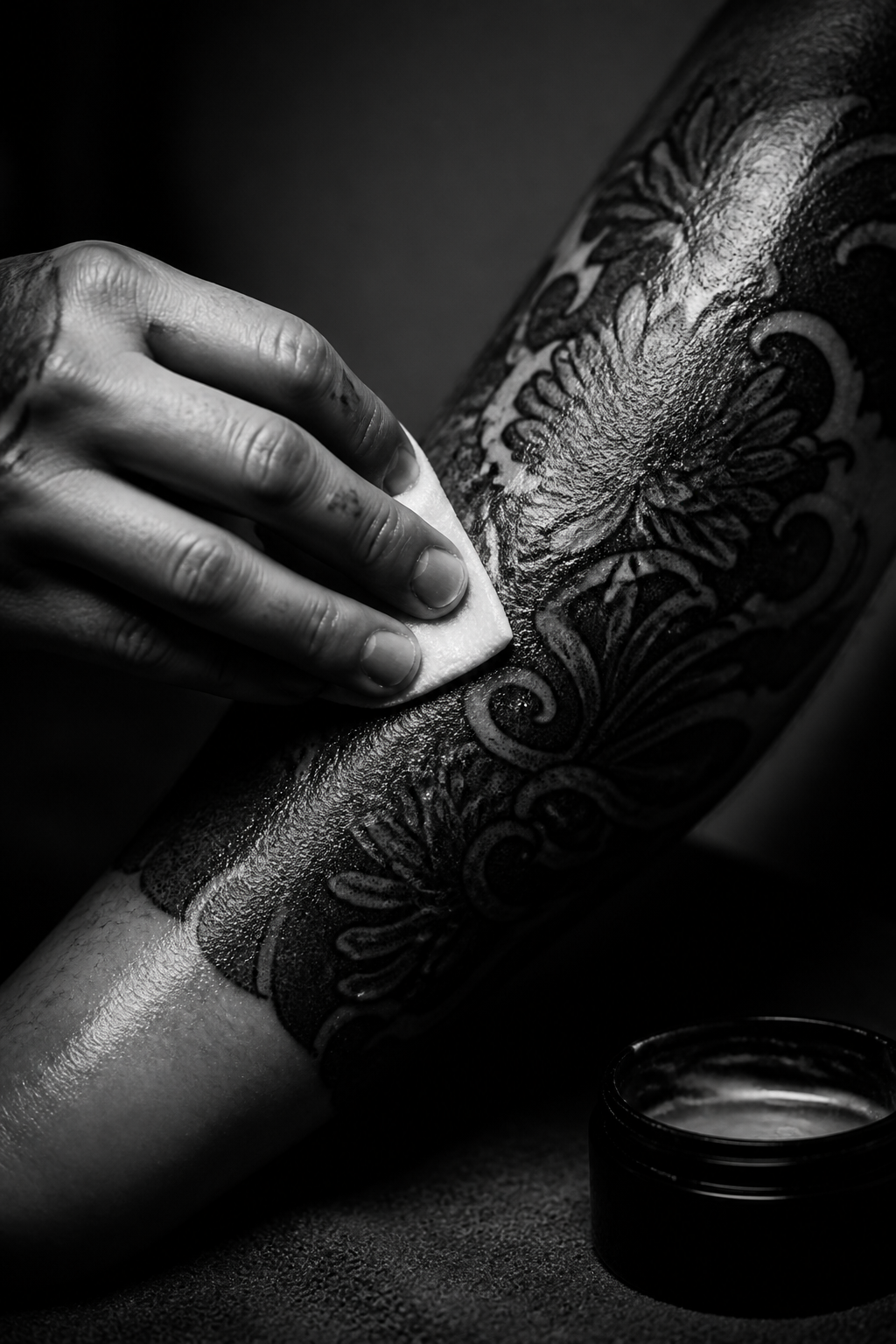
The first 48 hours are the most critical stage of your healing journey. Once you leave the studio, your artist will have applied a protective bandage or medical-grade film. Keep this on for the specific duration recommended by your professional—usually a few hours for traditional wrap or several days for second-skin adhesives. When it is time to remove it, do so with clean hands under lukewarm water, gently washing away plasma and excess ink with a fragrance-free, antibacterial soap.
After the initial wash, the golden rule of tattoo aftercare is hydration without suffocation. Pat the area dry with a clean paper towel rather than a bath towel to avoid lint or bacteria. Apply a very thin layer of specialized ointment or a gentle, unscented lotion. The skin needs to breathe to knit back together, so avoid heavy petroleum-based products that can clog pores and trap heat.
As the days progress, you will notice your ink beginning to peel or flake, similar to a sunburn. This is completely normal, but you must resist the urge to pick, scratch, or peel the skin. Forcing the flakes off can pull pigment out of the deeper layers, leading to patchy spots and scarring. If the itching becomes intense, a light tap on the area or another thin layer of moisturizer can provide much-needed relief.
Environmental factors play a massive role in how your piece settles. During the first two to three weeks, you must strictly avoid swimming in pools, oceans, or soaking in hot tubs, as prolonged submersion can introduce bacteria and fade the ink. Sun exposure is equally dangerous; UV rays are the enemy of fresh pigment. Keep the area covered with loose clothing rather than applying sunscreen until the skin has fully closed.
A typical healing timeline lasts about four weeks, though the deeper layers of skin take longer to fully stabilize. If you notice signs of extreme redness spreading away from the design, excessive swelling after the first few days, or if the area feels hot to the touch, do not hesitate to contact your artist. They can help you determine if the reaction is normal or if you need to seek professional medical advice.
Consistency is what separates a blurry, faded piece from a sharp, lifelong work of art. By sticking to a disciplined routine of cleaning and moisturizing, you ensure the integrity of the linework and the vibrancy of the colors. Treat your skin with respect, follow these practical steps, and your new piece will remain a bold statement for decades to come.