
Mastering the Routine: A Foolproof Guide to Tattoo aftercare
4 months ago
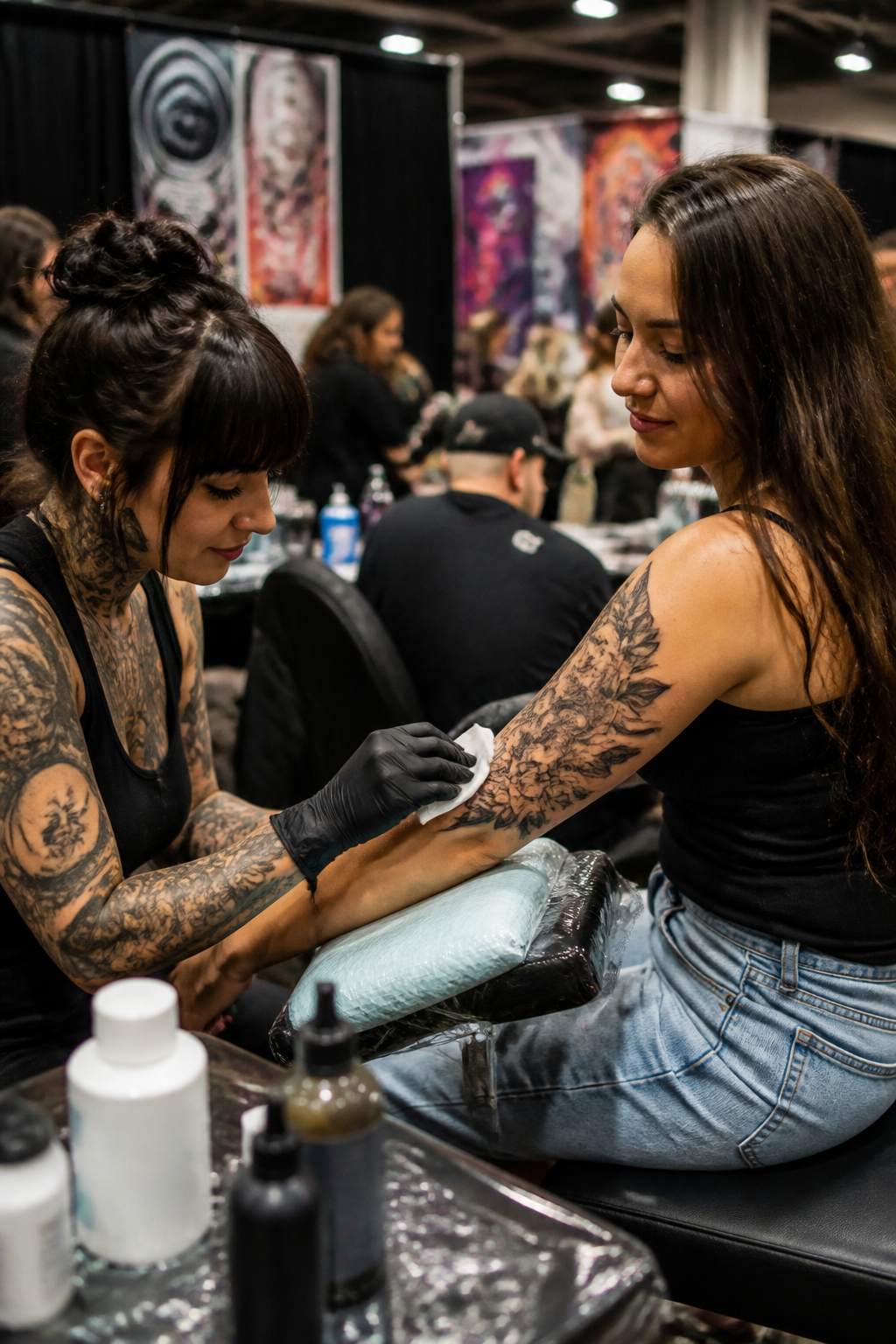
The first 48 hours are the most critical window for your new piece. Once you leave the studio, your artist will likely apply a medical-grade bandage or traditional wrap. Keep this on for the duration recommended—usually a few hours for plastic or up to five days for adhesive films. Once removed, wash the area gently using lukewarm water and a fragrance-free, antimicrobial soap. Use your clean hands only; avoid washcloths or sponges which can harbor bacteria and cause irritation.
After washing, pat the area dry with a clean paper towel. Never rub the skin, as this can disrupt the settling pigment. Once dry, apply a very thin layer of specialized ointment or a fragrance-free lotion. The golden rule of tattoo aftercare is 'less is more.' Over-moisturizing can suffocate the skin and lead to breakouts or even pull ink out of the healing wound, so aim for a light sheen rather than a thick coating.
As the healing progresses into the first week, you will notice peeling and perhaps some itching. This is a natural part of the skin’s regeneration process. Resist every urge to pick, scratch, or peel away the flakes. Forcing the skin off prematurely can cause 'holidays' or gaps in your linework. If the itching becomes unbearable, a light tap on the surrounding skin or another thin layer of moisturizer can provide much-needed relief.
Environmental factors play a massive role in how well your ink settles. During the first two to three weeks, stay away from swimming pools, hot tubs, and natural bodies of water. Soaking your tattoo can soften the scab and introduce harmful bacteria. Additionally, keep the area out of direct sunlight. New tattoos are essentially open wounds, and UV rays can cause significant damage and fading before the skin has even finished closing.
Total healing usually takes about four to six weeks, depending on the size and location of the piece. You will know it is fully healed when the skin is flat, the shine has dulled into a natural texture, and there is no remaining sensitivity. Even after this phase, long-term maintenance is key. Applying high-SPF sunscreen every time you step outside will keep your colors vibrant and your lines crisp for decades to come.
While minor redness and swelling are normal for the first few days, you should stay vigilant for signs of complication. If you notice extreme heat radiating from the site, green or yellow discharge, or red streaks spreading away from the tattoo, contact a medical professional immediately. For aesthetic concerns, like minor pigment loss or fading during the scabbing phase, reach out to your artist once the skin is fully settled to discuss a touch-up session.