
Mastering the Monochrome: A Blackwork Tattoo Styles Guide
13 days ago
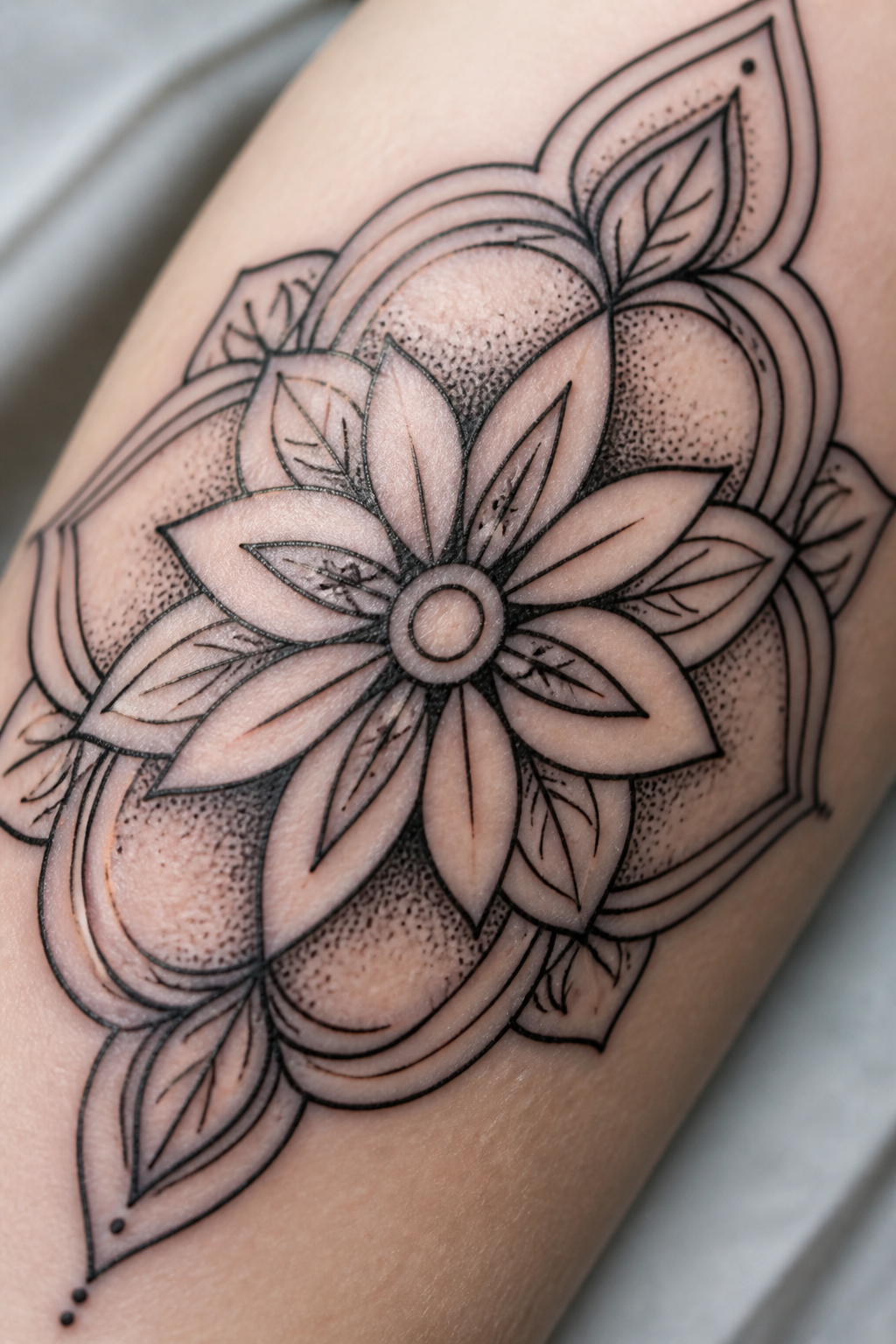
Blackwork is a formidable force in the industry, defined by its absolute rejection of color and its reliance on high-contrast saturation. Unlike styles that utilize gray shading to create depth, true blackwork uses solid blocks of carbon-black ink to define form and structure. This approach creates a striking visual impact that remains legible for decades, making it a favorite for those who value longevity and bold silhouettes.
The origins of this style are rooted in ancient tribal traditions, but modern blackwork has evolved into an experimental playground for graphic designers and illustrators. Today, the movement is championed by artists like Hanumantra Lamar, who pushes the boundaries of large-scale body flow, and Roxx, whose architectural approach to the human form has redefined how we perceive coverage. These artists treat the body as a canvas for structural enhancement rather than just a surface for decoration.
What makes blackwork recognizable is its sheer versatility. Within this sub-genre, you will find everything from heavy blackout sleeves that cover entire limbs to intricate linework inspired by 16th-century woodcut engravings. The key is the density of the pigment; the skin is either saturated with ink or left completely untouched to create negative space highlights. This creates a binary visual language that is both aggressive and sophisticated.
Choosing blackwork requires a commitment to the process, as the heavy saturation often demands a steady hand and a patient client. Because there are no gradients to hide behind, every line and solid fill must be executed with technical precision. If you are looking for a look that commands attention through stark minimalism and graphic power, this pillar of the tattoo world is the ultimate choice for your next piece.