
Mastering the Lower Limb: A Guide to Calf Tattoo placement
1 day ago
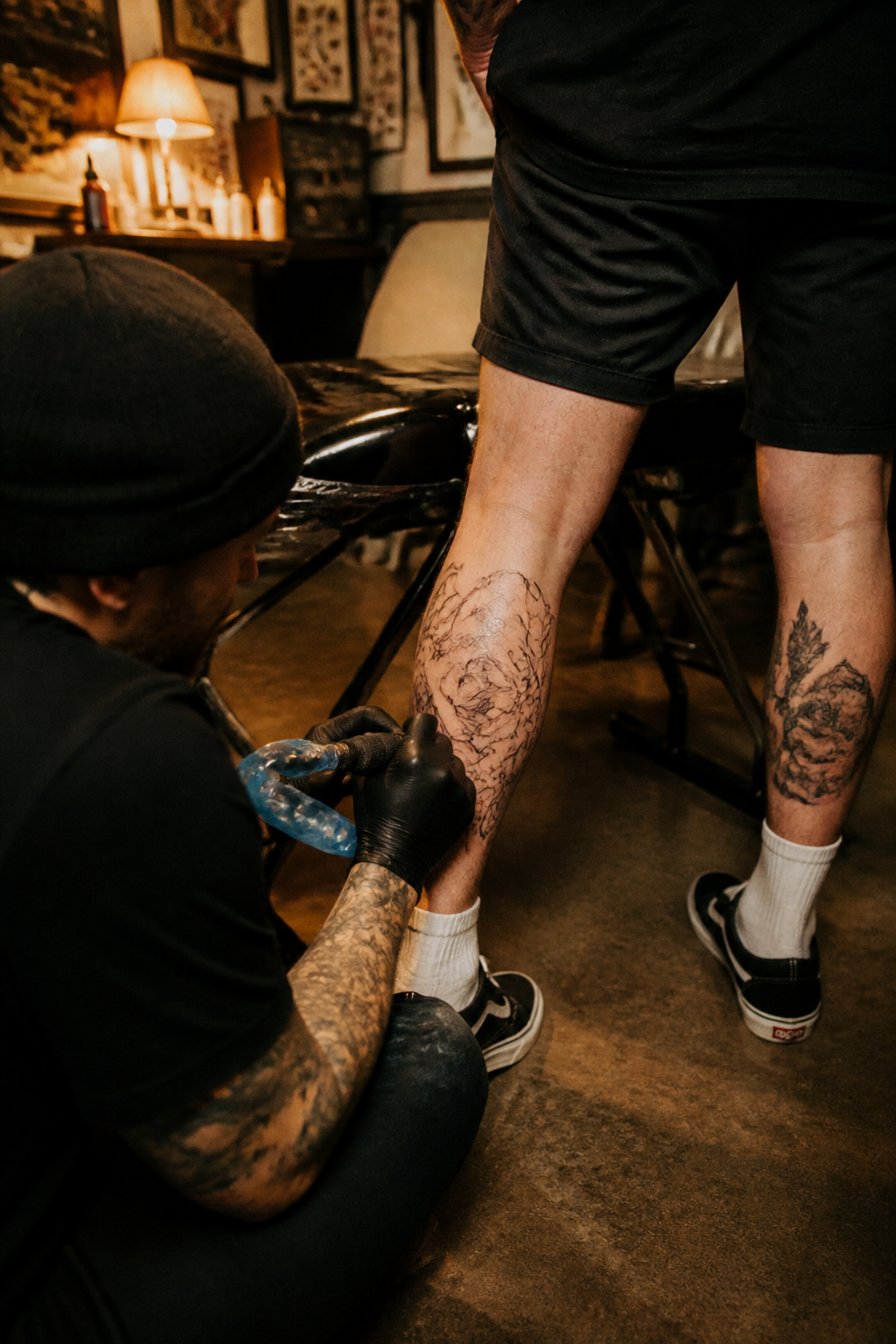
When considering your next piece, calf tattoo placement offers a unique balance of visibility and versatility. The calf provides a large, relatively flat canvas that is ideal for bold illustrative work or traditional pieces. Because the skin here is generally thicker and supported by muscle, it is often cited as one of the least painful areas to get tattooed, making it a favorite for long sessions.
Designing for this area requires an understanding of how the leg moves. The gastrocnemius muscle creates a natural curve that can distort linear designs if not mapped correctly. Successful artists will wrap the composition around the natural flow of the muscle, ensuring the artwork looks cohesive whether you are standing still or in mid-stride.
One of the biggest advantages of calf tattoo placement is how well it ages. Unlike the hands or feet, the lower leg isn't subject to constant friction or frequent sun exposure unless you are a year-round shorts wearer. This means colors stay vibrant and fine lines remain crisp for much longer than they might on high-mobility joints.
For those who need to maintain a professional appearance, the calf is easily concealed by trousers but remains a prime spot for showing off during the summer months. It acts as a natural extension of the body's movement, providing a dynamic backdrop for everything from heavy blackwork to vibrant neo-traditional pieces.
Preparation for this area is straightforward. Keep the skin hydrated and avoid heavy leg workouts for a few days before your appointment to prevent muscle swelling. A relaxed muscle allows the needle to penetrate more evenly, resulting in a cleaner application and a smoother healing process overall.