
Mastering the Logistics of Your Tattoo cover-up
4 months ago
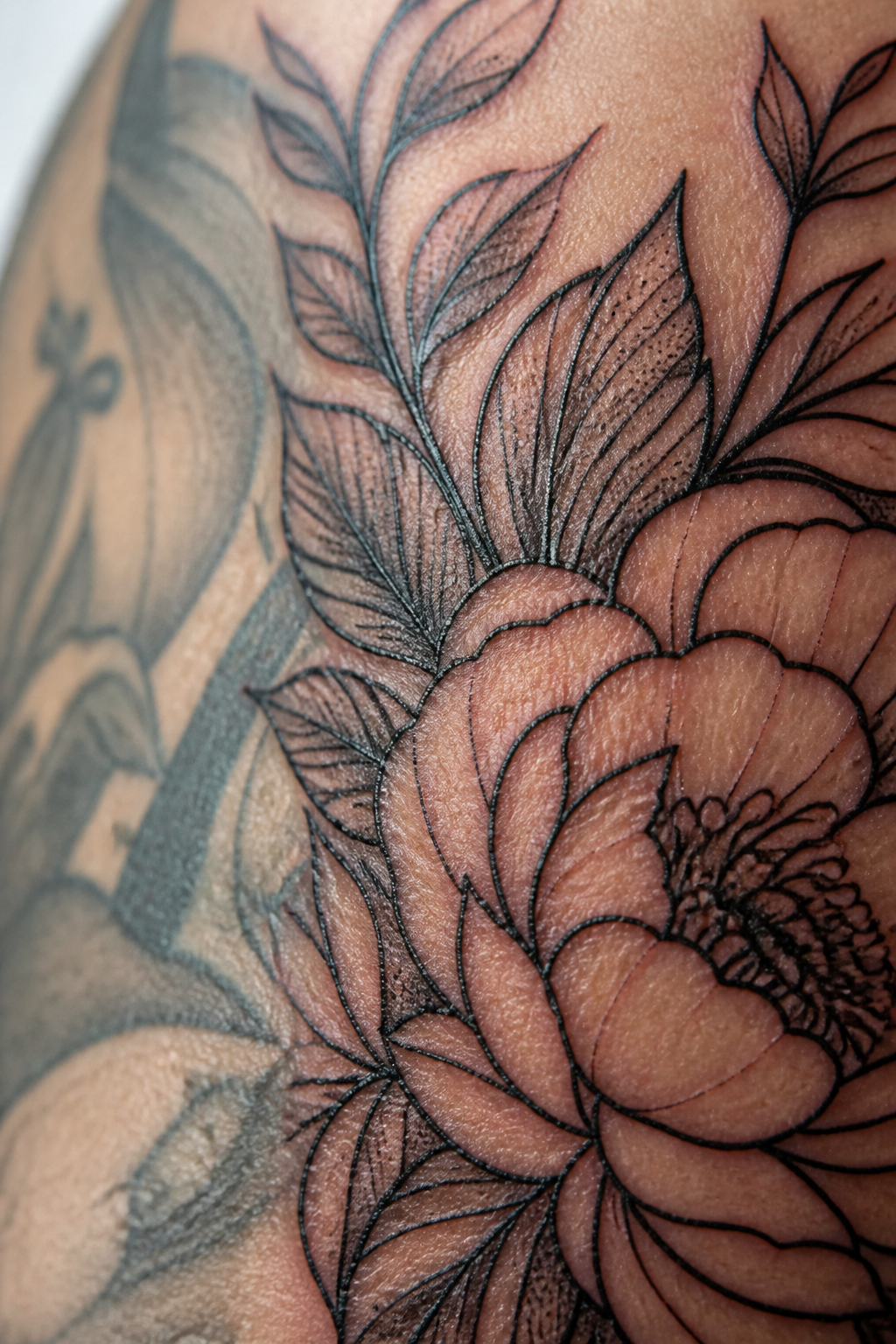
A successful tattoo cover-up is less about erasing the past and more about the art of redirection. Unlike a fresh piece of skin, a cover-up requires navigating existing scar tissue and deep-set pigments. Darker inks, particularly black and deep blue, cannot simply be swapped for lighter colors; instead, the new design must strategically utilize shadows and flow to mask the old work effectively.
Design strategy is the most critical component of the process. Experienced artists often lean into organic textures, such as heavy floral clusters or intricate mechanical patterns, to break up the silhouette of the original piece. Since ink is translucent, the old lines will eventually show through flat colors, making visual busy-ness and high contrast your best friends when hiding a mistake.
Sometimes, the original ink is too dark or dense for a clean transition. In these cases, opting for a few sessions of laser fade first can make a world of difference. Lightening the old piece doesn't mean you have to fully remove it; just lowering the saturation opens up a much wider range of color palettes and design styles for your new session, preventing the dreaded 'muddy' look.
Picking the right artist is the final piece of the puzzle. Not every world-class illustrator is a cover-up specialist. You need someone who understands color theory—specifically how the new pigment will chemically interact with the old ink underneath. Always ask to see portfolios specifically featuring 'before and after' shots to ensure they can handle the unique challenges of corrective work.