
Mastering the Forearm: A Practical Guide to Tattoo Placement
27 days ago
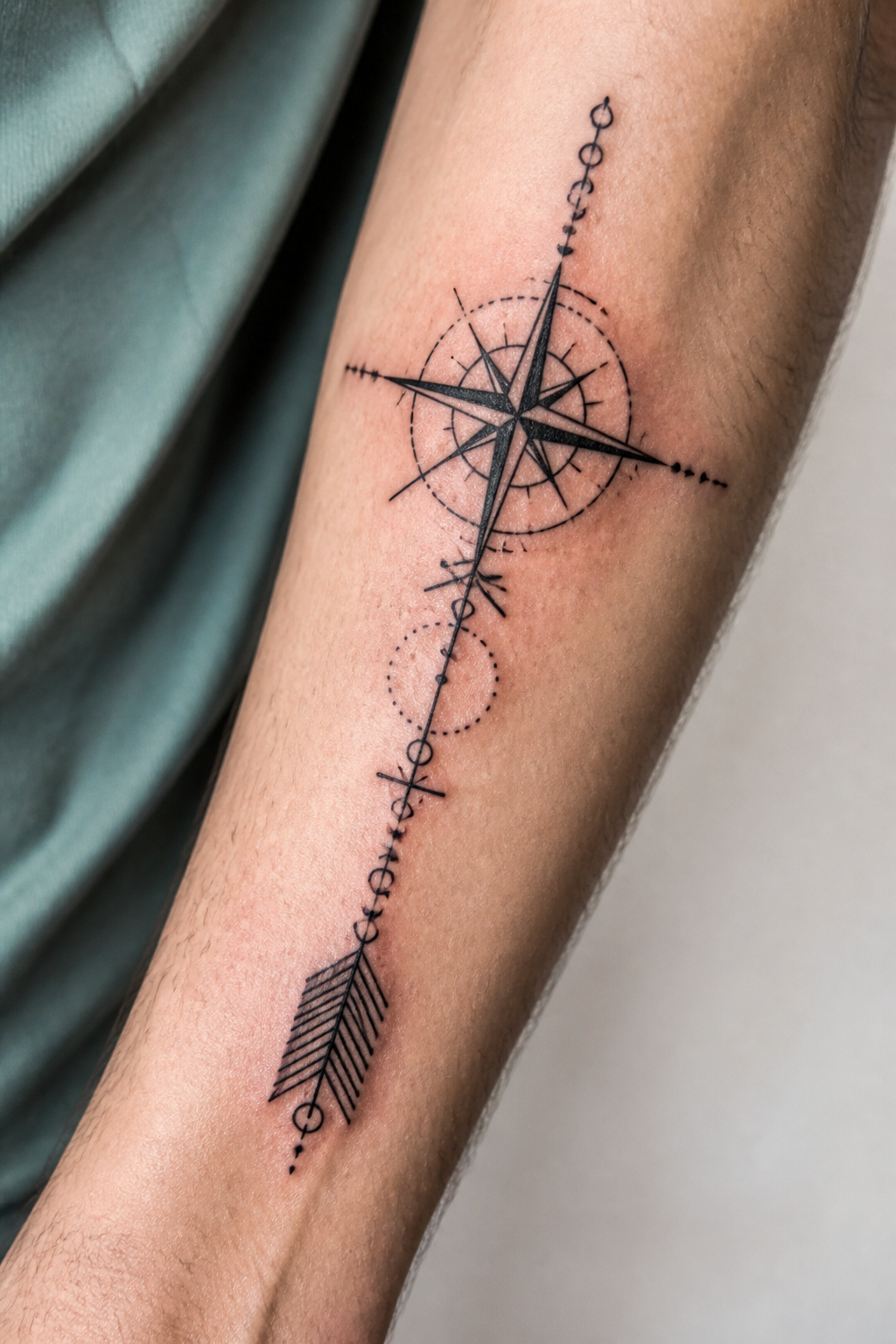
The lower arm remains one of the most popular canvases for a reason. When considering tattoo placement, the forearm offers a perfect balance of visibility and space. It provides a relatively flat surface compared to the ribs or shins, making it an ideal entry point for those looking to start a larger collection or a standalone statement piece.
Pain levels in this area are generally manageable, making it a favorite for long sessions. The outer forearm is particularly forgiving, while the inner wrist and the crook of the elbow tend to be more sensitive. Because the skin here is typically firm and experiences less drastic weight fluctuations than the torso, the ink tends to hold its shape exceptionally well over the decades.
Design plays a crucial role in how a piece interacts with the body. A skilled artist will consider the 'twist' of the arm; a straight line on a resting arm may curve when you reach for a door handle. Successful tattoo placement on the forearm accounts for this anatomical rotation, ensuring the artwork looks intentional whether your palm is facing up or down.
Sun exposure is the primary enemy of longevity for this specific location. Since the arms are often uncovered, consistent use of SPF is mandatory to prevent the lines from blurring and the pigments from fading. If you commit to basic skincare, a forearm piece can remain crisp and vibrant for a lifetime.
Finally, think about the flow toward the hand and elbow. Utilizing the natural taper of the arm allows for dynamic compositions that wrap slightly, creating a sense of depth. Whether you choose a bold traditional wrap or a fine-line illustrative piece, the forearm provides a high-contrast stage that is easy to show off or cover with a long sleeve when necessary.