
Mastering the Forearm: A Guide to the Perfect Tattoo Placement
16 days ago
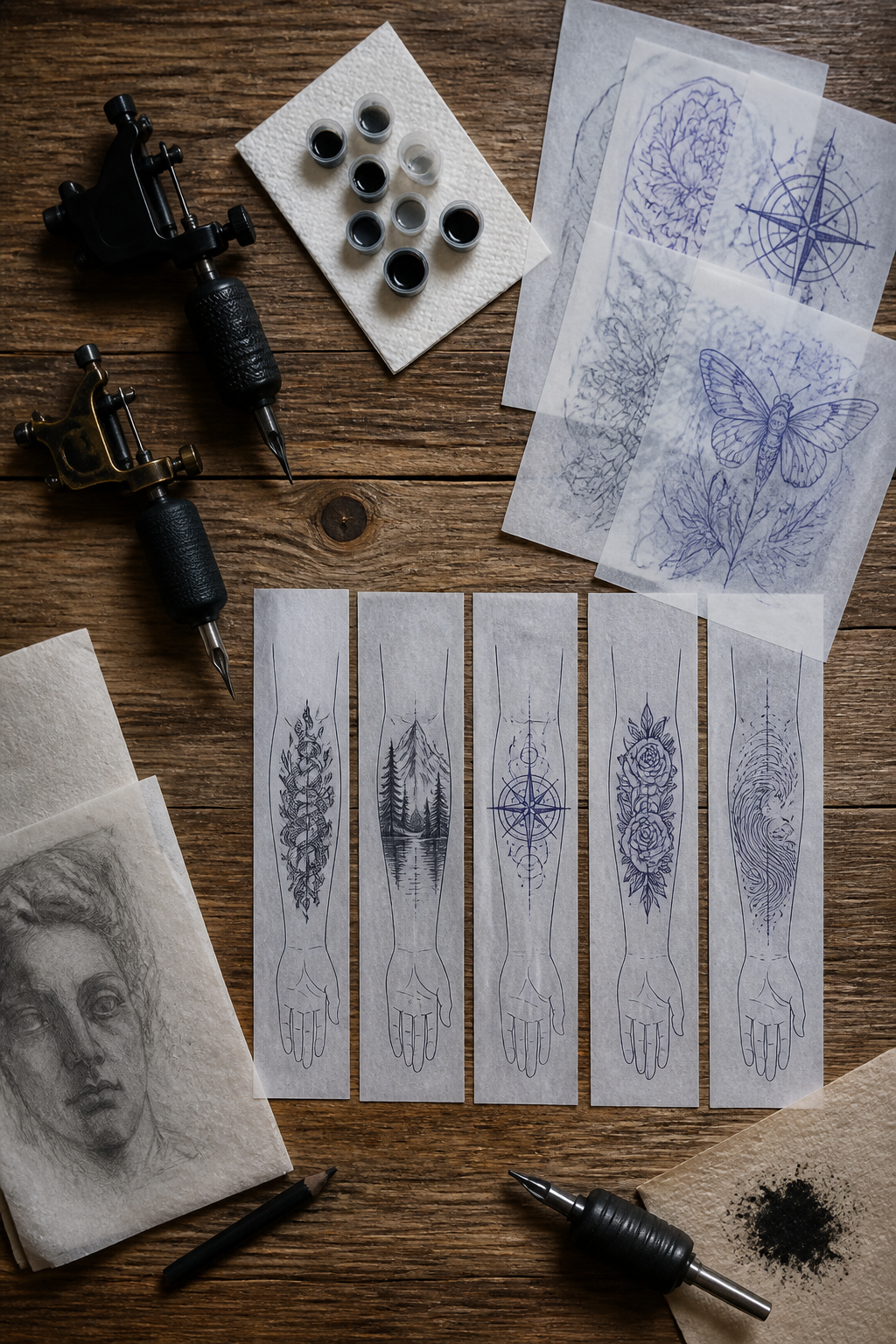
The outer forearm remains one of the most coveted spots for collectors because it offers a flat, expansive canvas that acts like a living gallery. Unlike other areas, this tattoo placement provides high visibility for the wearer, allowing you to appreciate the craftsmanship of your piece daily. It is widely considered the ideal location for medium-sized illustrative work or bold typography.
When it comes to the sensory experience, the forearm is generally rated low on the discomfort scale. The thick muscle and skin on the outer side provide a significant buffer against the needle, making it a perfect choice for those worried about endurance. However, as the design wraps toward the inner wrist or the crook of the elbow, sensitivity increases significantly due to thinner skin and proximity to nerves.
Designing for this specific tattoo placement requires an understanding of how the body moves. Because the radius and ulna bones twist when you rotate your hand, a straight line on a resting arm may appear curved when you move. Professional artists typically align designs with the natural flow of the forearm muscles to ensure the image looks cohesive whether your arm is relaxed or flexed.
Longevity is another major benefit of this area. The skin on the forearm tends to be resilient and experiences less dramatic fluctuations than the stomach or thighs. While sun exposure is a risk given the visibility, diligent use of sunscreen can keep the pigments sharp for decades. This durability makes it a smart investment for high-detail realism or intricate linework.
Compositionally, the forearm favors vertical designs. Elongated subjects like daggers, floral stems, or architectural elements utilize the space most effectively. Many enthusiasts start with a single focal piece here before expanding into a full sleeve, as the forearm serves as an excellent anchor for connecting future work.
Ultimately, successful forearm tattoo placement is about balancing visibility with anatomy. By working with the natural taper of your limb, you can transform a standard piece of art into a dynamic extension of your personal style. It remains a timeless choice that balances accessibility, comfort, and aesthetic impact.