Mastering the Forearm: A Guide to the Most Versatile Tattoo Placement
9 days ago
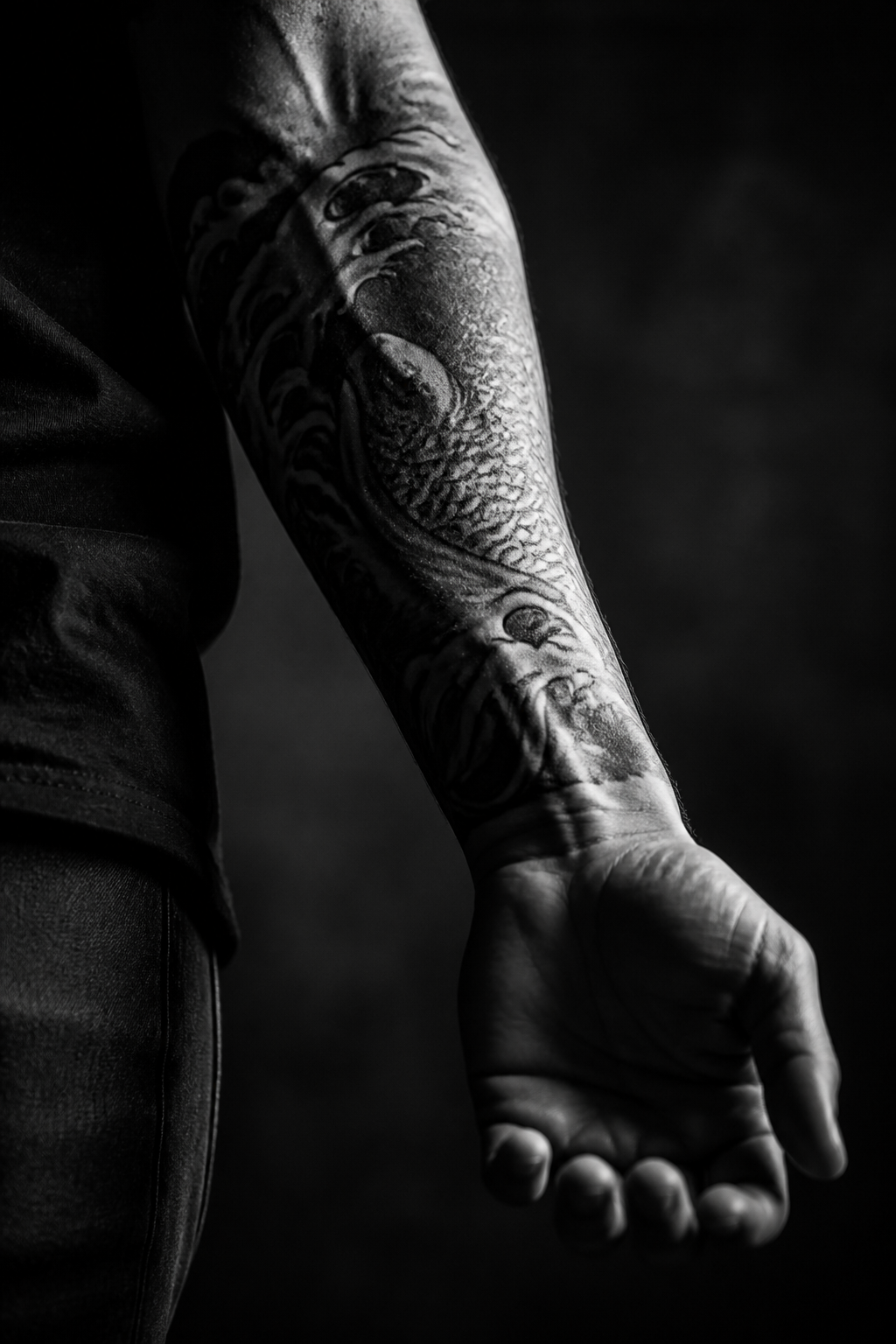
The forearm remains the most popular canvas in the industry for a reason. As a tattoo placement, it offers high visibility and a relatively flat surface, making it the ideal spot for both intricate detail and bold statements. Whether you are opting for the inner wrist area or the outer topside, this location allows your art to be seen easily without the need for mirrors.
When it comes to the pain factor, the forearm is generally considered one of the most manageable areas. The outer forearm, in particular, has thicker skin and more muscle, providing a duller sensation compared to bony regions. The inner forearm is slightly more sensitive due to softer skin and proximity to nerves, but it still ranks low on the overall pain scale for most collectors.
Designing for this specific tattoo placement requires an understanding of how the body moves. Because the radius and ulna bones twist when you turn your hand, a straight line on a resting arm might look curved when you move. Professional artists typically align designs with the natural flow of the musculature to ensure the image looks coherent regardless of your arm's position.
Longevity is another major benefit of this location. Unlike areas prone to high friction or constant stretching, the skin on the forearm tends to age gracefully. While sun exposure is a risk due to the visibility of the arm, consistent use of sunscreen will keep your pigments looking sharp and saturated for decades.
For those planning a future sleeve, the forearm serves as an excellent anchor point. You can start with a standalone piece and gradually build upward toward the elbow and shoulder. This flexibility makes it a strategic choice for collectors who want to expand their ink collection over time without committing to a full limb project immediately.
Ultimately, selecting the forearm for your tattoo placement balances comfort with impact. It is a prime location for showcasing technical skill, from fine-line scripts to heavy blackwork. By working with the natural taper of your limb, you can create a piece of art that feels like an organic extension of your own body.