
Mastering the Flow: A Japanese Irezumi Tattoo Styles Guide
2 months ago
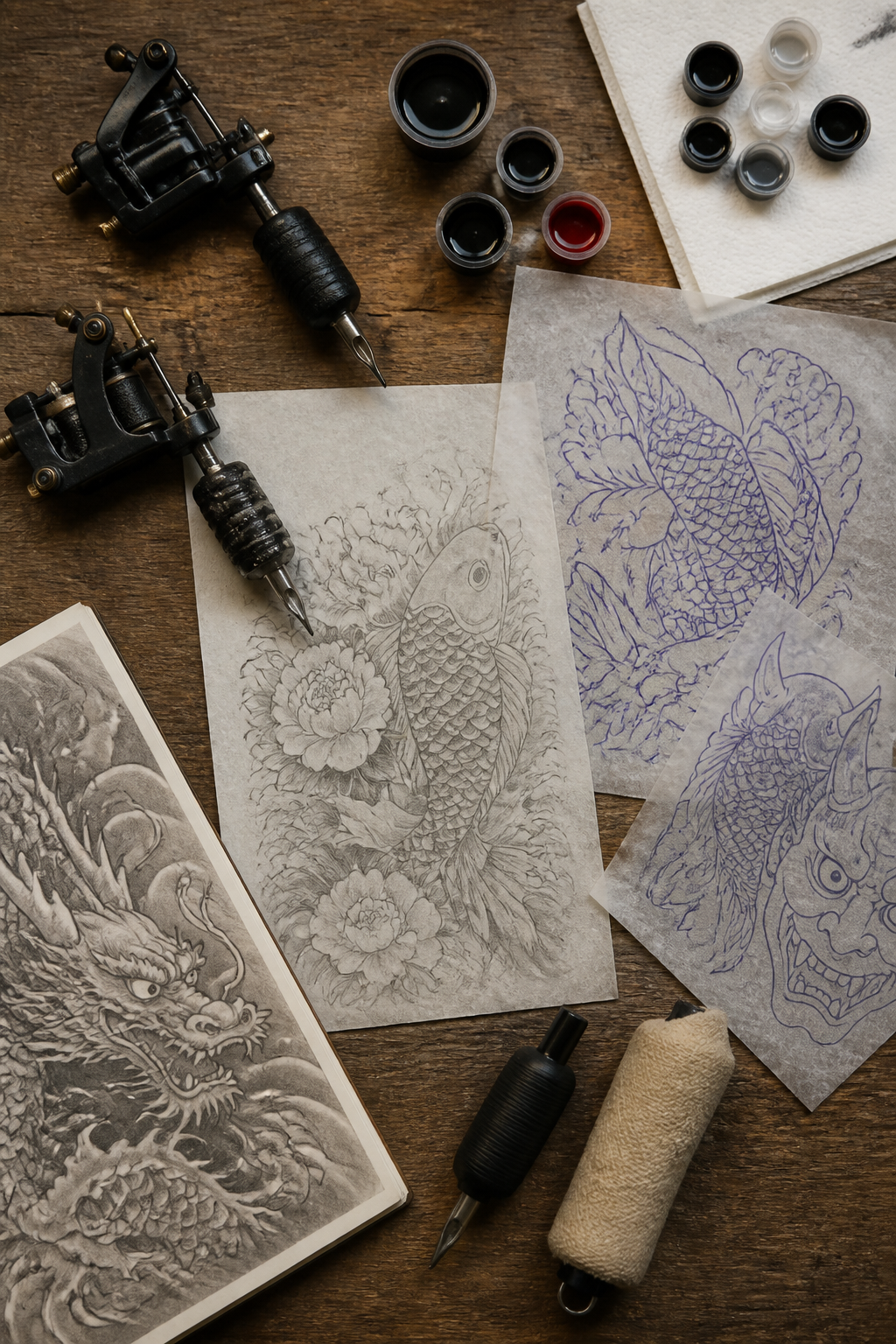
Japanese irezumi stands as one of the most respected pillars in any tattoo styles guide. This ancient art form evolved significantly during the Edo period, transitioning from a mark of punishment to a sophisticated display of status and storytelling. Its longevity is a testament to the meticulous techniques passed down through generations of master artists known as Horishi, who often spent decades perfecting their craft.
What makes this style immediately recognizable is its use of 'Gakuryu' or background elements. Clouds, waves, and wind bars aren't just fillers; they act as a framework that ties the entire body together. Unlike Western styles that often treat the skin as a canvas for isolated stickers, irezumi treats the human anatomy as a unified landscape, where the flow of the design follows the natural musculature.
Key imagery in this style often includes legendary figures, warriors, and powerful creatures like dragons or phoenixes. These are frequently paired with seasonal flora, such as cherry blossoms for spring or maple leaves for autumn. The balance between the primary subject and the dark, rhythmic background creates a high-contrast visual that remains legible and vibrant even decades after the ink has settled.
Legends like Horiyoshi III have brought this traditional style into the modern global consciousness. While contemporary artists now use machines to achieve faster results, the foundational principles of composition remains unchanged. The heavy saturation of blacks and the bold, saturated color palettes ensure that these pieces stand the test of time against the elements.
For those looking to commit to a large-scale project, understanding the flow is vital. A backpiece or a full bodysuit in this tradition is considered a lifetime journey. It requires a deep appreciation for heritage and a willingness to embrace a design that wraps and moves with the body, creating a living piece of art that looks as good in motion as it does in a still photograph.
Whether you are a new enthusiast or a seasoned collector, no tattoo styles guide is complete without acknowledging the impact of Japanese traditions. It remains a gold standard for technical execution and compositional harmony, influencing almost every other genre of tattooing practiced today.