
Mastering the Craft: A Japanese Irezumi Tattoo Styles Guide
28 days ago
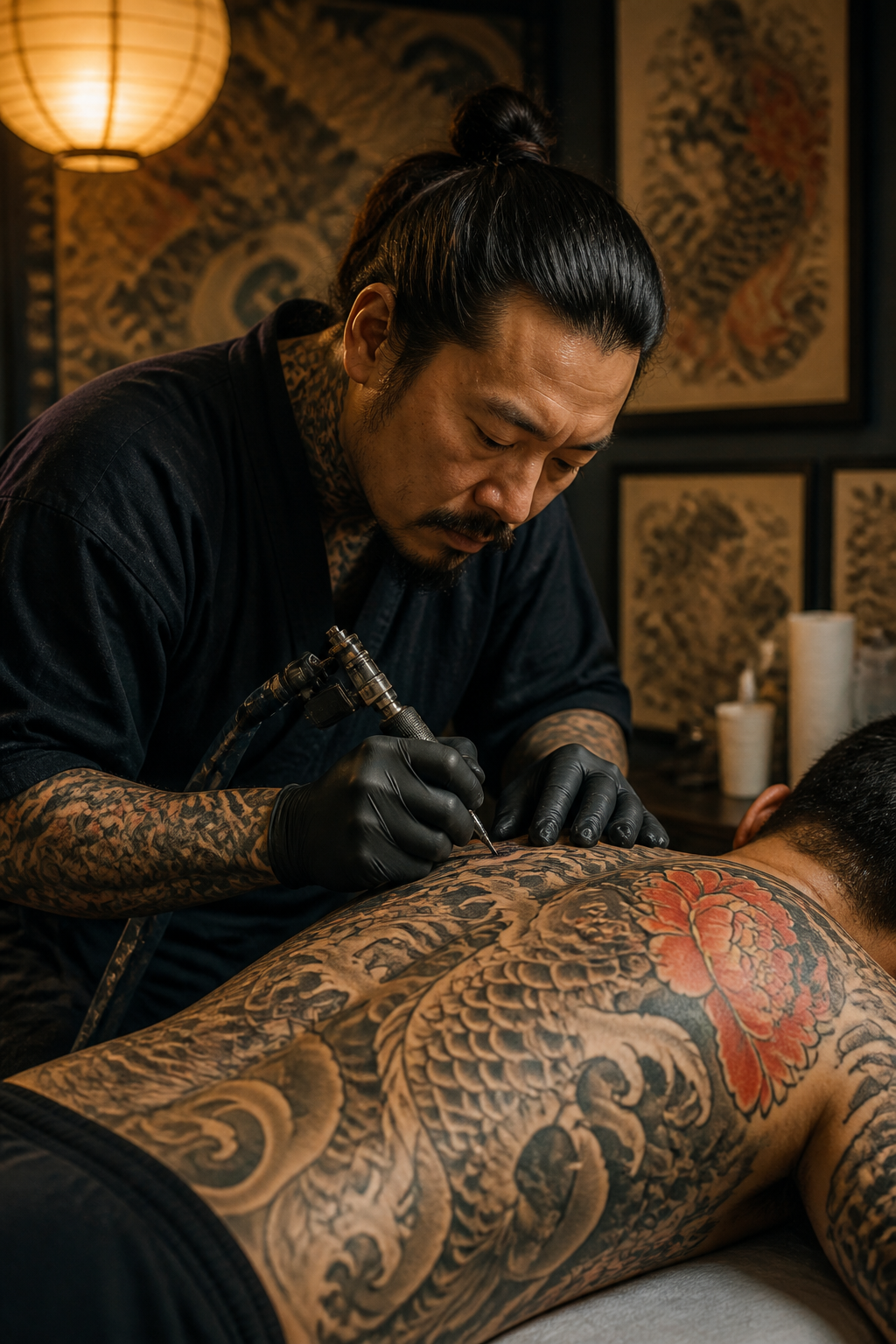
Japanese Irezumi is more than just ink; it is a centuries-old discipline that stands as a cornerstone of any comprehensive tattoo styles guide. Rooted in the Edo period, this style evolved from woodblock prints (ukiyo-e) into a sophisticated form of body suits. Recognizable by its bold outlines and massive scale, Irezumi is designed to follow the natural musculature of the body, creating a living piece of art that moves with the wearer.
The hallmarks of this style are its distinctive background elements—wind bars, crashing waves, and cherry blossoms—that stitch individual motifs together. Unlike Western styles that often treat the skin as a flat canvas for isolated images, Irezumi views the human form as a continuous landscape. This fluid approach to composition is what makes Japanese work so timeless and visually striking even from a distance.
Key figures like the legendary Horiyoshi III have kept the traditional tebori (hand-poked) methods alive while influencing modern machine artists. The technical precision required for solid black backgrounds and smooth color gradients in peonies or koi fish sets a high bar for practitioners. It demands an understanding of both heavy saturated blacks and vibrant, long-lasting pigments.
When choosing this path, collectors should look for artists who understand the flow of 'Gakuryo' or the background structure. A proper tattoo styles guide will emphasize that Irezumi is a commitment to large-scale storytelling. Whether it is a half-sleeve or a full back piece, the imagery is intended to be powerful, legible, and respectful of the craft’s historical lineage.