
Mastering the Concealment: The Realistic Mechanics of a Tattoo cover-up
14 hours ago
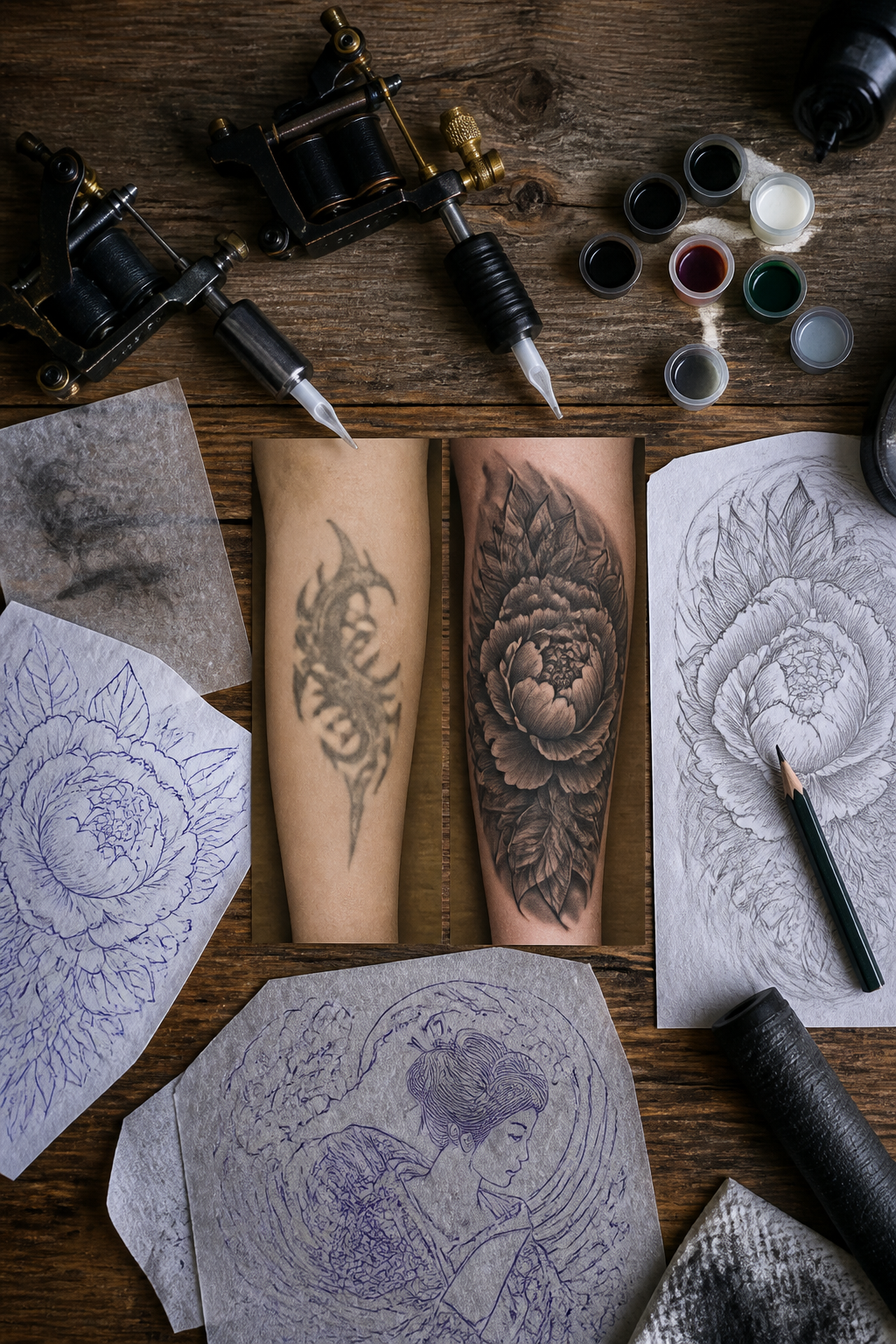
Getting a Tattoo cover-up is not as simple as painting a new wall; it is a complex chemical interaction between two layers of pigment. Because tattoo ink is translucent, the old design acts like a base color that will eventually show through if not handled correctly. To achieve a successful concealment, artists must utilize darker tones, increased saturation, and busy textures to trick the eye away from the underlying silhouette.
Strategy is everything when approaching a rework. A skilled artist will look for ways to integrate the existing lines into the flow of the new piece rather than just trying to slap a solid block of black over it. Deep blues, purples, and dark greens are the heavy hitters in this field, as they provide the density needed to mask stubborn black outlines from the past.
In some cases, the old ink is simply too dark or raised to be hidden immediately. This is where a laser fade becomes a vital preliminary step. Just two or three sessions of laser removal can lighten the old pigment enough to expand your design options significantly, allowing for lighter colors or more open space in the new composition that wouldn't have been possible otherwise.
Design choice is the next hurdle. Large-scale imagery with organic shapes, such as deep floral arrangements or heavy illustrative work, tends to perform better than geometric patterns. Precise straight lines are difficult to pull off during a cover-up because the old ink can cause visual distortions that break the illusion of the new structure.
Picking the right specialist is the final piece of the puzzle. Not every talented tattooer is an expert at concealment. You need someone who understands color theory at an advanced level and knows how ink settles over time. Ask to see healed photos of their previous cover-up work to ensure the old design hasn't ghosted back to the surface after six months.
Ultimately, a successful transformation requires compromise and trust. You may have to go larger than originally planned to ensure the old piece is fully eclipsed. By following a strategic approach and respecting the limitations of the medium, you can turn a source of regret into a bold piece of wearable art that looks intentional rather than accidental.