Mastering the Color Realism Tattoo Styles Guide
1 month ago
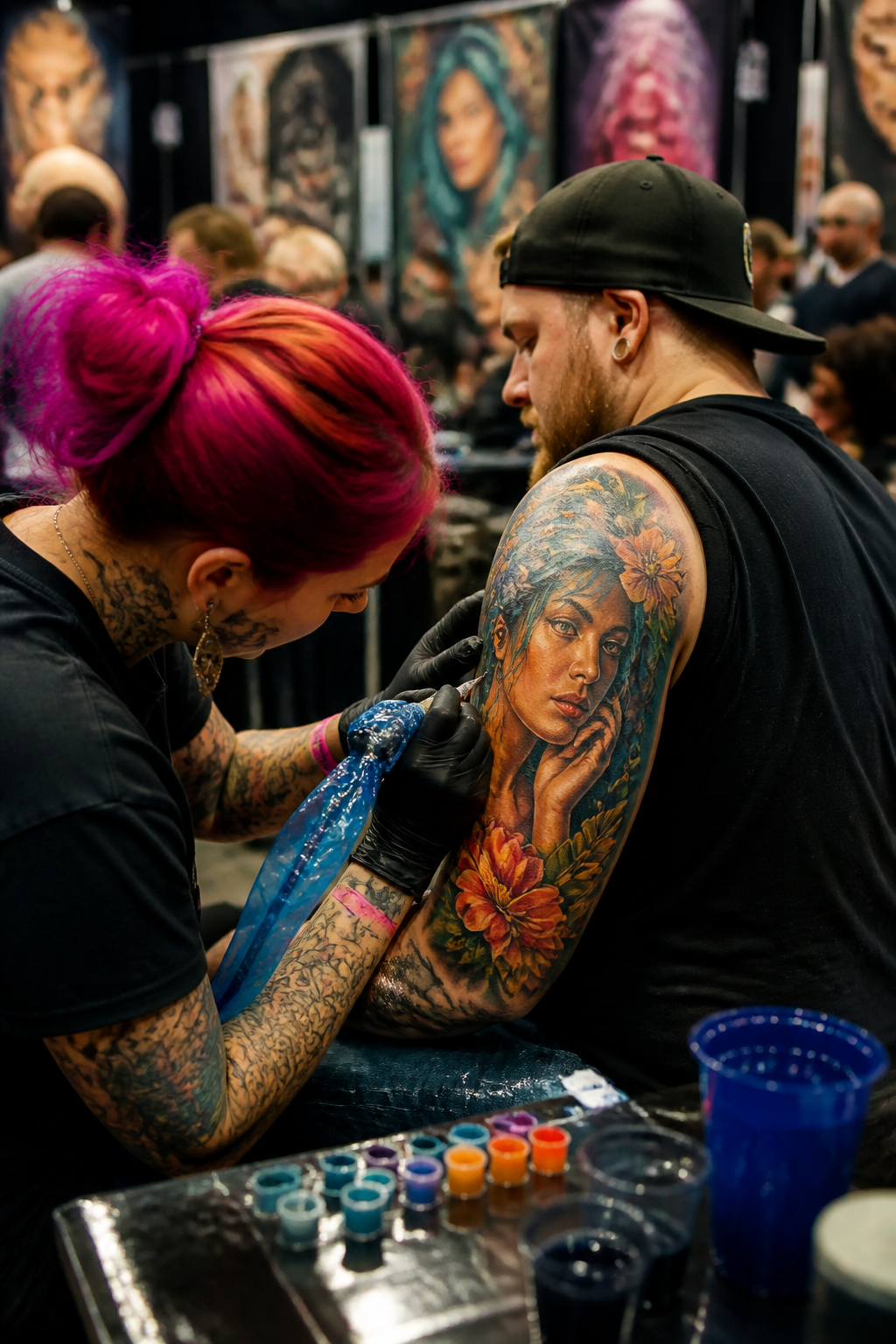
Color realism stands as one of the most technically demanding categories in any tattoo styles guide. Unlike traditional methods that rely on heavy black outlines, this style uses transitions of hue and value to define shapes. The goal is to replicate the appearance of a high-resolution photograph, capturing every subtle light reflection and skin texture with needle and ink.
The origins of this movement can be traced back to the late 20th century as equipment and pigment chemistry evolved. Pioneers like Nikko Hurtado revolutionized the scene by applying classical oil painting techniques to the medium of skin. By layering colors from dark to light, these artists achieved a level of three-dimensionality that was previously thought impossible in the industry.
Key characteristics of a color realism piece include smooth gradients, a lack of visible linework, and an intense focus on light sources. To master this look, an artist must have a deep understanding of color theory, knowing exactly how a specific red will heal against various skin tones. The result is a piece that appears to sit on top of the skin rather than within it.
Longevity is a common topic when discussing this entry in a tattoo styles guide. Because the style lacks the 'black walls' of traditional work, saturation is the key to durability. High-contrast compositions with deep shadows ensure that the image remains legible and vibrant as the years pass, preventing the soft details from fading into a blur.
Today, the style has branched into sub-genres like botanical realism and cinematic portraiture. Whether it is a dewdrop on a rose petal or the weathered skin of a movie icon, the precision required is immense. It remains a top choice for collectors who want their ink to serve as a literal window into another reality, bridging the gap between fine art and body modification.