Mastering the Canvas: How a Tattoo Cover-up Really Works
2 months ago
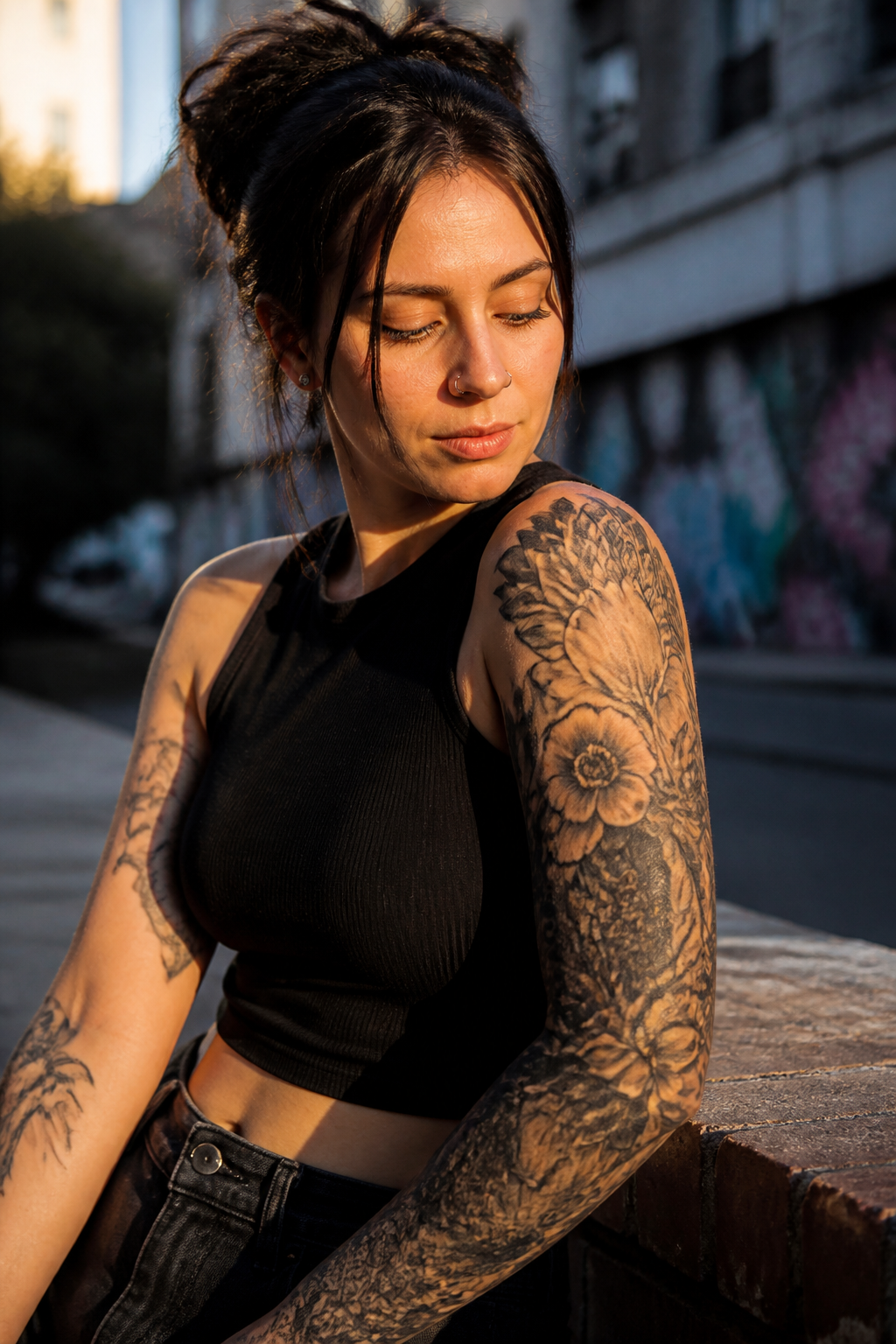
A successful tattoo cover-up is less about erasing the past and more about strategic camouflage. Unlike a fresh canvas, the skin already contains pigment, meaning your artist must work with existing shapes and tones. This process requires a deep understanding of color theory, as new ink doesn't simply sit on top of the old; it blends within the dermis to create a brand-new shade.
Design strategy is the most critical element of the process. Artists often use busy patterns, high-contrast textures, and deep saturation to draw the eye away from the old lines. Organic shapes like floral arrangements or detailed mechanical designs are popular choices because their irregular edges can easily mask the rigid structure of a previous piece.
Not every old piece is a candidate for an immediate overhaul. If the original ink is too dark or scarred, your artist might recommend a few sessions of laser fading first. Lightening the old work significantly expands your design options, allowing for a broader color palette and more negative space in the final tattoo cover-up.
Choosing the right artist is the final piece of the puzzle. Cover-up work is a specialized skill set that differs from standard tattooing. You need someone with a portfolio that shows clear 'before and after' transitions, proving they can manage composition and ink flow without the finished product looking like a muddy, unrecognizable blob.
Ultimately, patience is key to a transformation you'll love. By respecting the limitations of the medium and working with a specialist, you can turn a source of regret into a professional piece of art that looks intentional rather than like a desperate fix.