
Mastering the Blur: The Reality of a Tattoo cover-up
2 months ago
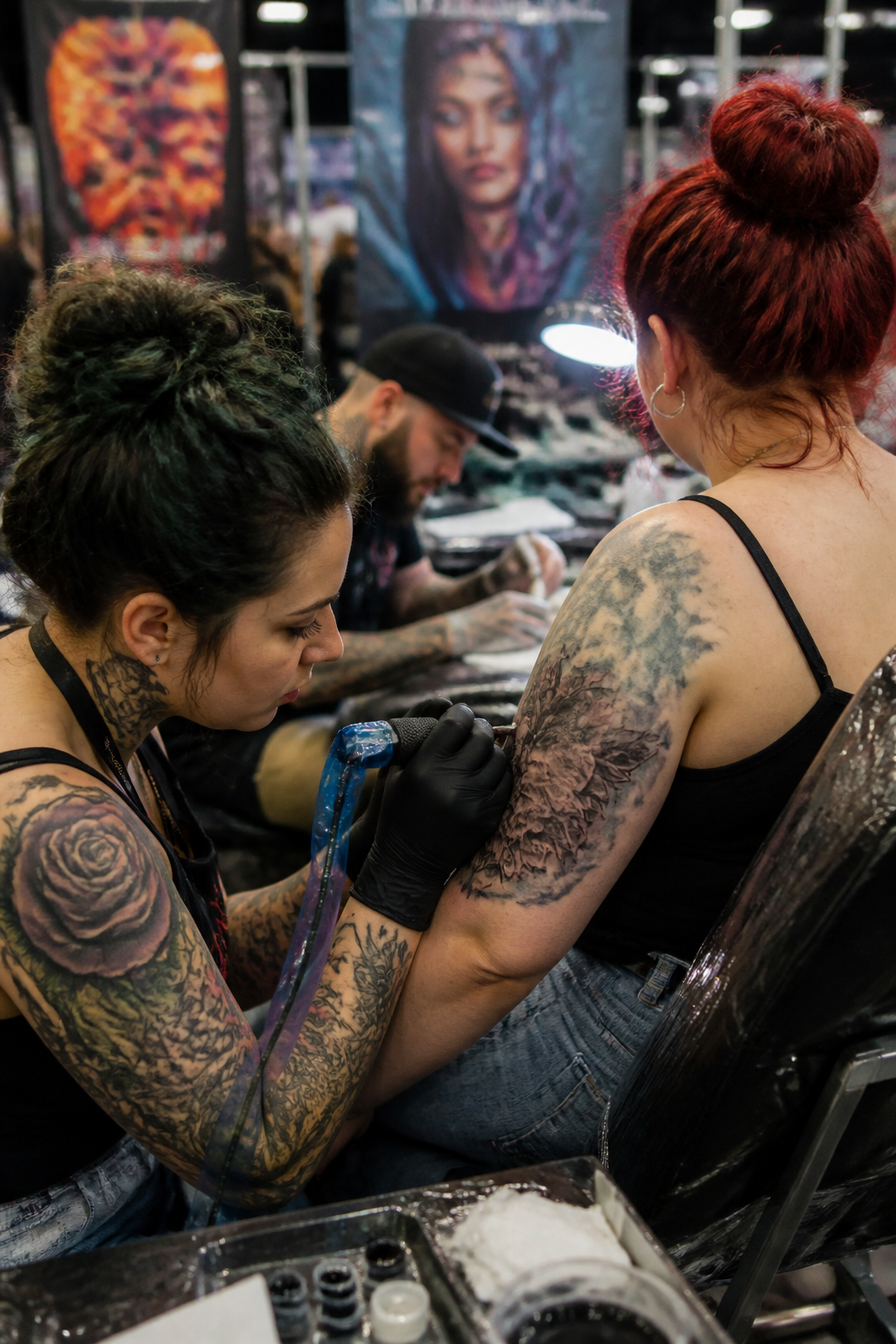
A successful Tattoo cover-up is less about magic and more about the science of color theory. When you place new ink over an old design, the pigments do not sit on top of each other; they mix within the dermis. This means a yellow flower cannot simply be painted over a black tribal mark. Instead, artists must use darker, more saturated tones like deep blues, magentas, or blacks to effectively mask the original piece.
Design strategy is the most critical element of the process. Rather than trying to hide the old ink under a solid block of color, experienced artists use texture and detail to distract the eye. Complex patterns, organic flow, and high-contrast shading help break up the silhouette of the unwanted tattoo, making it nearly invisible to the casual observer.
In some cases, a Tattoo cover-up requires a 'clean slate' approach. If the original ink is too dark or the lines are too blown out, many professionals recommend two or three sessions of laser fading first. Lightening the old piece significantly expands your options for the new design, allowing for lighter colors and more intricate details that wouldn't be possible on a saturated canvas.
Selecting the right artist is the final piece of the puzzle. Not every talented tattooer is skilled at covering existing work. You need someone who understands depth, composition, and how skin reacts to multiple layers of pigment. Always review a portfolio specifically for healed cover-up transitions to ensure the old design doesn't 'ghost' through the new art after it has fully settled into the skin.