
Mastering the Blur: The Engineering of a Tattoo cover-up
13 days ago
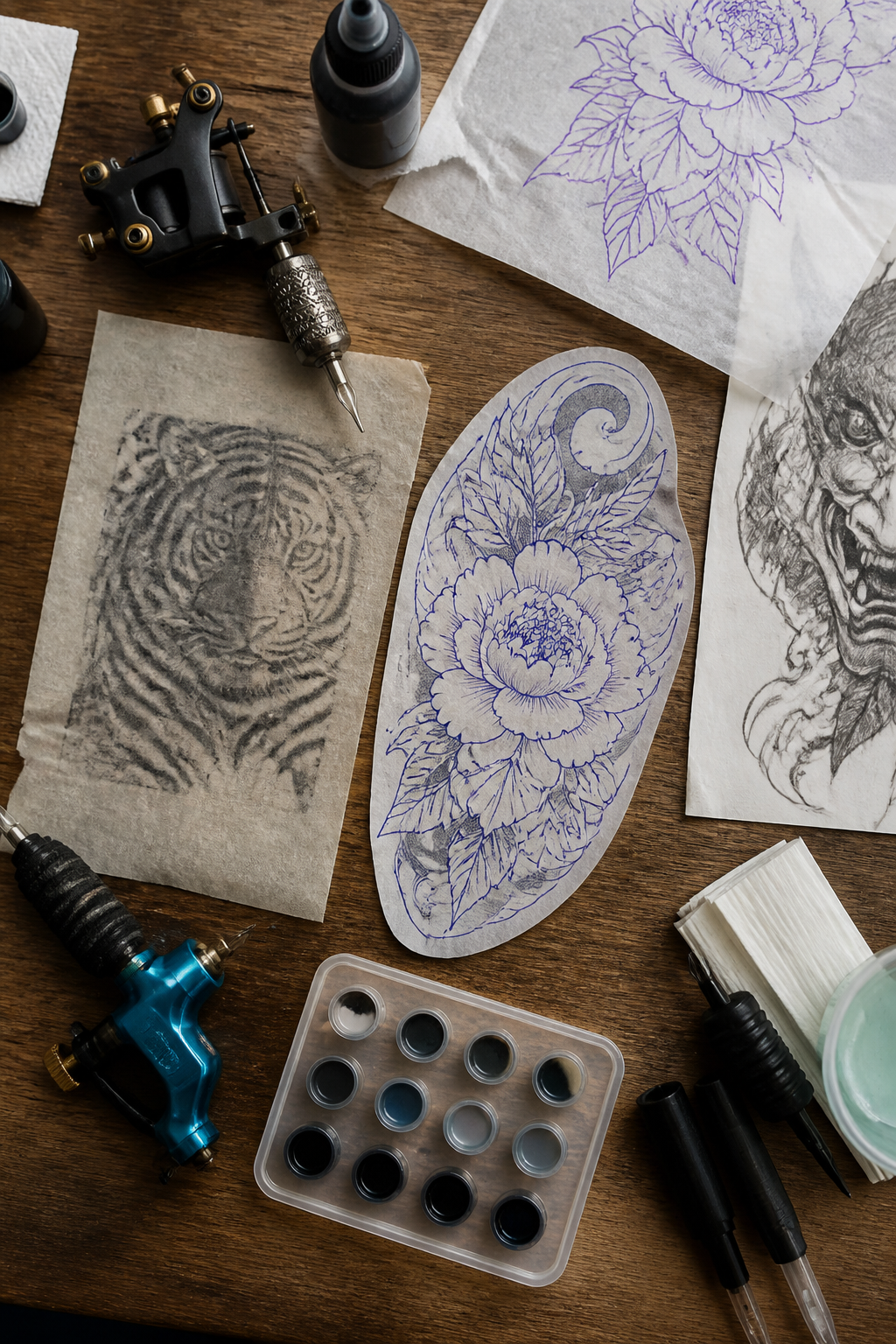
A successful Tattoo cover-up is less about hiding and more about distraction. Many clients assume that adding skin-toned ink over an old design will act like concealer, but tattoo ink is translucent. Instead of masking the old pigment, a skilled artist blends the existing lines into a new, more complex composition that tricks the eye into seeing only the new art.
Design strategy is the most critical component of the process. To effectively obscure dark lines, artists typically utilize saturated colors, heavy shading, or intricate textures like feathers, fur, and foliage. Flowing organic shapes are often preferred over geometric patterns, as they allow for more flexibility when aligning new contours with the old, stubborn ink underneath.
Not every old piece is an immediate candidate for a fresh start. If the original work is heavily scarred or contains thick, saturated black ink, a few sessions of laser removal may be recommended first. Fading the piece significantly expands the design options, allowing for lighter colors and more negative space in the final result rather than being forced into a massive, dark block of color.
Choosing the right professional is vital, as this niche requires a deep understanding of how pigments interact within the skin. You need an artist who understands 'cool' versus 'warm' tones; for example, using a deep blue to neutralize an old orange-tinted faded piece. Ask to see a portfolio specifically featuring healed before-and-after shots to ensure their work stands the test of time.
Expect a Tattoo cover-up to be larger than the original piece. To fully draw the eye away from the old boundaries, the new artwork must extend beyond the previous borders. This creates a new visual flow that makes the original tattoo virtually undetectable to the untrained eye.
Ultimately, patience is your best tool. Rushing into a fix without a solid plan often leads to a 'double cover-up' situation later on. By collaborating with a specialist and potentially prepping the skin with laser, you can turn a source of regret into a permanent piece of high-quality art you are proud to display.