
Mastering the Art of the Tattoo cover-up
3 hours ago
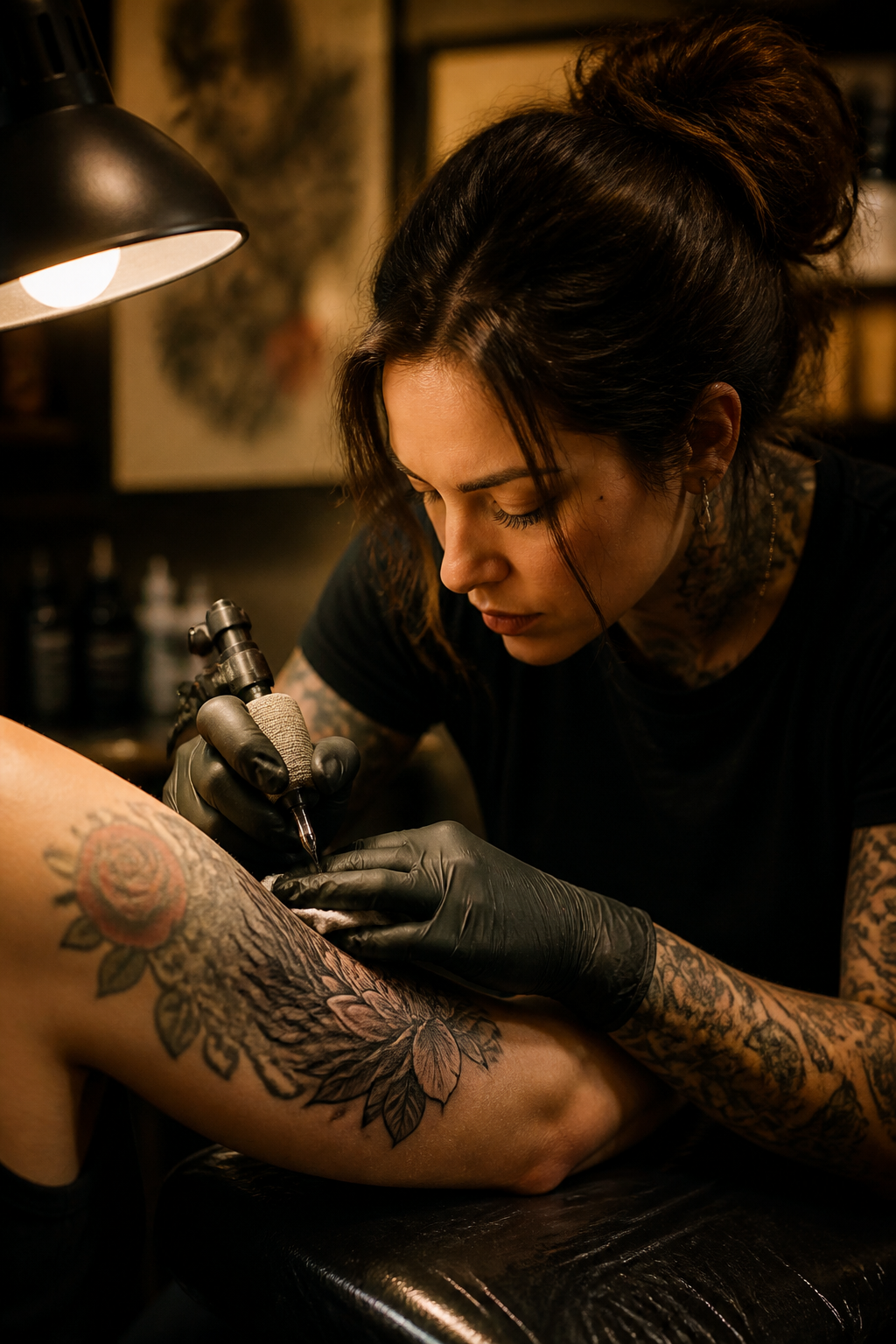
A successful tattoo cover-up is less about hiding a mistake and more about strategic visual deception. Unlike a fresh canvas, a cover-up artist must work with existing pigment already trapped in the dermis. This means the new design needs to be larger, darker, and more saturated than the original to ensure the old lines don't peek through as the skin heals.
Design strategy is the most critical component of the process. Artists often use complex textures, such as heavy shading or intricate organic patterns, to distract the eye from the old silhouette. Cold colors like deep blues, purples, and dark greens are generally more effective at neutralizing old black ink than warmer tones like yellow or orange.
Not every old piece is an immediate candidate for a fresh layer of ink. If your existing tattoo is excessively dark, scarred, or raised, a specialist might recommend a few sessions of laser fading first. Lightening the old pigment expands your design options significantly, allowing for a broader color palette and more negative space in the final result.
Choosing the right artist is the final piece of the puzzle. Cover-up work requires a specific understanding of color theory and skin depth that differs from standard tattooing. Look for a portfolio that showcases 'before and after' shots in natural lighting to ensure the old ink is truly integrated and not just buried under a muddy mess.
Communication during the consultation is vital for setting realistic expectations. A professional will be honest about what is achievable based on your skin's current state. By respecting the technical limitations and trusting a seasoned pro, you can turn a source of regret into a stunning piece of wearable art.