
Mastering the Art of the Tattoo cover-up
16 days ago
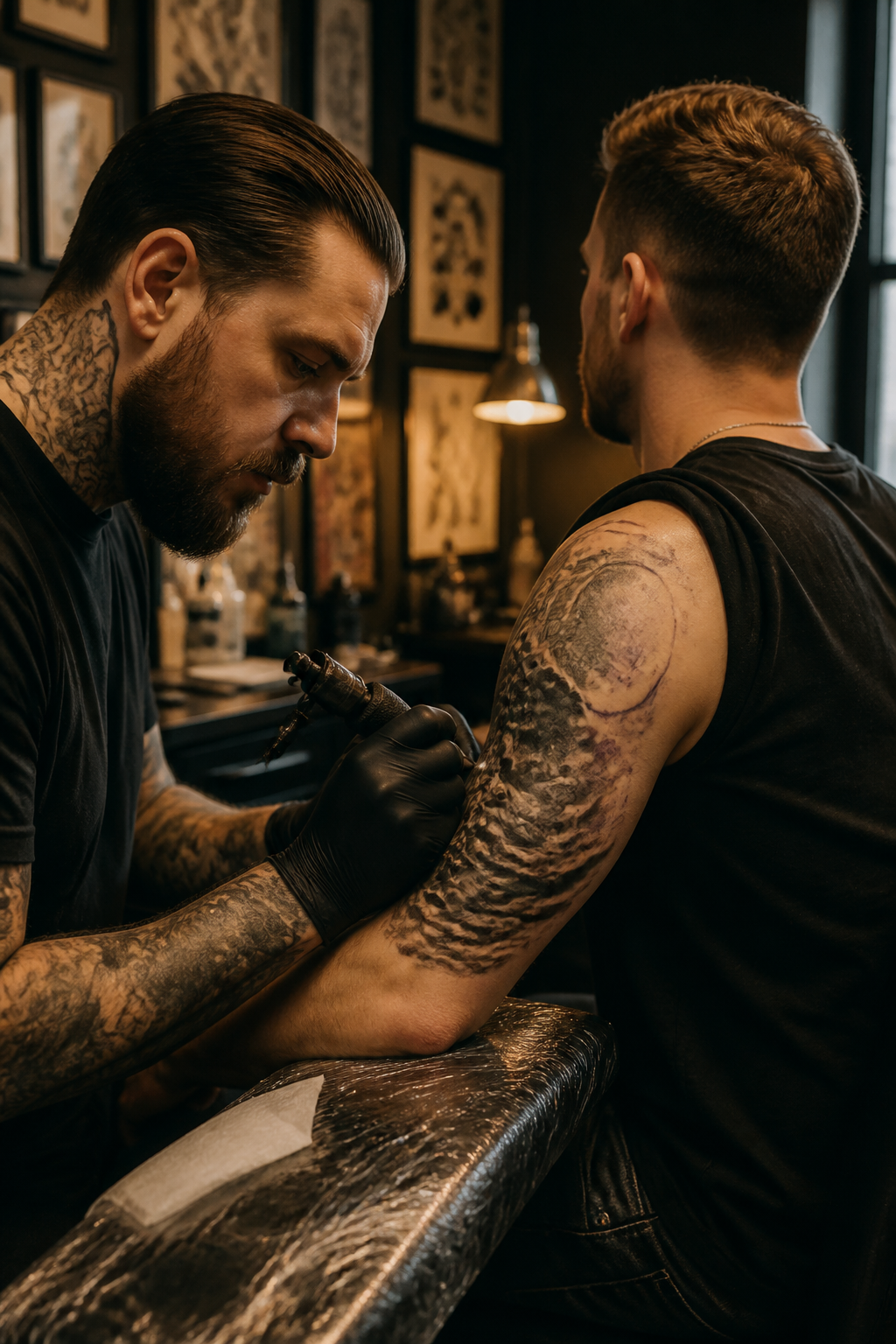
A successful Tattoo cover-up is less about erasing the past and more about the art of redirection. Unlike a fresh piece of skin, a cover-up requires a strategic approach where the new design works in harmony with the existing pigment. The goal is to camouflage the old lines by using dense saturation, dark values, and complex textures that trick the eye into focusing on the new imagery.
Design strategy is the most critical component of this process. You cannot simply place any image over an old one; the new tattoo typically needs to be significantly larger than the original. Traditional styles, bio-organic textures, or high-contrast illustrative work are often preferred because they allow for the heavy shading necessary to mask the ghost of the previous work effectively.
Limitations are a reality in the world of reclamation. Light colors like yellow, sky blue, or white will rarely cover a dark black outline. Instead, artists rely on cool tones like deep blues, magentas, and forest greens to neutralize the underlying ink. If your existing piece is exceptionally dark or raised, a specialist may recommend a few sessions of laser fading first to broaden your design options.
Choosing the right artist is the final piece of the puzzle. Cover-ups require a specific understanding of color theory and skin anatomy that differs from standard tattooing. Look for a portfolio that showcases clear 'before and after' photos, paying close attention to how the artist utilizes negative space and flow to distract from the old silhouette. With the right professional, your unwanted ink becomes nothing more than a memory.