Mastering the Art of the Tattoo cover-up
17 hours ago
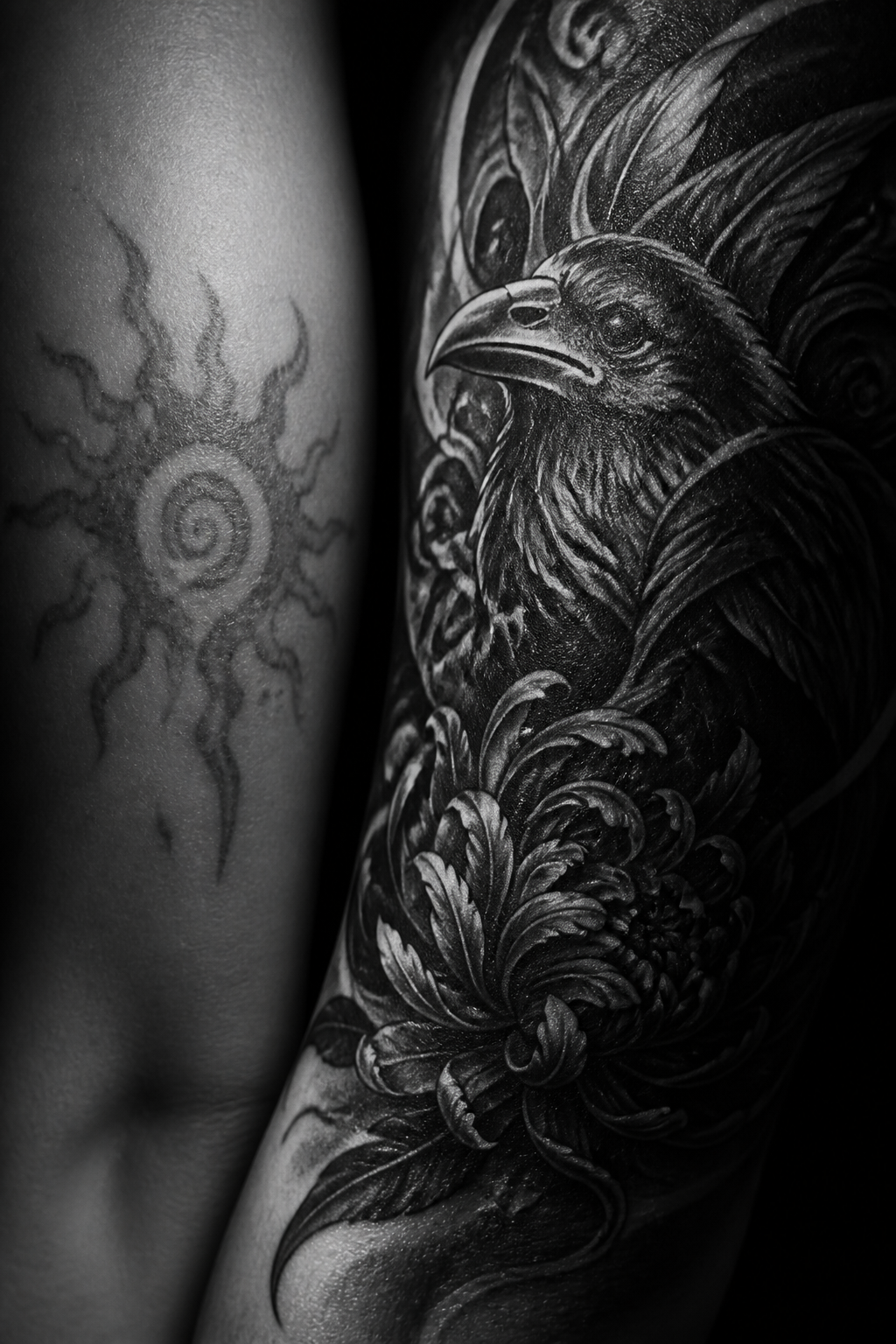
A successful Tattoo cover-up is less about erasing the past and more about strategic camouflage. Unlike a fresh canvas, an existing piece dictates the flow, saturation, and color palette of the new design. To effectively hide old ink, artists must use darker tones and high-detail textures to distract the eye, ensuring the original lines remain invisible beneath the new layers.
Design strategy is the most critical element of the process. Simply slapping a solid block of black ink over an old piece rarely works; instead, artists utilize organic shapes, deep shadows, and complex patterns to break up the silhouette of the previous tattoo. Elements like thick floral petals, mechanical gears, or dense illustrative shading are popular choices for their ability to mask irregular shapes.
Limitations are a reality every client must face. You cannot cover a large, dark tribal piece with a delicate, pale-yellow flower. The new ink must be significantly darker or more saturated than what lies beneath. This often means the final piece will be larger and more bold than the original, requiring a commitment to a more substantial aesthetic.
In cases where the original ink is exceptionally dark or scarred, professional artists often recommend a few sessions of laser removal to fade the piece first. Lightening the old pigment provides a much broader range of color options and design styles, preventing the new tattoo from looking muddy or overly congested as it heals.
Choosing the right artist is the final piece of the puzzle. Not every talented illustrator is skilled in concealment. You need a specialist who understands color theory and how ink settles into the dermis over time. Look for portfolios that specifically showcase 'before and after' photos to ensure they can handle the technical challenge of a total transformation.