Mastering the Art of the Tattoo Cover-up
2 hours ago
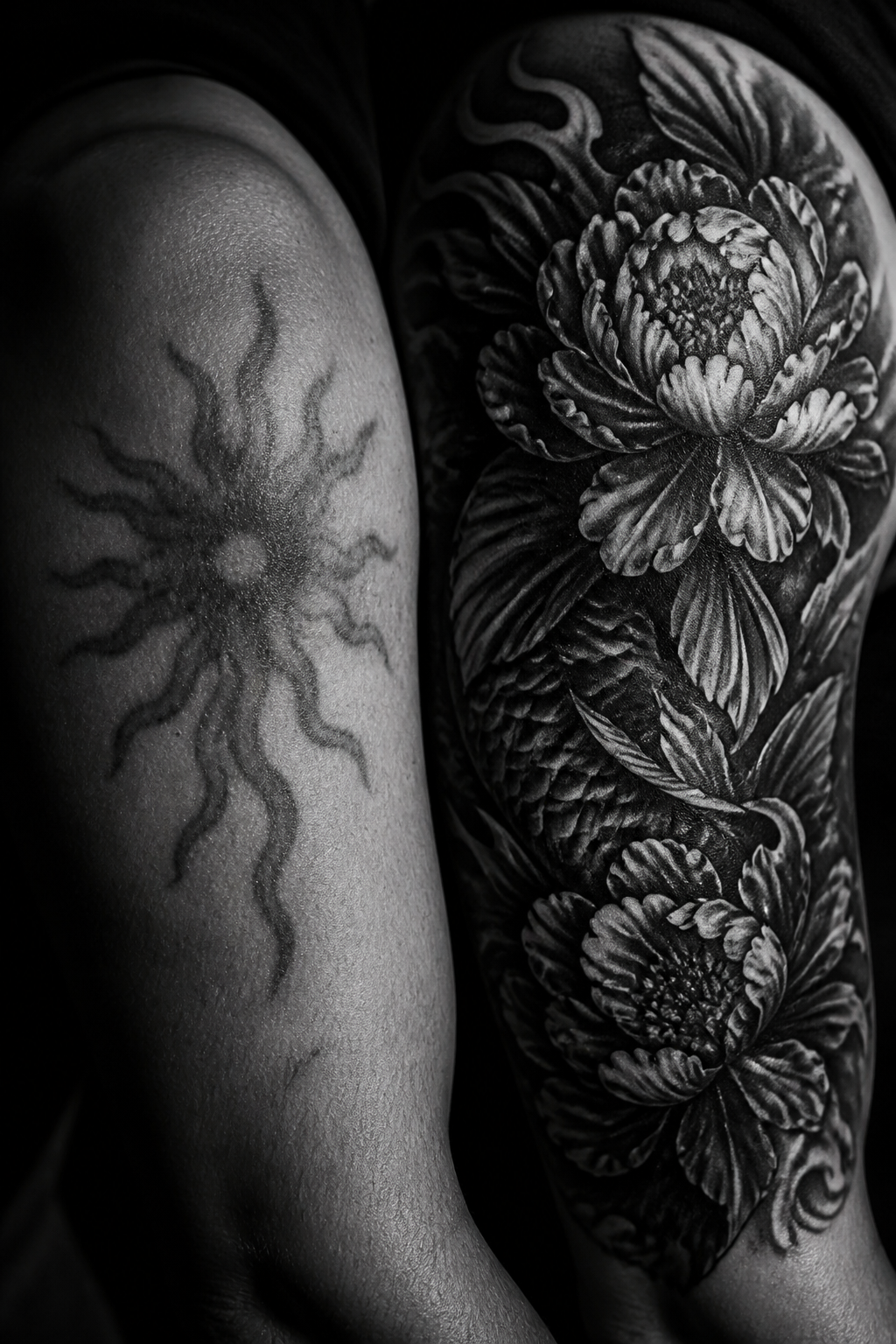
A successful tattoo cover-up is less about hiding a mistake and more about strategic redirection. Unlike a fresh piece on clean skin, a cover-up must contend with existing pigment already trapped in the dermis. The new design doesn't simply sit on top; the inks blend together, meaning the dark tones of the old piece will influence the final outcome of the new one. Understanding this interaction is the first step toward a successful transformation.
Design strategy is the most critical element of the process. Artists often use complex textures, deep shading, and organic shapes to distract the eye from the old lines beneath. Cool colors like blues, purples, and deep greens are generally more effective at maskng old black ink than warmer tones. A well-placed highlight or a busy pattern can effectively break up the recognizable silhouette of the original work, making it virtually invisible.
Limitations are a reality in this specialized field. You cannot always put a small, dainty piece over a large, dark tribal design. Usually, the new tattoo needs to be at least two to three times larger than the original to allow for proper flow and integration. If the old ink is too dark or raised, a reputable artist might suggest a few sessions of laser fading first to lighten the area and expand your design options.
Choosing the right artist is the final piece of the puzzle. Not every talented illustrator is skilled in the specific physics of concealment. Look for portfolios that showcase 'before and after' photos specifically for this type of work. A specialist will know how to utilize the existing shapes to their advantage, ensuring your new ink looks like an intentional masterpiece rather than a muddy patch of regret.