Mastering the Art of the Tattoo Cover-Up
13 days ago
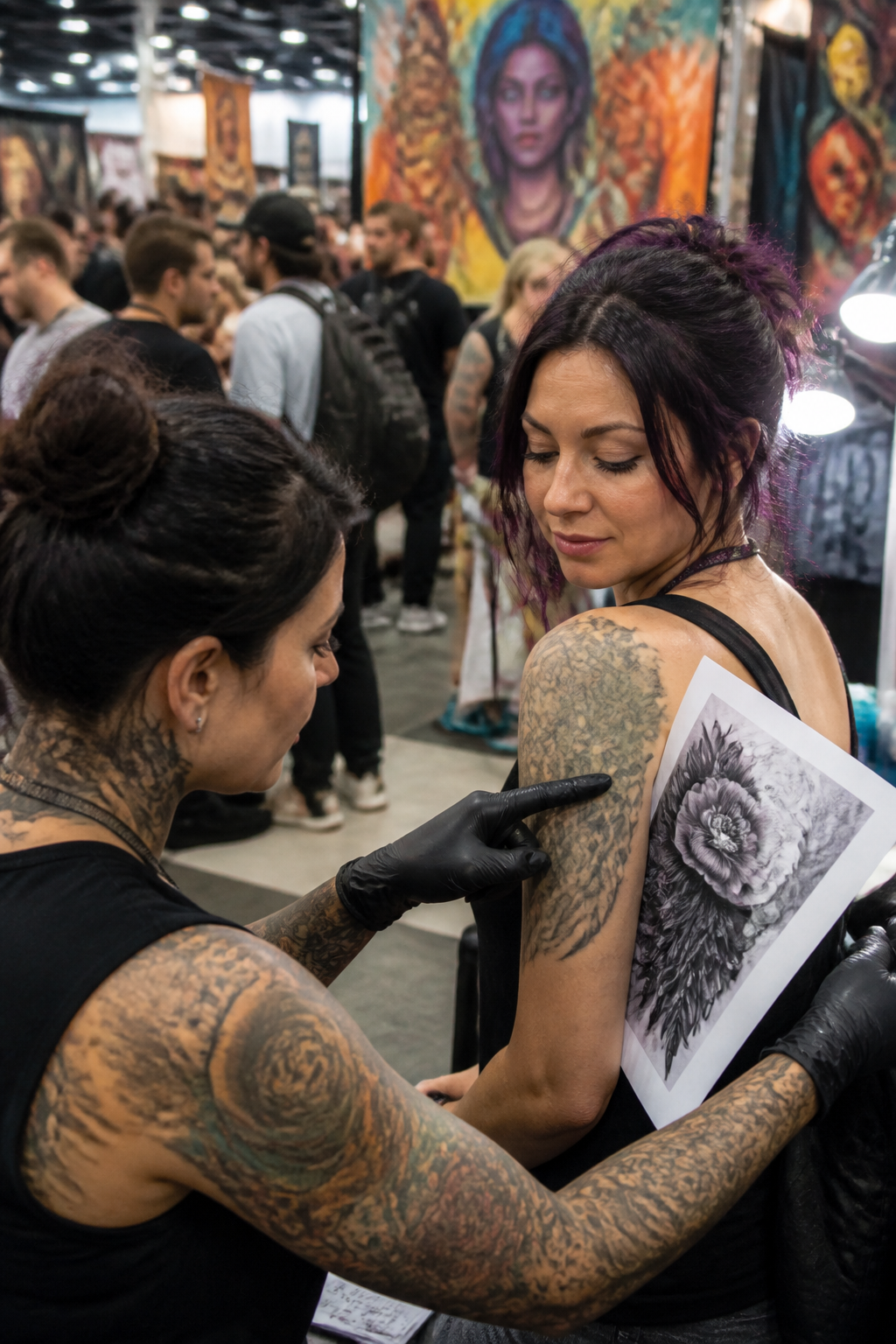
A successful tattoo cover-up is not as simple as painting over a wall. Because tattoo ink is translucent, the new pigment sits in the same layer of skin as the old design, meaning the two colors eventually blend. To avoid a murky result, artists must use strategic placement, darker values, and dense textures to camouflage the original art effectively.
Design strategy is the most critical element of the process. Rather than trying to hide an old piece with a giant black box, skilled artists use organic shapes and busy patterns to draw the eye away from the underlying lines. Flowing florals, detailed bio-mechanical textures, or heavy traditional styles are often the best choices for masking high-contrast black ink.
Not every old piece is an immediate candidate for a fresh start. If the existing tattoo is heavily scarred, raised, or exceptionally dark, your artist might recommend a few sessions of laser removal first. Lightening the old pigment, known as 'laser fading,' significantly expands your options for the new design, allowing for lighter colors and more negative space.
Choosing the right artist for a tattoo cover-up requires looking for a specific portfolio. You want to see 'before and after' photos that show healed results, not just fresh work. A specialist understands how to work with skin that has already been traumatized and knows exactly how much pressure to apply to ensure the new ink settles permanently without further scarring.
Communication and flexibility are vital during the consultation phase. You may have your heart set on a specific image, but the old tattoo's placement and density might dictate a different direction. Trusting a professional to adjust the scale or color palette of your new piece ensures that the final result looks like a deliberate work of art rather than an obvious patch-up job.