Mastering the Art of the Tattoo Cover-Up
19 days ago
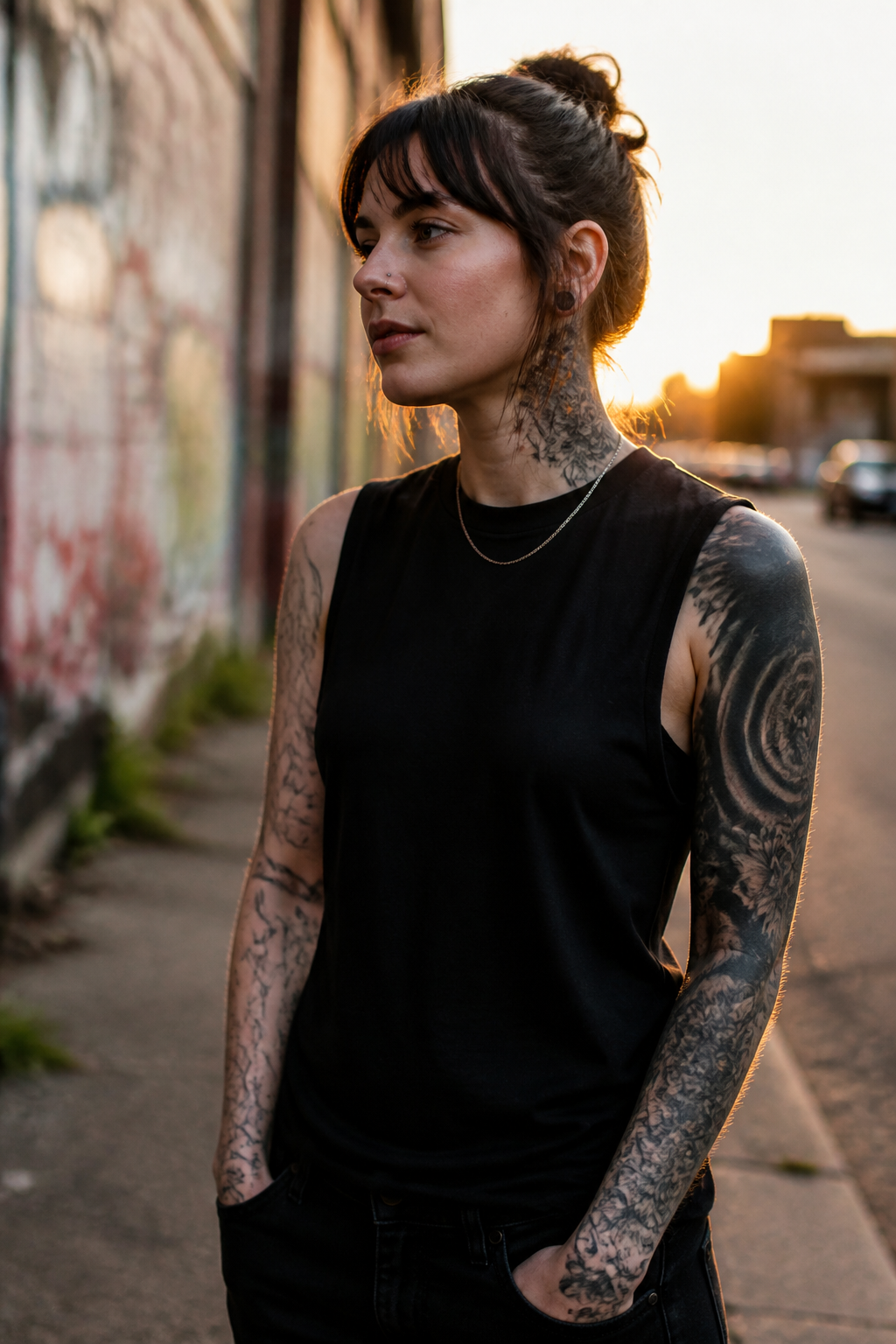
A successful tattoo cover-up is more about strategic redirection than simply painting over an old mistake. Unlike a fresh canvas, the skin already holds pigment, meaning the new design must interact with what is underneath. Darker tones, heavy saturation, and strategic placement of details are the primary tools used to camouflage old lines and shapes effectively.
Not every design is suitable for a transformation. Most artists will recommend bold styles like American Traditional or deep illustrative work because they utilize heavy shading. You cannot simply put light yellow over black ink; the new pigment must be darker and denser than the old one to ensure the previous image doesn't 'ghost' through the skin as it heals.
In some cases, the original ink is too dark or raised to be hidden immediately. This is where a laser fade becomes essential. A few sessions of laser removal can lighten the old piece just enough to open up a wider range of design possibilities. This prevents the final result from looking like a giant, muddy blob of ink and allows for more creative freedom.
Strategic composition is the secret weapon of the cover-up specialist. By placing high-contrast areas and intricate textures directly over the darkest parts of the old tattoo, the artist can trick the eye. The viewer’s gaze is drawn to the new, vibrant focal points rather than the remnants of the previous work hidden in the shadows.
Choosing the right artist is the most critical step in this process. Look for portfolios that specifically showcase 'before and after' photos of their work. A specialist understands the chemistry of how inks layer and can provide an honest assessment of what is possible, ensuring you walk away with a piece you are proud to display.