Mastering the Art of the Tattoo cover-up
2 months ago
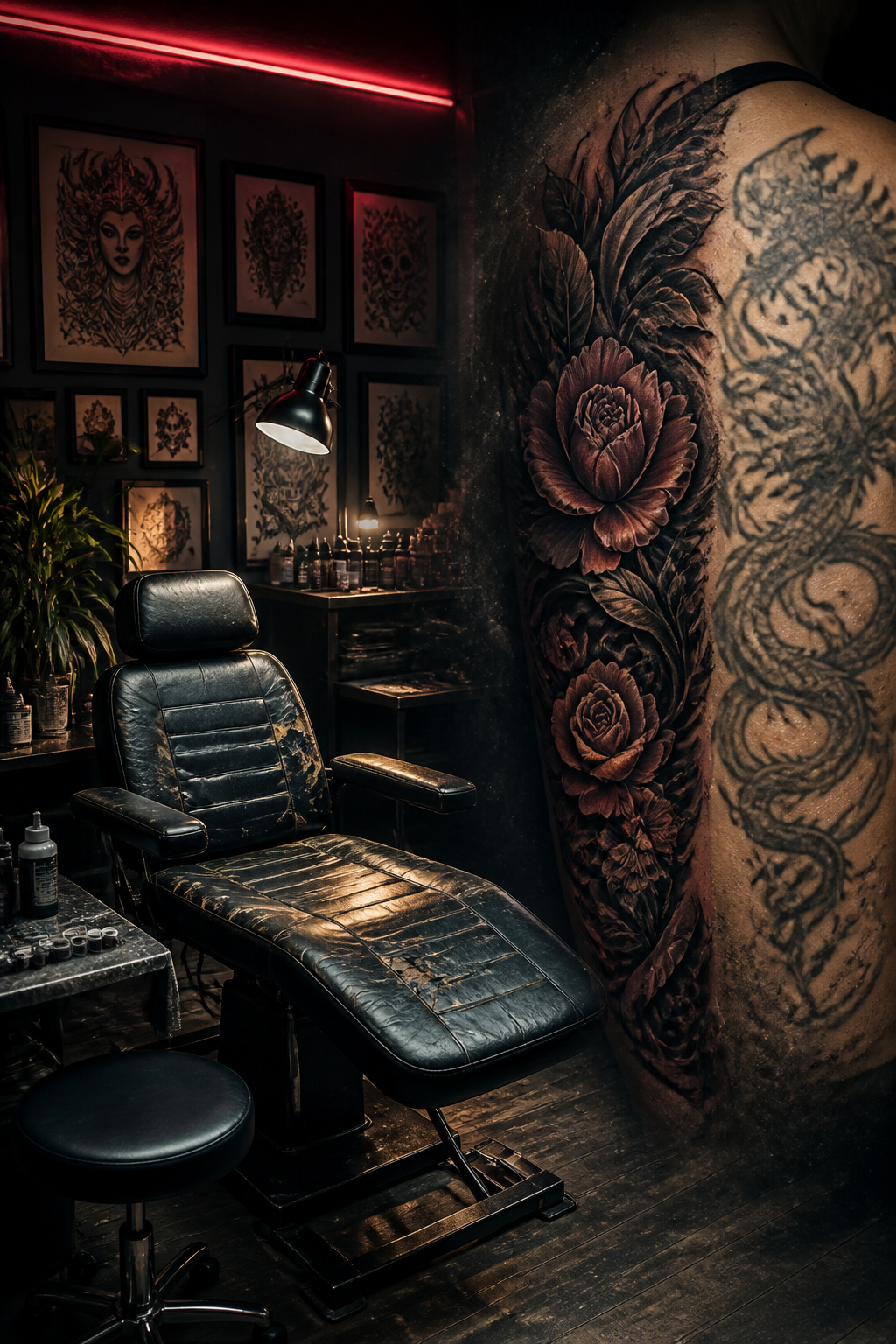
A successful Tattoo cover-up is not just a simple case of painting over an old mistake. It is a complex game of color theory and visual deception. To hide old ink effectively, an artist must understand how new pigments interact with those already trapped beneath the dermis. Since tattoo ink is translucent, you cannot simply put white over black; instead, you must use darker tones and busy textures to mask the existing lines.
Design strategy is the most critical element of the process. Large, saturated shapes and intricate details like scales, feathers, or floral patterns are often used to break up the silhouette of the old piece. A skilled artist will place the darkest parts of the new design directly over the heaviest areas of the old ink, using highlights and open space in the 'clean' areas of the skin to draw the eye away from the camouflage.
Sometimes, the original piece is too dark or dense to be hidden immediately. In these cases, a few sessions of laser fading are highly recommended. You don't necessarily need full removal, but lightening the old pigments significantly expands the possibilities for your new design. This 'pre-fading' allows for more vibrant colors and prevents the old tattoo from 'bleeding' through the new work as it heals.
Not every tattooist is equipped for this specific challenge. Choosing the right artist for a Tattoo cover-up requires looking for a portfolio that showcases 'before and after' shots of successful transformations. You need someone who understands the structural limitations of the skin and isn't afraid to be honest about what will and will not work.
Communication during the consultation is vital. Be prepared to be flexible with your vision, as the existing ink dictates much of the new layout. A professional will guide you toward a design that ensures the old piece stays hidden for a lifetime, rather than just a few months. With the right approach, what was once a source of regret can become a masterpiece.