Mastering the Art of the Tattoo Cover-up
2 months ago
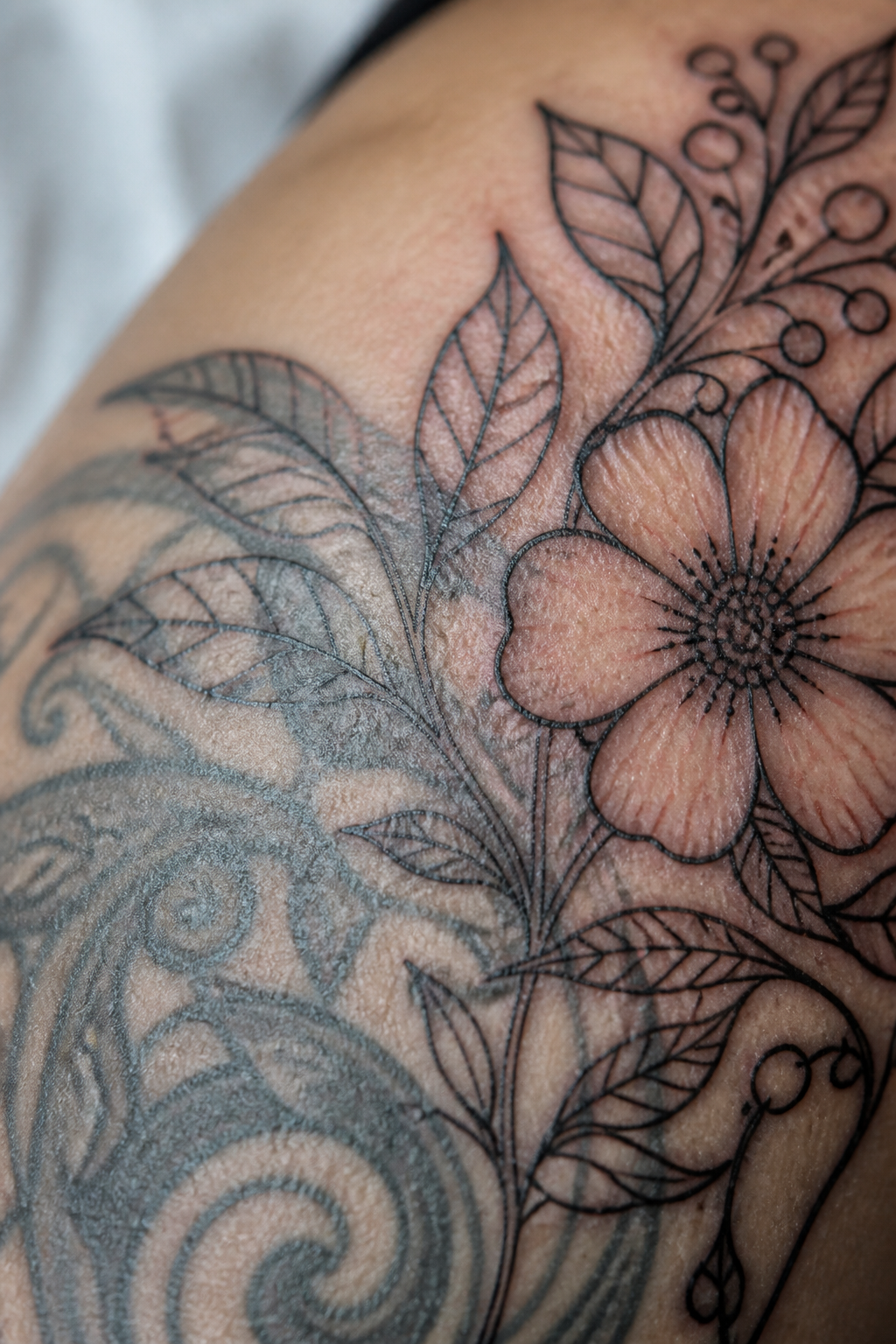
A tattoo cover-up is not a simple eraser tool; it is a complex game of color theory and strategic camouflage. To successfully hide old ink, your artist must work with the existing pigment rather than simply painting over it. Darker tones, heavy saturation, and strategic placement of new details are essential to ensure the old design doesn't 'ghost' through the new work as it heals.
Design strategy is the most critical component of a successful transformation. You cannot always replace a small, dark tattoo with a light, airy watercolor piece. The new design typically needs to be significantly larger and denser than the original. Using organic textures, deep shadows, and complex patterns helps to break up the recognizable lines of the former piece, tricking the eye into seeing a fresh composition.
Sometimes, the original ink is too dark or too scarred for a direct overlay. This is where a laser fade becomes a valuable tool. A few sessions of laser removal can lighten the old pigment enough to expand your design options significantly. Fading the old work allows for a broader color palette and prevents the final result from looking like a giant, muddy blob of dark ink.
Choosing the right artist for this specific task is paramount. Not every talented illustrator is skilled at the technical nuances of a tattoo cover-up. You need a specialist who understands how different pigments interact and how skin layers hold multiple applications of ink. Always ask to see 'healed' cover-up photos in their portfolio to ensure the old design stayed hidden over time.
Ultimately, patience is your best asset when refreshing your skin. A successful cover-up might require multiple passes to achieve total opacity and perfect blending. By respecting the limitations of the medium and working with an expert, you can turn a past regret into a stunning piece of custom art that looks intentional rather than accidental.