Mastering the Art of the Tattoo Cover-up
2 months ago
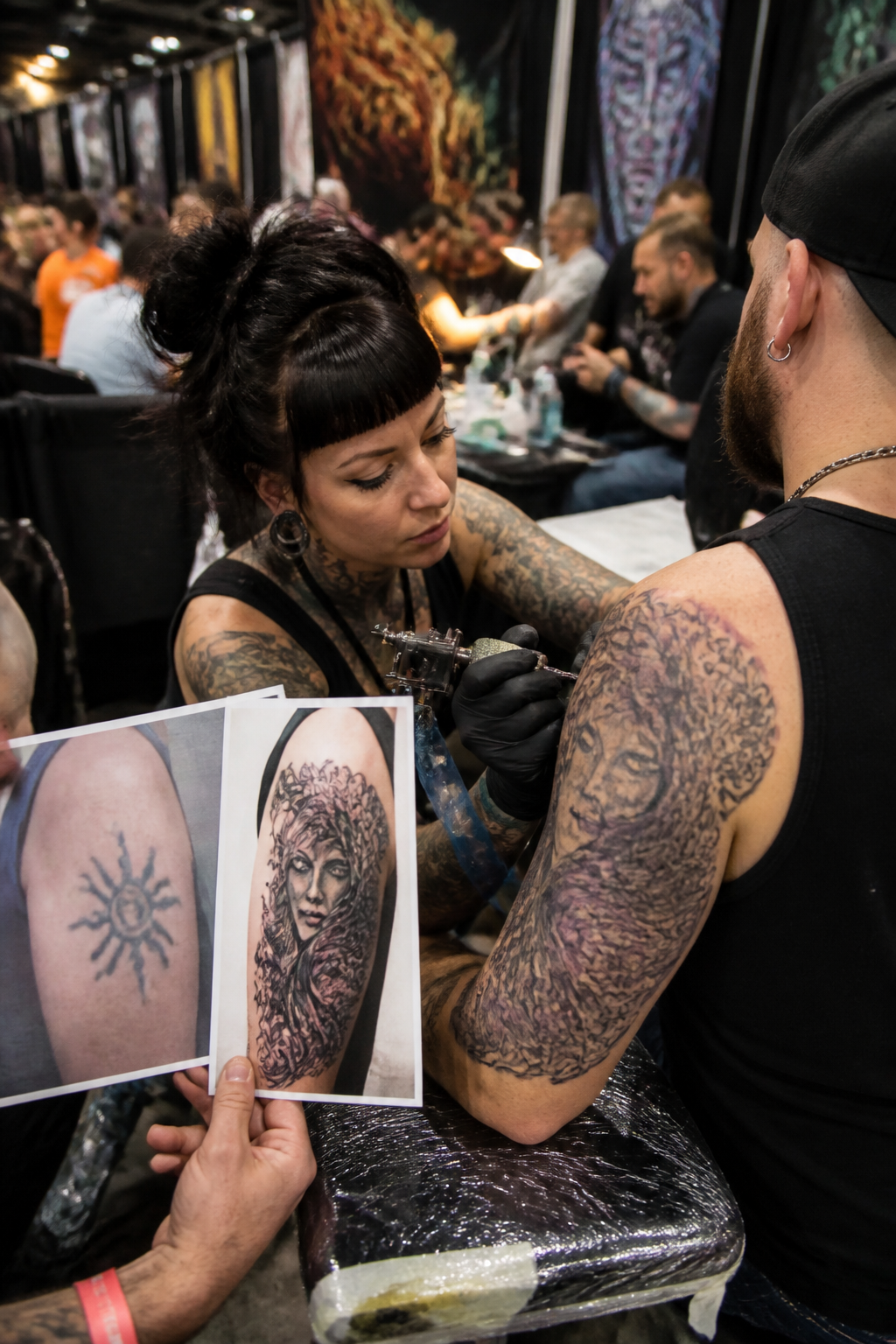
A successful tattoo cover-up is less about erasing the past and more about the art of distraction. Unlike a fresh canvas, a cover-up requires an artist to work with existing pigments and scar tissue. The goal is to draw the eye away from the old lines using clever composition, high-contrast textures, and strategic color placement.
Design strategy is everything when hiding an old piece. Darker tones and busy patterns—like deep florals or heavy traditional motifs—are often required to mask the saturated ink underneath. A skilled artist will use the busiest parts of the new design to overlap the darkest areas of the old one, ensuring the previous image doesn't 'ghost' through the new work over time.
Not every old tattoo is an immediate candidate for a fresh layer. If your existing ink is particularly dark, thick, or raised, your artist might recommend a few sessions of laser fading first. Lightening the old pigment provides more flexibility for the new design, allowing for lighter colors and more open space rather than being forced into a solid black block.
Choosing the right artist for a tattoo cover-up is a different process than picking one for a standard piece. You need someone with a portfolio specifically showcasing 'before and after' transitions. This niche requires a deep understanding of color theory and how different ink brands interact with faded pigments settled in the dermis.
Patience is your best asset during a transformation. A cover-up often takes longer than a standard tattoo and may require multiple passes to ensure total opacity. By trusting the technical limitations and following a professional design strategy, you can turn a source of regret into a centerpiece you are proud to display.