Mastering the Art: How a Quality Tattoo Cover-Up Really Works
9 days ago
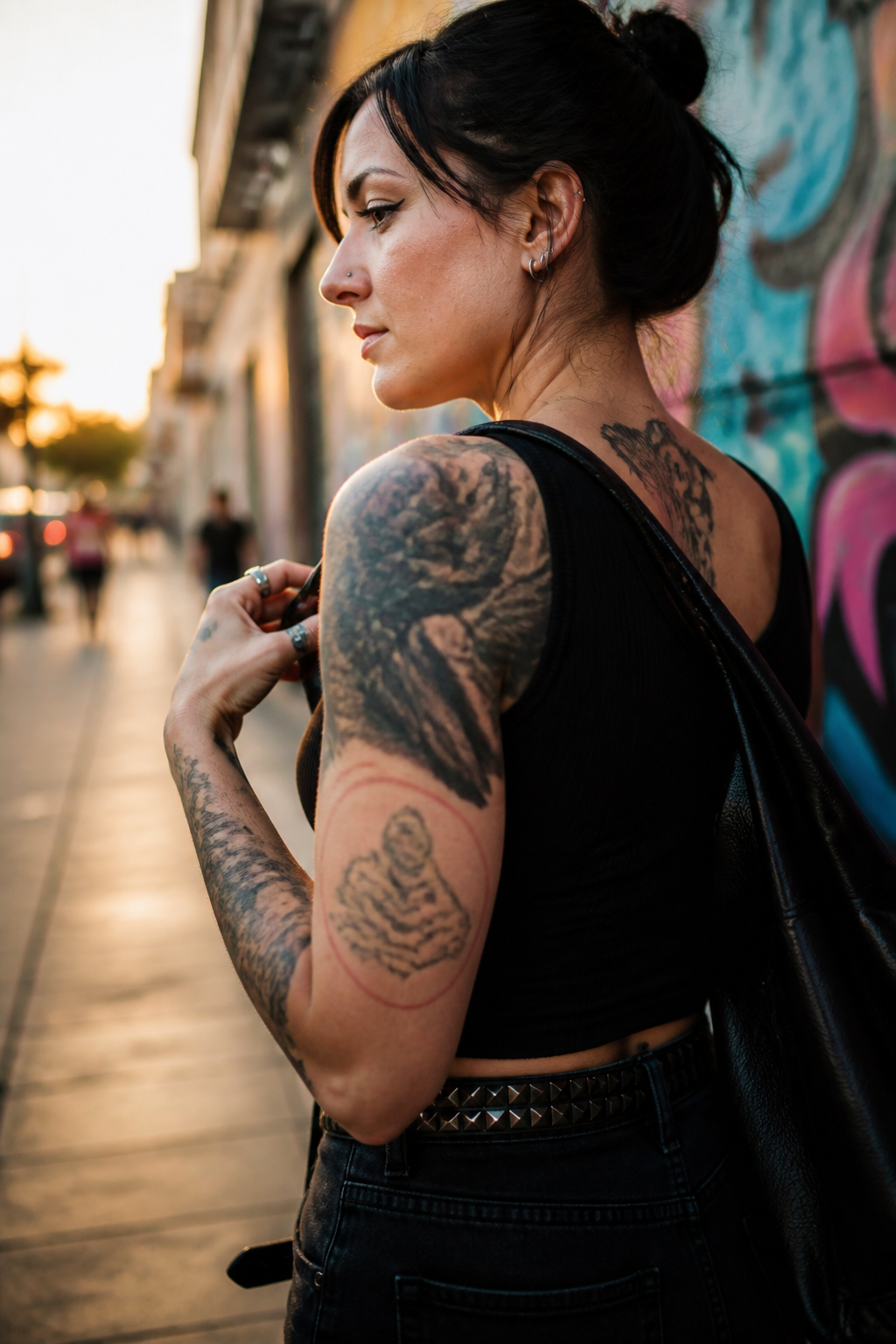
A successful tattoo cover-up is less about hiding a mistake and more about strategic visual deception. Unlike a blank canvas, the existing ink remains in the dermis, meaning the new design must work with the old pigment rather than just sitting on top of it. Darker blues and blacks in an old piece often dictate the palette of the new art, as light colors like yellow or white cannot effectively mask dark saturation.
Design strategy is the most critical element of the process. Artists often use complex textures, such as organic floral patterns or mechanical details, to break up the recognizable silhouette of the old tattoo. By placing the focal point of the new design on a clean area of skin and using the old tattoo as deep background shading, the artist can draw the eye away from the original lines.
In many cases, a tattoo cover-up requires a few sessions of laser treatment before the new ink is applied. Fading the original piece opens up a wider range of possibilities, allowing for lighter colors and more open space in the new design. Even two or three sessions can significantly reduce the 'ghosting' effect where the old lines might eventually peek through the new art.
Choosing the right artist is vital because cover-up work is a specialized skill set. It requires a deep understanding of color theory and spatial awareness that differs from standard tattooing. You need a professional who can honestly assess your existing ink and tell you what is realistic, rather than promising a result that will look muddy in a year.
Patience is the final ingredient for a flawless result. Cover-ups often require more saturation and larger dimensions than the original piece to ensure total integration. By trusting the process and allowing for the necessary scale, you can transform a source of regret into a centerpiece of your collection that looks intentional and vibrant.