
Mastering Forearm Flow: The Ultimate Tattoo Placement Guide
2 months ago
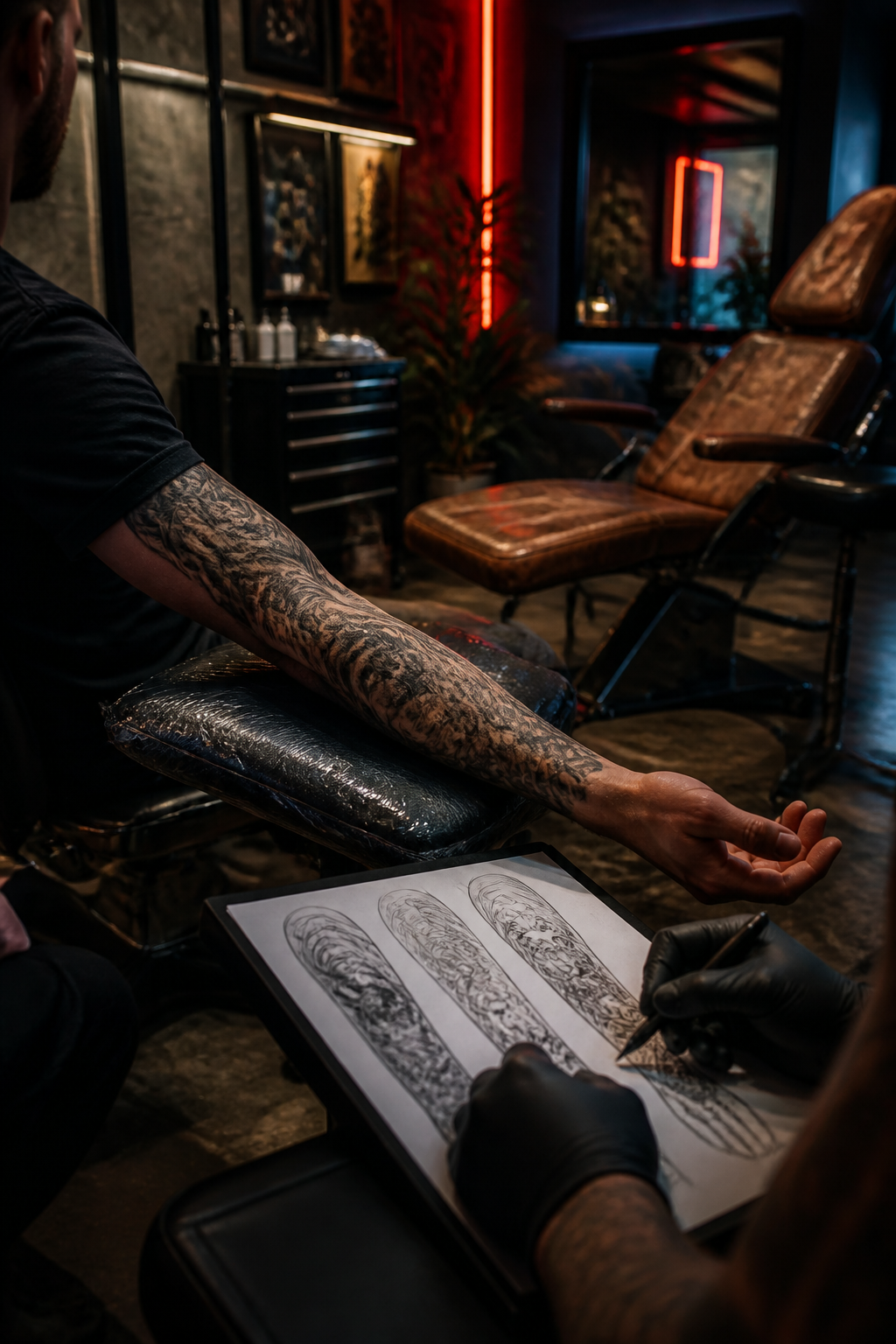
The forearm is widely considered the prime real estate of the ink world. When considering tattoo placement, this area offers a perfect balance of visibility and space. It is one of the least painful spots to get tattooed, as the skin is generally thick with a decent amount of muscle and fat underneath to cushion the needle's vibration. This makes it an ideal choice for both newcomers and seasoned collectors.
Designing for this area requires a keen eye for body curves. The forearm is not a flat plane; it is a tapered cylinder that twists as you move your wrist. Successful designs utilize 'flow' to ensure the artwork doesn't look distorted when your arm is at rest versus when it is extended. Professional artists often wrap elements of the design to follow the natural musculature, creating a dynamic look that moves with the body.
In terms of aging, the forearm holds up remarkably well compared to high-friction areas like fingers or feet. Because the skin here is relatively stable and doesn't stretch significantly with weight fluctuations, your lines are likely to stay crisp for years. However, because this tattoo placement is frequently exposed to the sun, diligent use of sunscreen is non-negotiable to prevent premature fading and blurring of the pigment.
Whether you are opting for an inner-arm piece that stays private until you turn your palm up, or an outer-arm statement that faces the world, the forearm offers unparalleled versatility. It allows for vertical compositions that can easily be expanded into a full sleeve later. By prioritizing flow and sun protection, a forearm piece can remain a sharp, high-contrast focal point of your collection for decades.