
Masculine Vanguards: Choosing the Right Tattoos for men
17 days ago
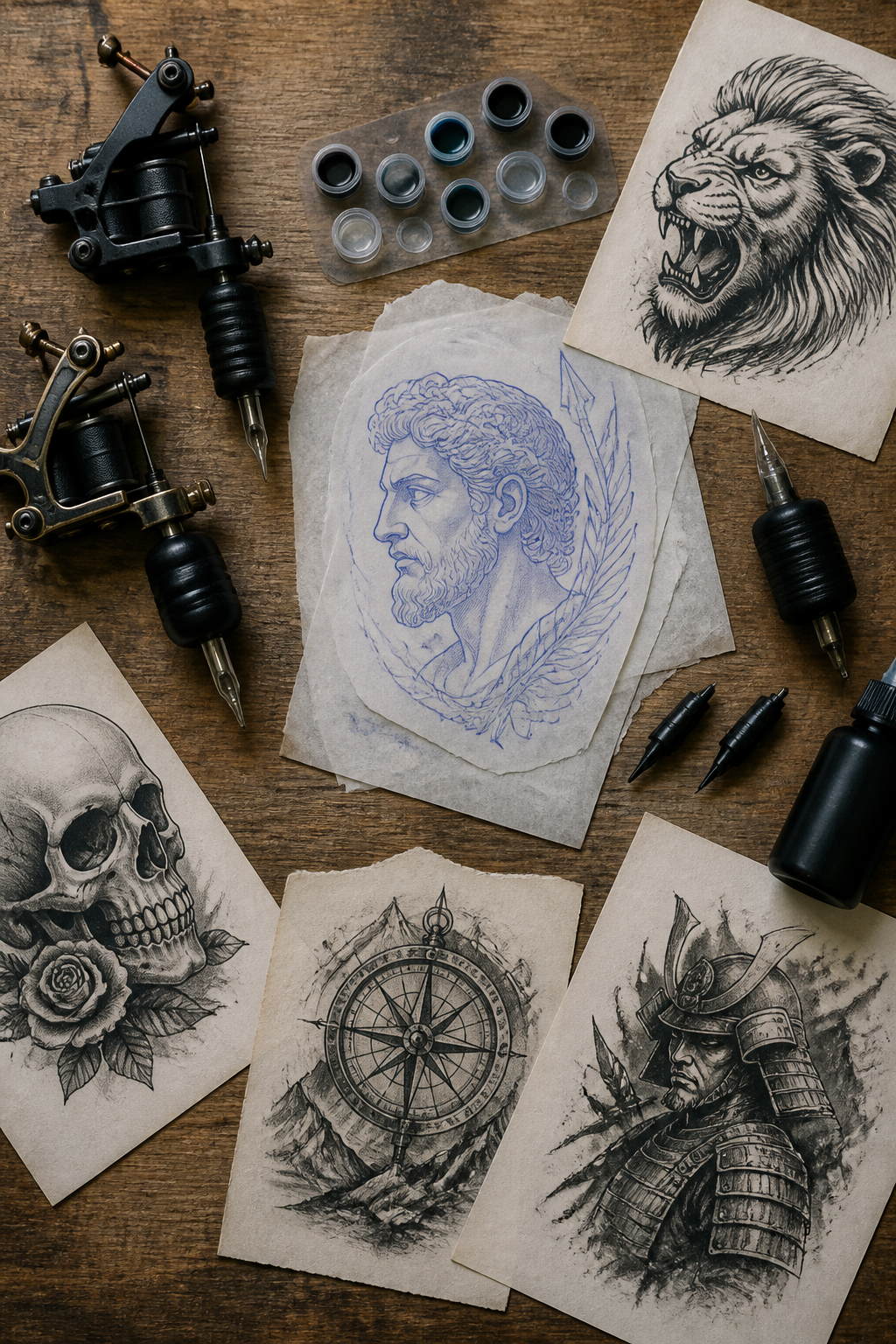
Selecting the right tattoos for men requires a deep understanding of how ink interacts with the natural contours of the body. For those seeking maximum impact, the full sleeve remains the gold standard of composition. Whether you opt for the vibrant saturated colors of neo-traditional art or the heavy contrast of bold blackwork, the key is ensuring the design wraps around the musculature rather than fighting against it. A well-planned sleeve tells a cohesive visual story from the shoulder down to the wrist.
Chest pieces offer a broader canvas for symmetrical power and detailed storytelling. Large-scale work in this area often utilizes Japanese irezumi techniques, where flow and movement are prioritized to accentuate the pectoral and collarbone structure. Because the chest is a high-sensitivity zone, it is essential to prepare for a longer sitting. The skin here is thinner than the arms, meaning the healing process requires diligent care to maintain the crispness of fine lines and deep shading.
For those who prefer a more aggressive aesthetic, blackwork is a dominant choice in modern masculine styling. This style relies on large fields of solid black ink and negative space to create high-contrast imagery. It is particularly effective for those with athletic builds, as the geometric breaks can highlight muscle definition. Unlike more delicate styles, blackwork is incredibly durable and ages exceptionally well, maintaining its legibility for decades.
Placement significantly dictates the pain level and long-term satisfaction of your piece. Areas like the outer arm and thigh are generally more manageable for newcomers, while the ribs and inner bicep demand more physical endurance. Understanding your own pain threshold is a vital step in planning a large-scale project. Always discuss your body type with your artist, as certain designs may need to be scaled up or down to ensure they don't look distorted when you are in motion.
Healing a large piece is just as important as the tattooing process itself. Proper hydration and specific ointments are required to ensure the skin recovers without losing pigment saturation. During the first two weeks, avoiding direct sunlight and heavy friction is crucial. A disciplined approach to aftercare ensures that the bold blacks and vibrant hues of your new work remain as striking as the day you left the studio chair.