
Mapping the Thigh: A Comprehensive Guide to Optimal Tattoo Placement
14 days ago
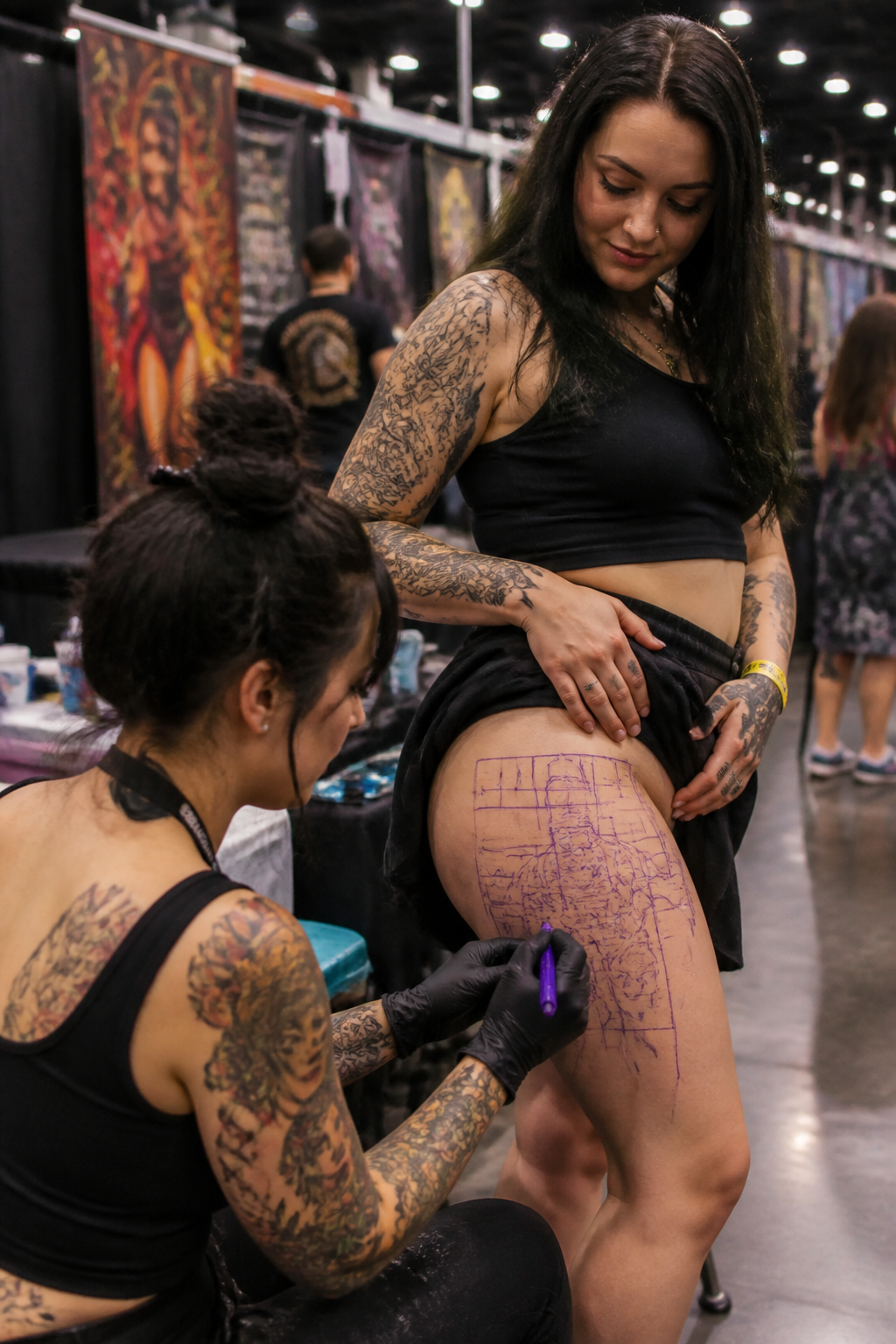
The thigh has emerged as one of the most versatile regions for large-scale ink, acting as a broad, flat canvas that accommodates intricate detail. As a tattoo placement, the thigh is uniquely forgiving, providing enough surface area for sprawling compositions without the extreme discomfort associated with bony areas like the ribs or shins. It allows for both private pieces that stay hidden under clothing and bold, public displays when wearing summer attire.
Designing for the thigh requires a keen understanding of the body's natural contours. Because the leg is essentially a cylinder, artists must wrap designs to ensure they don't look warped when you stand up or sit down. Vertical compositions often work best here, following the line of the femur to elongate the appearance of the leg. Flowing elements that wrap slightly toward the outer hip can enhance the natural musculature and provide a dynamic sense of movement.
In terms of the pain scale, the outer thigh is generally considered one of the least painful areas to get tattooed. The presence of muscle and fat provides a significant cushion against the needle. However, it is important to note that the sensitivity increases dramatically as the tattoo placement moves toward the inner thigh or the back of the leg near the knee, where the skin is thinner and the nerve endings are more concentrated.
Longevity is a major selling point for this location. Unlike the hands or feet, which face constant friction and sun exposure, the thigh is frequently protected by clothing. This protection helps the ink retain its saturation and prevents the fine lines from blurring prematurely. As long as you maintain a steady moisturizing routine, a piece in this location will likely look crisp for decades.
When planning your session, consider how your wardrobe affects the healing process. Tight denim can irritate a fresh thigh tattoo, so loose-fitting shorts or skirts are recommended for the first two weeks. Because this area is prone to swelling, keeping the leg elevated immediately after the appointment can help the initial recovery phase go much smoother.
Ultimately, choosing the thigh as your tattoo placement offers the freedom to go big. Whether you are aiming for a traditional black-and-grey illustrative piece or a vibrant neo-traditional scene, the generous space allows for depth and storytelling that smaller anatomical locations simply cannot support. It is a strategic choice for both first-timers and seasoned collectors looking to expand their body art portfolio.